English
 Español
 Français
 Deutsch
 Italiano
 Português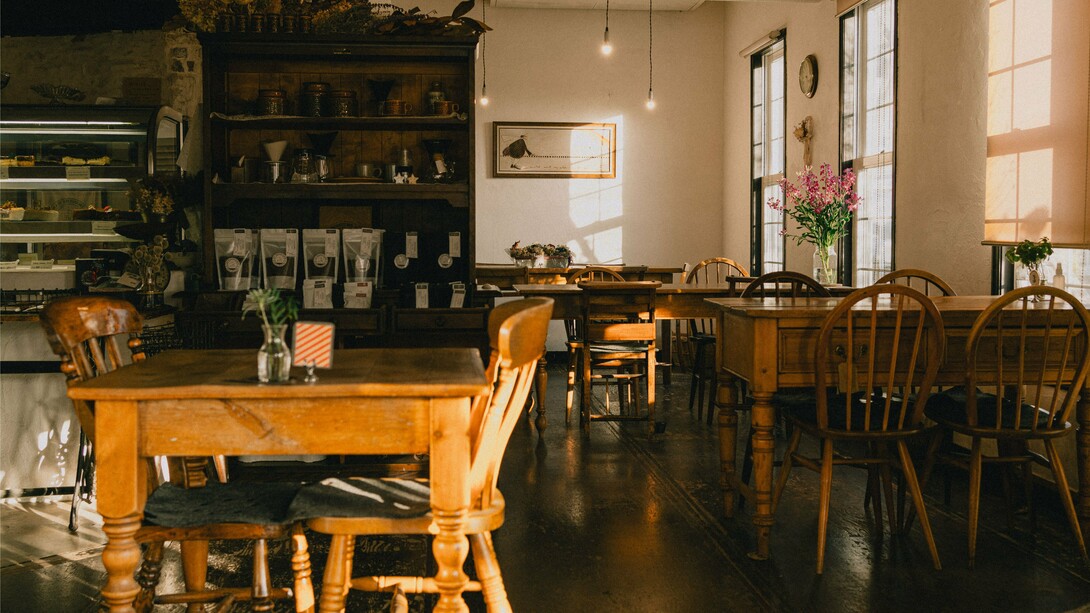
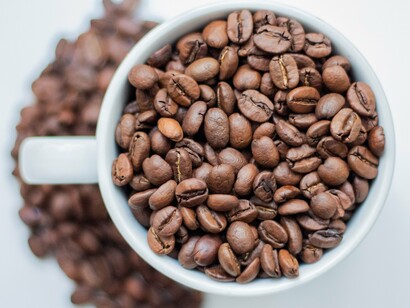
Coffee, ever so international and beloved, has travelled its fair share of the world, spreading far and wide, to be enjoyed by all kinds of nations, cultures and classes. While some had the opportunity to come across coffee earlier than others and expand its varieties, processing and serving styles, they all still impacted the coffee culture we have today.
One of the most famous coffee connoisseurs is Japan, with its meticulous drip coffee methods and techniques, canned coffee, and the concept of Kissaten – traditional Japanese cafes. These multitudes are what catapulted Japan’s credibility in the coffee industry, despite their “late start” in both coffee consumption and creation. In this article, we will look into Japan’s café history, map out its roots and evolution, and learn a little about what goes on beyond the surface.
Coffee bean genesis
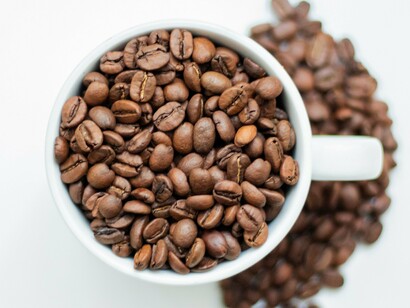
昔々~[mukashimukashi], or the Japanese tales’ equivalent of 'Once upon a time', coffee, and by extension coffee shops, were a foreign concept to Japan. Sure, we’ve seen beautiful teahouses and enchanting tea ceremonies that hail from the early appearance of Buddhism, as well as their Zen perfection over time, yet when it comes to coffee, we find it first arriving to port Dejima, Nagasaki, around the end of the Edo period as a commodity foreign diplomats and interpreters at the Dutch trading post drank.
The first recorded Japanese person to drink coffee, a samurai named Ota, had been offered the beverage on a “Kōmō ship” [red hair ship, pertaining to the fair colors of the Dutch sailors], describing it as a process of roasted beans, ground into powder and served with sugar – “an unbearable and burnt taste”. Still, the beverage spread as all trends tend to: through the elite class. Courtesans, and the Shogun, Tokugawa Yoshinobu himself, all found this bitter, new brown drink to be quite the novelty, quickly winning the high class’ favour, cementing its place in the country.
The first actual coffee shop in Japan is said to have been Kahichakan – a Meiji-era space located in Ueno, Tokyo, where entertainment and coffee collided. A commodity at the time, it offered an array of activities, from billiards to books and international newspapers, providing the affluent customers with a space where they could not only absorb knowledge but also engage in cultural exchange, all over a steaming cup of coffee.
A sign of the times – the first cafés
After Kahichakan closed in 1892, Japan witnessed a new wave crashing over the Ginza district of Tokyo – several restaurants, self-dubbed “Cafés”, emerged soon after; the 1910s featured Cafés such as Café Printemps, a members-only café, Café Paulista, for the ordinary people, and Café Lion, a maid Café.
Printemps was a social hub for the intellectual elite of the time – artists and journalists, all gathered in Japanese-style rooms, the members-only function of the establishment depending on these patrons to stay afloat.
Café Paulista, named after the term “São Paulo native,” carried Latin American notes; its owner, Ryu Mizuno, a known contributor to the Japanese emigration to Brazil, offered a more affordable alternative to the previously mentioned Printemps, earning itself the title of “a café anybody could enjoy”. This café later expanded in both northern and southern Japan, effectively becoming one of Japan’s first café chains.
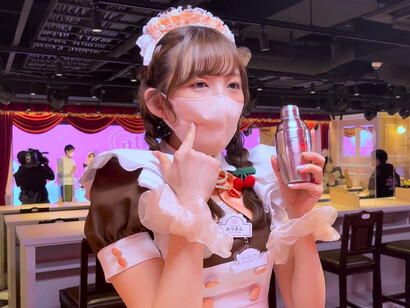
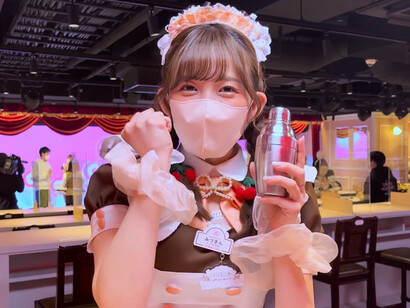
Café Lion, in turn, was more orientated towards Western food and drinks, resembling more a bar rather than a café – its most prominent feature was the service by female waitresses in uniforms, sometimes offering socialisation alongside orders, starting the journey of maid cafés as we know them today.
Going old school with Kissaten
This particular kind of coffee shop came to be in the early 20th century, in an effort to separate the coffee shop experience from the cafés of the time. Kissaten were, unlike their café mutuals, more peaceful and coffee-centred; cafés were a bustling social hub, often serving alcohol. The Kissaten experience reached its popularity peak around the 1920s, taking after European salons where the intellectual elite could gather and exchange ideals and thoughts, fostering a calm, studious environment, much like the previously mentioned Printemps. The Japanese kissaten owners favoured this archetype, as it played well to Japanese elements like discretion and a peaceful atmosphere.
Kissaten are often visited in urban areas around breakfast, pairing a cup of coffee or tea with a light breakfast of toast, eggs, and bacon or ham, among other such options, varying on the location. There are different kinds of Kissa, much like with thematic cafés, varying between traditional Showa-era style, jazz kissaten, and manga or video game kissaten, to name a few.
Jazz kissaten are particularly popular – they are coffee shops dedicated specifically to listening to and appreciating jazz music, not as mere background music but rather as the main event. They are usually equipped with high quality stereo systems and a large selection of records/CDs. Their popularity fluctuated throughout the years; as before WWII, there was a decent amount of jazz kissa, most of which ended up closing during the war, only for them to make a strong comeback in later years, unlike ever before.
Still, with the popularisation and accessibility of stereo systems to the individual in the 1970s, jazz kissaten once again depleted in numbers, with those remaining lingering due to nostalgia. Needless to say, this type of kissaten greatly influenced the reception and circulation of jazz music in Japan, which is notorious for taking jazz onto the next level, immortalising Japanese jazz as a unique subgenre on the world stage.
Maid & cosplay cafés
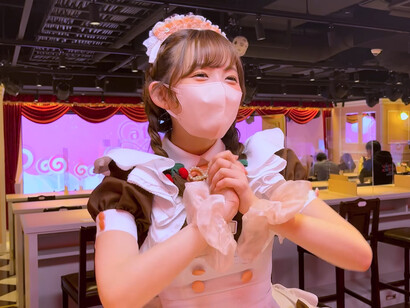
As we saw in the predecessor Lion and Tiger Cafés, this subtype is perhaps the one that withstood the test of both popularity and time the most. Originating in Akihabara, Tokyo’s tech, video game, and otaku culture hub, it established the now world-famous coffee shop that featured waitresses in costumes, mimicking conditions of maids, butlers and other such roles meant to care for their masters and mistresses – their customers.
As popularity increased, so did competition, and soon enough the cafés started employing more elaborate tactics and entertainment bits to enhance their patrons' experience, all in an effort to stand out from their competitors. Offering food, drink and activities in which both waiter and customer participate, such as jokes, skits, choreographies, karaoke and board games, to name a few, they continued to develop the maid café industry into the vibrant and full-of-variety hub we see today.
These maid/cosplay cafés’ purpose was somewhat meant to serve as an intimacy crutch for the post-1990s Japanese economic crash; at this time, Japanese society started to reintroduce certain concepts, and individualism and intimacy had started developing a closer connection. Here, the opportunity to monetise the struggle of forming interpersonal relationships came into play – social groups that had such issues could find solace in these kinds of spaces.
Themes often rooted in manga and anime further aided the fantasy, giving these connections a more immersive feel. Ultimately, while these establishments do harbour suggestive connotations, they do not provide sexual services. An interesting example of the PR such cafés had was the rivalry between Café Lion, which prided itself on having “well-behaved female waitresses,” and Café Tiger’s selling point, which had been “beautiful waitresses and intense service,” with drinks and food coming second. With such a predecessor, one can slowly begin to understand the evolution of the ever-so-vibrant and extensive options we have today.
Café etiquette
Jazz kissaten are known for their low lighting, quality sound and music, and often antique furniture. Featuring an array of CDs and records, they are centered around listening to and focusing on the music. The staff, which usually consists of one person, doubles as both service and music operator. They serve drinks and food, and tend to the music selection and continuity; requests are seldom accepted from patrons. These operators are notorious for their expertise on the genre, and one may even go as far as being seen as a reliable source by jazz critics, being seen as a master of the craft.
Furthermore, jazz kissaten are also known for enforcing rules on their patrons, unlike their more lax café counterparts. These establishments can request the customers to enjoy the music in silence – socialising is not the main focus in this domain. Drinks, often including both coffee and alcohol, cost more than they would in other establishments in order to ensure financial viability while retaining a small number of patrons at a time, but at least there is no time limit for your stay, as is customary in other types of cafés.
Customers may also be subject to limitations in the number of group members; they might be asked to visit alone, or in pairs, but rarely in larger groups. These establishments became a safe haven for jazz music to evolve into an appreciated art form as high as classical music. It is thanks to these spaces and their rules that the development and popularity of many subgenres have come so far today.
In the case of maid cafés, rules are somewhat different. Since they are more focused on providing an experience that relies on human interaction, there are often (catch)phrases that enhance the experience (such as welcoming the master/customer “home”). As previously mentioned, they offer a variety of activities the maids may perform or the customer and waiter may do together, encouraging a bonding experience that may lead to the customers becoming regulars. Unlike jazz kissaten, these cafés usually have either fixed time slots or hourly charges on top of any refreshments or food that may be ordered.
Services include dance, song, games and interactive performance, and therefore you can often find a stage in these cafés where the maids can perform their numbers and take pictures with the patrons. Spaces decorated in accordance with the type of café often feature cute furniture and decorations, pastel tones and classy details. Music and interior design may vary, but much like the food and drink presentation, it tends to be in endearing, cute patterns and designs.
Another important aspect of these cafés is the ground rules. Many cafés offer and explain the rules upon entry – the usual, non-negotiable rules include no touching of the maids/waitresses, no unsolicited pictures can be taken; asking for a waitress’s personal contact information is forbidden, as well as any other invasion of personal privacy, both in and out of the establishment (in the case of stalking). These ground rules are set for both protection and the fostering of a mutually good experience. These rules and regulations also apply to most types of cosplay cafés, such as butler cafés that cater to a female patronage.
Conclusion
Much like most coffee shops around the world, cafés tend to combine ambiance, service and sustenance, some more than others. In true Japanese fashion, this art has been tailored and perfected to suit the needs of each consumer group, all by selecting the subculture your café of choice can offer. From classic kissaten that ooze Showa-era nostalgia and quality drip coffee, to jazz kissaten that offer a musical refuge from the world, to maid and cosplay cafés that indulge in fun fantasy worlds, today we can have it all, as long as we play by the rules.
Table charge, hourly rates, and good manners, all go hand in hand with being provided services that fill our hearts and bellies. In the world of entertainment, we have the opportunity to be entertained by many types of media, spaces and people, and while it’s easy to forget, we must also remember that they all once diverged from the same origin: a place to belong.