English
 Español
 Français
 Deutsch
 Italiano
 Português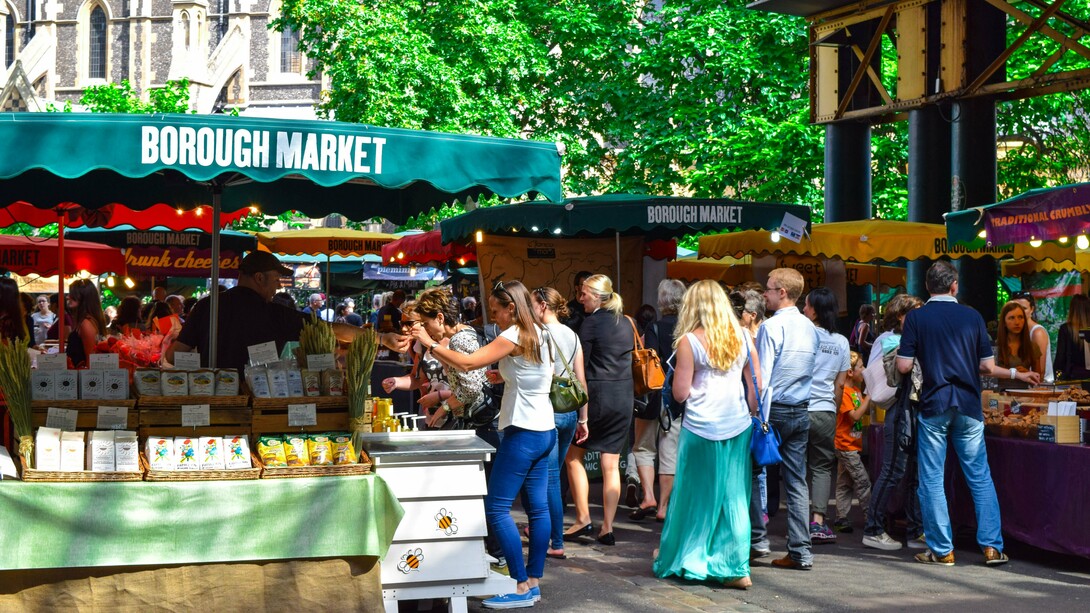
"Food tourism" is a relatively new term but a trend on its way up in the travel and tourism industry. Food tourism is an act of traveling to experience the food cultures, culinary traditions, and unique flavors of a destination. By doing so, one can gain a deeper sense of the destination’s family-run farms, artisanal farmers' markets, local restaurants, street food tours, and locally run cooking classes.
Food tourism is more than just eating and drinking but also immersive activities, such as ordering at street food vendors, shopping at local markets, and engaging with local chefs and producers. When done correctly, one can reverse the locals’ stereotypes of tourists while educating oneself on the connection between people and real food, also known as the food closest to its natural state.
Here’s how food tourism has been shaping the future of travel, both domestically and internationally, all around the world.
The definition of food tourism
A traveler engaging in food tourism is exploring and enjoying a travel destination’s local foods, beverages, and cooking traditions. A traveler’s engagement with said tourism allows for a full absorption of a said destination’s culture and history through food and beverage for a rewarding travel adventure.
Although the two terms are used interchangeably, food tourism touches on the active pursuit of food through travel, tasting, and discovery, while gastronomy focuses on the art and science of good eating.
Thus, a food tourist views food as a journey and not just mere sustenance, while a gastronome enjoys food with a discriminating taste—especially expensive or unusual food, such as Alma’s caviar, Kobe beef, etc., or century eggs, haggis pudding, etc.
The rise of food tourism
The rise of food tourism has been increasing and will likely continue to do so. The culinary reputation of an international or a domestic destination will never go out of style and might lead to paths to lesser-known food scenes, such as Chattanooga, Tennessee, Chengdu, China, and the Isle of Skye, Scotland.
According to research, over 50% of today’s travelers describe themselves as food travelers, also known as food tourists, due to selecting destinations for their respective culinary reputations.
Thus, a food traveler can have the best of both worlds by traveling to must-visit destinations while dining at established—and emerging—culinary hotspots. The recognition of must-visit destinations’ unique experiences as opposed to atypical counterparts can make a huge difference in settling vs. recognizing.
The keys to food tourism
Food has played an important role in bringing comfort, pleasure, and nostalgia to individuals and families since the beginning of time.
Fast forward to the present, where food is not just necessary for survival but also a rapidly growing industry. Furthermore, the power of food is currently driving a force known as "food tourism" within the travel and tourism sectors.
Food tourism brings meaning to the lives of the food travelers. But the differences are more than meets the eye, as the average person would be required to recognize the foundational differences between food tourism trips vs. everyday dining experiences.
Food tourism starts with a destination’s cultural heritage and identity. A food traveler would strive to sample the traditional dishes and family recipes passed down for generations within the destinations. As a result, a food traveler’s appreciation for a region’s regional culture and history increases.
Food tourism stresses the importance of locally sourced ingredients and authentic flavors. A food traveler’s goal to sample dishes made from fresh, regional produce and unique, eccentric spices leads to a greater appreciation for a dish’s distinct taste.
Food tourism shines a light on a food traveler’s understanding of the significance of certain dishes in religious ceremonies, cultural festivals, and everyday routines. As a result, a food traveler would develop a stronger connection with the local community.
Food tourism flourishes in various destinations, thanks to culinary experiences and activities. A food traveler’s itinerary may include visiting farmers' markets, purchasing from street food vendors, attending food festivals, and taking cooking classes, just to name a few.
Food tourism’s benefits include social interaction and cultural engagement between tourists and locals. A tourist who eats with a local would lead to a tourist’s discovery of a local’s customs, languages, and traditions, which could contribute to an intercultural dialogue and a mutual understanding between the two parties.
Food tourists strive to seek out authentic culinary experiences that cannot be duplicated elsewhere. The average food tourist possesses a great interest in trying traditional dishes and recipes that showcase the heart and soul of a destination’s local cuisine.
Food tourism stems from food-centered education and storytelling. A food tourist can benefit from the exploration of food beyond the plate, as the origins and preparation styles of various dishes are equally important to the dining etiquettes. After all, each dish provides an account of migration, trade, and cultural evolution over the years.
Food tourism places a strong importance on food travelers supporting and promoting local restaurants, bars, breweries, wineries, and farmers. Food tourism’s targets include having a positive impact on the local community while preserving culinary traditions and the natural environment.