English
 Español
 Français
 Deutsch
 Italiano
 Português
Sustainability has shifted from a niche interest to a central part of how many Italians choose their food. Half of the population says they have made more sustainable choices over the last five years, and two thirds now pay close attention to sustainability features when buying food and drinks. As people learn more, the idea of environmental respect has expanded. It is no longer limited to organic labels but now includes farming methods, packaging impact, supply chain transparency, and waste reduction.
Italy's organic leadership
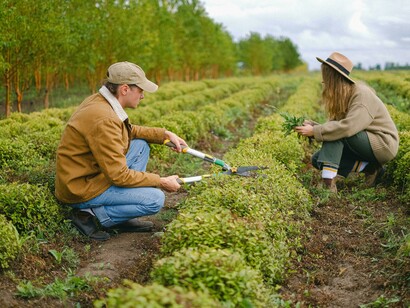
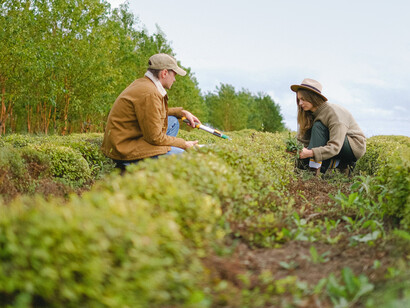
With more than two million hectares under organic cultivation, Italy holds the highest share of organic farmland in Europe. Organic food sales in 2023 for home and out-of-home consumption reached about 5.4 billion euros. Growth has been constant over the last decade. Per capita spending rose from 35.3 euros in 2014 to 65.8 euros in 2024, showing strong interest in natural and trustworthy food. Italy now ranks among the top global markets for organic products, with a market value close to two billion dollars and about three percent of global demand in 2021.
Why Italians choose organic
People choose organic for more than one reason. Twenty-seven percent believe these products are safer for health, twenty-three percent focus on reduced environmental impact, ten percent choose them for animal welfare, and another ten percent do so to support smaller producers. At the same time, many Italians still want more clarity. Twenty-eight percent feel they lack sufficient information, and large majorities want better explanations of what makes organic production sustainable and what concrete environmental benefits it brings.
How Italians define sustainability
A 2023 survey shows that the location of production is the top criterion for deciding whether a food product is sustainable, with thirty-one percent giving priority to origin. Packaging follows with twenty-eight percent. Local identity remains a strong cultural driver in Italy, and many consumers value traceability, naturalness, and food safety. The ability to track the path from farm to table is now a key part of trust.
The packaging sustainability challenge
In 2023, Italy used about 12.7 million tons of packaging, more than a quarter of which was paper and cardboard. Food and beverage products accounted for more than three-quarters of total packaging. That means packaging choices have a major effect on environmental outcomes. Recycling performance has improved sharply. Italy recycled 75.3 percent of its packaging waste in 2023, equal to more than ten million tons. This result surpasses EU targets for 2030. Steel, aluminum, paper, wood, traditional plastics, compostable plastics, and glass all saw significant recovery. Italy is now among the European leaders for per capita recycling.
The real environmental footprint
To understand impact, it is necessary to look at the full life cycle of food. Research shows that packaging contributes only a small share of the carbon footprint, often below two percent, while the food itself represents more than ninety-eight percent. When food is thrown away, the footprint becomes enormous. Globally, food that is produced but not eaten generates 3.3 gigatonnes of carbon dioxide equivalents every year and uses almost one-third of the world's agricultural land. If food waste were a country, it would produce more emissions than every country except the United States and China.
Packaging as protection against waste
Packaging plays an essential role in preventing waste. For example, wrapping a cucumber in a thin plastic film can extend its shelf life from three days to fourteen, cutting waste by half. The carbon cost of the film is minor compared to the footprint of the wasted food it prevents. Studies comparing steel cans, glass jars, and flexible pouches show that pouches can have as little as a third of the carbon footprint of the best-performing rigid packaging. This highlights the importance of evaluating full life cycles rather than relying on assumptions about material types.
Innovation in sustainable packaging
Italian companies have made notable progress in recyclable, compostable, and mono-material solutions. Coffee brands, confectionery suppliers, and packaging producers have shifted toward materials that can be easily recovered in existing systems. Some companies have reached recyclable shares above seventy percent, while others have launched fully recyclable or compostable solutions. Recognition from European institutions and awards in 2024 show that Italy plays an active role in packaging innovation.
Consumer perception challenges
Across major Western European countries, many consumers consider biodegradable packaging to be the most sustainable option. In Italy and Spain, this perception is particularly high, though it has begun to decline as more people learn about unclear standards and the risks of greenwashing. This shift shows how important accurate communication is for guiding responsible choices.
How Italians buy organic
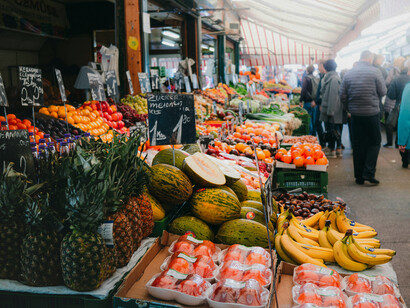
Modern retail remains the main channel for organic purchases, accounting for more than half of all household spending. Private label products now represent almost half of organic sales within this channel. Large retailers generate the majority of purchases, followed by discount stores. Traditional shops still matter for categories that rely on freshness, such as fruit, vegetables, and dairy.
Which categories perform best?
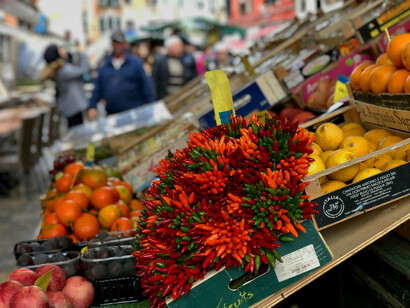
Fruit and vegetables lead organic spending. Dairy follows closely. Vegetable oils, fats, and eggs show steady growth, while organic meat and cured meat have declined slightly compared to 2014. In 2023, supermarkets and hypermarkets generated about 1.5 billion euro in organic product sales. Eggs, crackers, jams, preserved fruits, and bananas all recorded growth in value.
Economic factors
Higher prices and limited awareness remain obstacles for wider adoption. Inflation slowed in 2023 but still placed a heavy burden on households. Families with two children faced more than 1600 euro of extra costs compared to the previous year, with food accounting for more than 700 euro of that increase. Even so, younger consumers under thirty-four, older adults over sixty-five, and families with young children continue to drive demand for sustainable products.
Export strength
Italian organic products perform well abroad. Exports reached 3.6 billion euro in 2023, growing eight percent and supporting a strong positive trade balance. International buyers value Italian quality, which encourages producers to continue investing in traceability and sustainable farming.
Generation Z and future trends
More than sixty percent of Generation Z is committed to reducing its ecological footprint. Their expectations place strong pressure on food and packaging companies to deliver solutions that minimize environmental impact. This shift signals long-term market expansion for sustainable products and packaging that aligns with new regulations and consumer values.
A holistic view
The decade from 2014 to 2024 shows how much the Italian organic sector has matured. Environmental sustainability, quality, and health concerns now shape the market. Yet sustainable food means more than organic certification. It includes better packaging systems, reduced waste, transparent supply chains, and consideration of the full carbon footprint. The Italian packaging market is projected to grow from 3.44 billion dollars in 2025 to more than 4 billion dollars in 2030. As rules tighten and public awareness increases, sustainability will become part of every stage of food production and distribution.
Conclusion
For Italian consumers, environmental respect is a broad and evolving concept. With half of the population making more sustainable choices and two thirds paying attention to sustainability features, expectations have become more mature. Italy stands out for its organic farmland, strong recycling rates, and innovative packaging. People now look beyond labels and examine the entire path of food and its packaging. The fact that packaging represents a very small share of emissions while food waste is responsible for vast global impact shows how complex these choices can be. As younger generations push for lower footprints and companies respond with recyclable, compostable, and efficient materials, the Italian food sector is moving toward a complete sustainability model that considers environment, economy, and the high quality standards that define Italian food.