English
 Español
 Français
 Deutsch
 Italiano
 Português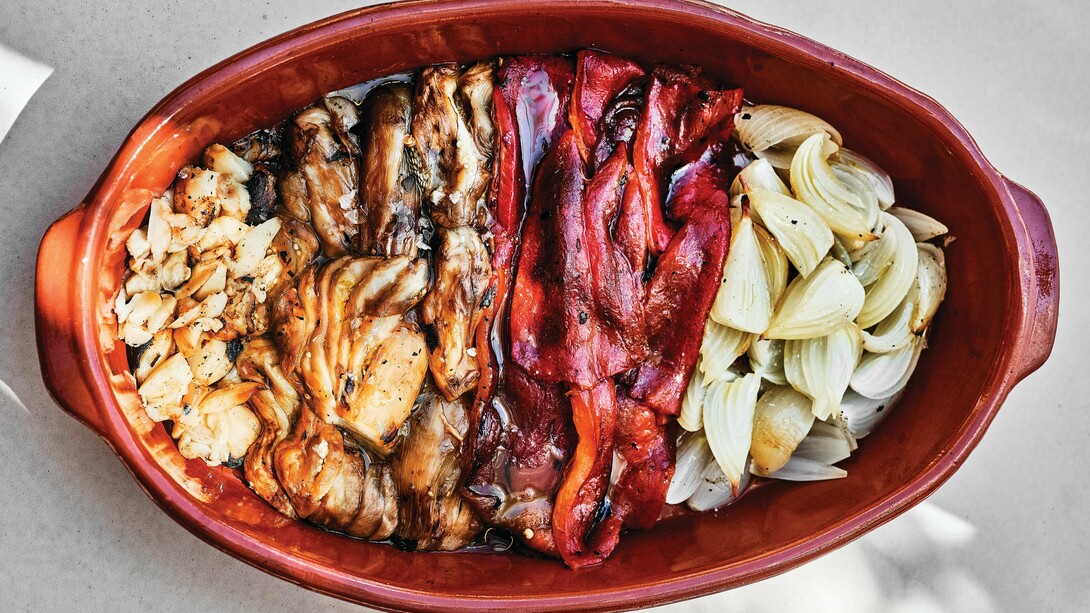
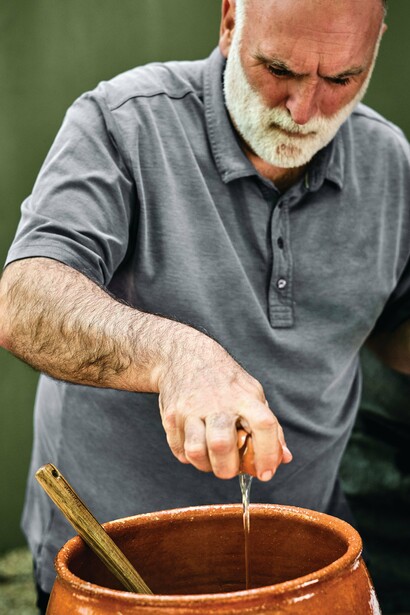
“Every recipe has a story,” Chef José Andrés tells me when he calls to chat about his newest cookbook, Spain My Way: Eat, Drink, and Cook Like a Spaniard. “Long gone are the days of just sharing or cooking a recipe. This book is about their stories, their culture, rituals, and the joys of food, which is the heart of life.”
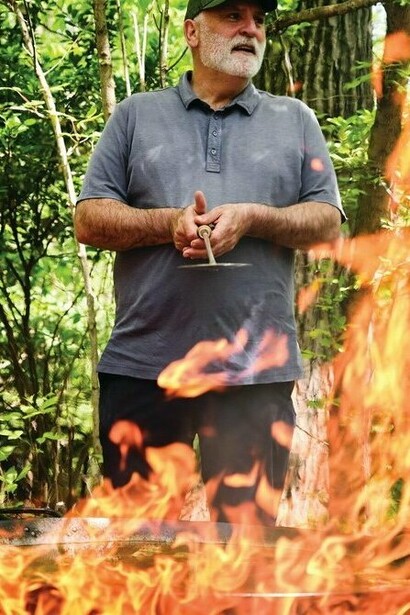
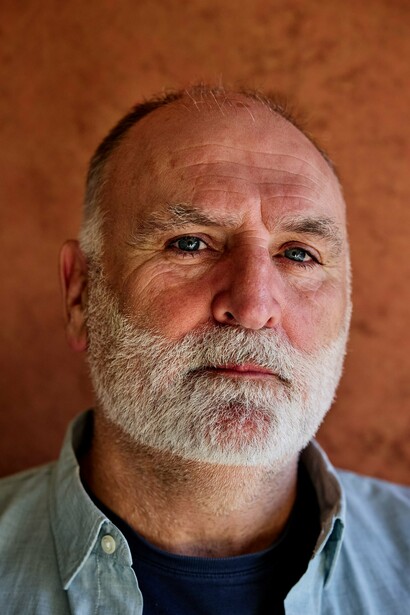
Andrés, who was born in Spain and came to America when he was 21 with only $50 in his pocket, is one of those people that tend to overwhelm. Not that he wants to. He’s convivial and very open about the joy he finds in family, friends, his heritage, and his cooking.
But when you look at all he’s accomplished—approximately eight cookbooks, partnering through his José Andrés Group in over 40 restaurants throughout the world, including with José Andrés, an exclusive 9-seat tasting counter at The Cosmopolitan in Las Vegas where the bill can run to approximately $500 per person and, most importantly for a man who wants to change the world through the Power of Food (his capitalization not mine), founder of World Central Kitchen (WCK), it’s all rather overwhelming.
Since its start in 2010, WCK has served approximately 600 million meals throughout the world following either a natural disaster, such as in regions of the United States and Puerto Rico, or in conflict areas like Gaza, Lebanon, and Ukraine.
Andrés and his team have formed a hit-the-ground-running type of setup, ready to deploy to the frontlines at once despite destroyed roads and bridges and more red tape than cash. They’re trained and dedicated and are able to get set up to serve chef-prepared meals almost immediately upon arrival. Rather than imposing a one-size-fits-all plan, WCK is flexible, partnering with local restaurants, chefs, and farmers. This empowers the affected community and jump-starts economic recovery.
But WCK is not only about emergencies; the organization also invests in what they term long-term resilience programs by awarding grants to small farmers and food producers to create and support local food systems.
Oh, and for his work, Chef Andrés has won numerous awards, including James Beard Foundation Awards for International Cooking, several JB Humanitarian of the Year awards, two more for Best New Restaurant, and even more in the James Beard Outstanding Chef category. Plus, he’s been nominated for the Nobel Peace Prize numerous times, named one of Time's 100 Most Influential People, and was awarded the Presidential Medal of Freedom, the highest civilian decoration of the United States, presented by President Joe Biden.
Cooking is more than just a way to feed himself and others; it’s a calling.
“In my newest cookbook, ‘Spain My Way,’ I don’t just share recipes,” he says about the book published by Ecco, an imprint of HarperCollins Publishers. “This book is about culture, ritual, and the joy of food, which is at the heart of life.”
It’s a big, beautiful book. Oversized with 383 pages of recipes, stories, lovely photographs, and packed full of information on Spanish cookery, ingredients, and lifestyle. At times, his writing is almost mystical in his reverence for the foodways of his country.
“Many parts of Europe were created around markets that have been around for centuries, nearly back to Roman times,” he says. “In Spain you go to markets to buy food, but markets are more than just places to purchase fruits and vegetables; they also show you how people live and create communities, connecting us to the farmers who grow our food.”
Andrés pauses here and then adds that many of these food producers are essential workers when it comes to feeding us and deserve the dignity of being able to feed their own families as well.
The history of foods fascinates him as well. In a chapter titled Aciete de Oliva (olive oil), Andrés writes, “When I say I have olive oil running through my veins, it’s not just because I cook with it a lot. It’s very deep in my DNA, the DNA of all Spaniards.”
Bread is another ancient food, according to Andrés, and so important to Spaniards that a meal without bread is like a beach without sand.
“Sure, it’s okay and you’ll be fine and live to see another day, but will you be happy about it?” he says as he ponders the thought of a bread-less meal before answering his own question. “Probably not. Bread is everything to us. We’ve been making bread for thousands of years, way before anyone knew what yeast was.”
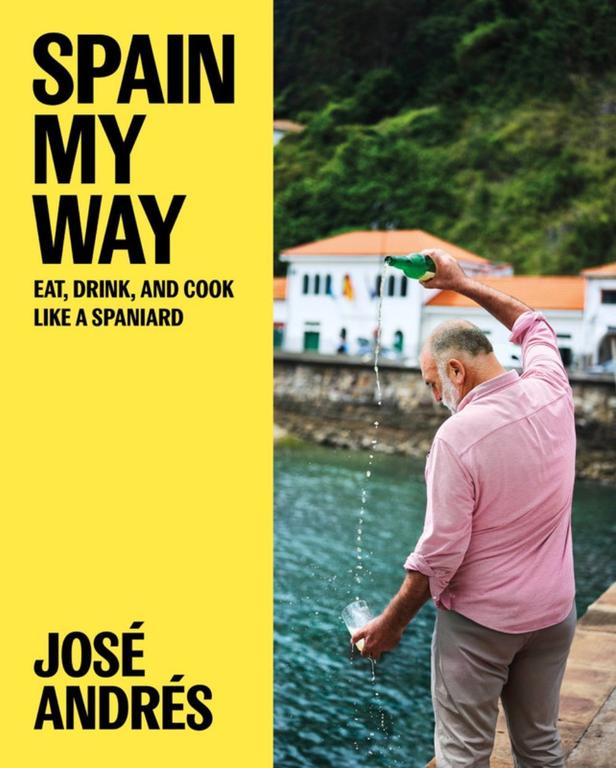
“Spain My Way” is the latest cookbook from José Andrés, a James Beard Award winning restauranteur, chef, TV personality, and philanthropist. Credit: Ecco.
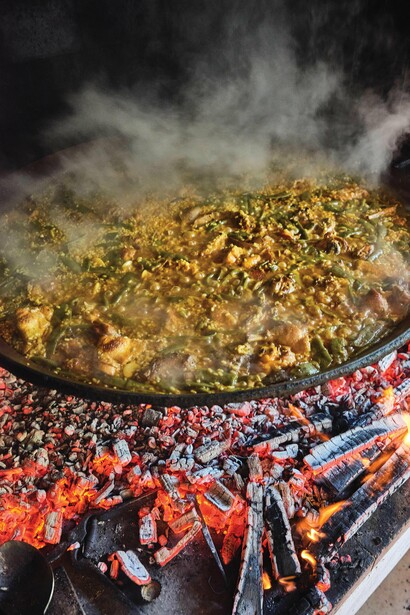
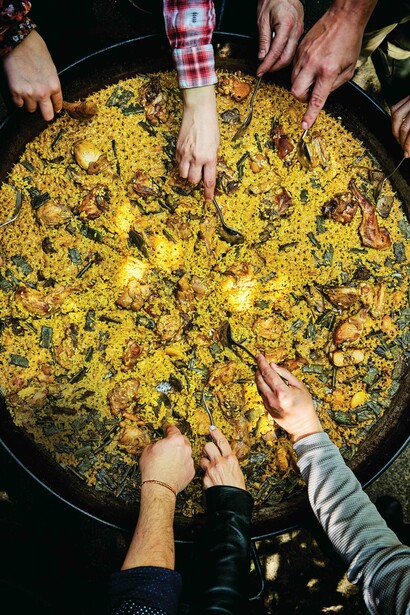
It is this type of reference that makes “Spain My Way” fascinating in ways that go beyond a typical cookbook. But, of course, a cookbook is full of recipes and there are a lot included here along with short essays. Many of the dishes are surprisingly easy, the instructions well-written, and the photography not only colorful and stunningly attractive but also helpful in showing how they are prepared. There are also a lot of interesting asides.
“I love to keep a tin of sardines with me when I travel in case the airplane food is not good,” he writes. “The healthy protein will keep you full on a long flight. Just make sure to ask your neighbor before you open them up.”
Chef Andrés immerses himself in the traditions of his craft. He describes his recipe for escalivada, a Catalan dish of roasted vegetables, as “the truest essence of cooking, the most ancient way to treat vegetables. It comes from the Catalan ‘escalivar,’ which means to cook in ashes, which is exactly what you can do to the peppers, the onions, and the eggplants. It’s one of the few dishes that it’s okay to really char if you want—don’t let anyone tell that you’re doing wrong.
“Traditionally, escalivada doesn’t include garlic, but I like to throw a head of two on my fire and add it to the vegetables—why not?” he asks rhetorically in writing about the recipe. “The magic is that the vegetables are steaming in their own skin, and so you peel away the outsides, you’re left with these beautiful, sweet, soft vegetables. Escalivada is versatile—you can serve it with anchovies or on a sandwich with melted cheese.”
When it comes to sangria, that seemingly Spanish drink, he traces its roots even further back.
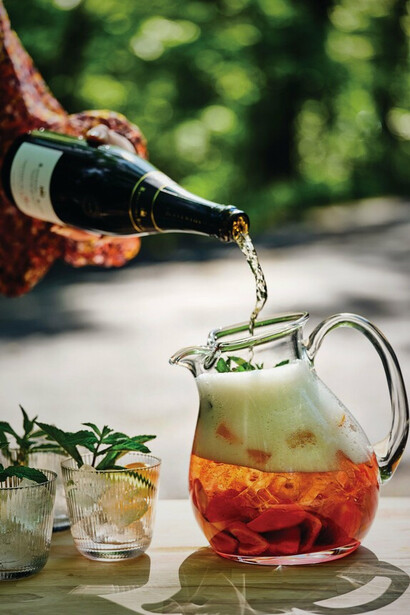
“If you ask one hundred Americans what the most famous drink of Spain is, ninety-nine of them would say sangría (and the last one would be thinking too hard),” he notes about his recipe for Sangria de Cava. “You know I love to give Spain credit for all good things, but the history books tell us that sangría is actually very, very old, older than Spain—as old as the Roman Empire, where they loved a sweet, spiced wine called “hippocras.”
Today you can find sangría throughout the country, in homes and bars. But too many versions of it, especially in tourist areas, are bad—too sweet and too spiced, usually covering up bad wine. When you make it at home, use something you’d be happy to drink on its own—not the very best stuff, but not the worst. After that, make your sangría your own—you can do the same process with tinto, blanco, rosado, or Cava, like we do here in this recipe, and add whatever fruits you like, as long as they are in season.”
Chef Andrés shares the lessons and wisdom he has learned through the years, whether it’s inside or outside the kitchen. In his book, “Change the Recipe: Because You Can't Build a Better World Without Breaking Some Eggs,” he encourages all of us to be adaptable, not give up, and use our creativity to overcome obstacles.
“It’s important to trust yourself and your instincts,” he says. “We all become role models, whether good or bad. Opt for the good.”