English
 Español
 Français
 Deutsch
 Italiano
 Português
Have you ever visited a country or region and, while immersing yourself in its culture, interacting with locals, trying your best to converse in its language, and exploring its rich past, suddenly gotten taken aback by a delicacy that happens to be way past your food boundary? You may consider yourself an avid foodie, but acquiring exotic and adventurous tastes doesn’t happen overnight.
Regional cuisines are usually must-try dishes that, in today’s world, end up trending on social media posts, becoming the go-to comfort dish for food enthusiasts and amateur cooks around the globe or an inspiration to a master chef who uses it as a base for his latest culinary creation.
However, there are countries and regions that have exotic delicacies created out of necessity, survival, tradition, or the unbridled need to push the boundaries of culinary extravagance. But the creation of boundary-pushing dishes is not actually a modern occurrence. They have been prevalent in the history of civilization ever since we as a species began wining, dining, and toying with the science of taste, nutrition, and the fundamental need to survive. Here are some of the most bizarre food dishes in human history.
Dormice: Ancient Rome
The influence of the ancient Romans on modern civilization is still evident, but eating dormice is one ancient Roman practice that never caught on. Dormice were considered a luxury delicacy in ancient Rome and were kept in jars called glirariums. These jars came with ledges the dormice could climb on and even had ventilation holes, encouraging them to sleep and eat their fill to achieve the right amount of chubbiness.
Dormice were often weighed on scales, and their weight was even recorded because heavy meat was a point of pride for rich Romans, where they could show off their wealth with a showcase of fatter dormice. Once deemed plump enough, the mice would be stuffed with spices, minced pork, and pine nuts and roasted and glazed with honey and poppy seeds. They were usually served at the beginning of a feast to impress guests, often styled with culinary sophistication. The tradition of eating dormice may not be a global trend, but it’s still a culinary heritage in countries like Croatia and Slovenia.
Live bird pie: Tudor England
Pies are prevalent in many cuisines across the world, but during the Tudor period in England, live bird pies were served during royal banquets as a form of entertainment. This dish, like the Roman dormice, was a display of the host’s wealth but also allowed the chef to show off their culinary skills. Chefs making this dish would make the pie with a large, sturdy, hollow crust, which was also known as “the coffin.” After baking the pie, birds would be inserted into the pie through a trapdoor in the bottom.
The most popular species of bird for live bird pie were blackbirds, but thrushes were also a popular choice, as were finches and parakeets for smaller pies. This extravagant display of live food is the inspiration for the classic English nursery rhyme, “Sing a Song of Sixpence,” known for its surreal imagery of a king, a queen, a maid, and birds baked in a pie.
Fesikh: Ancient Egypt
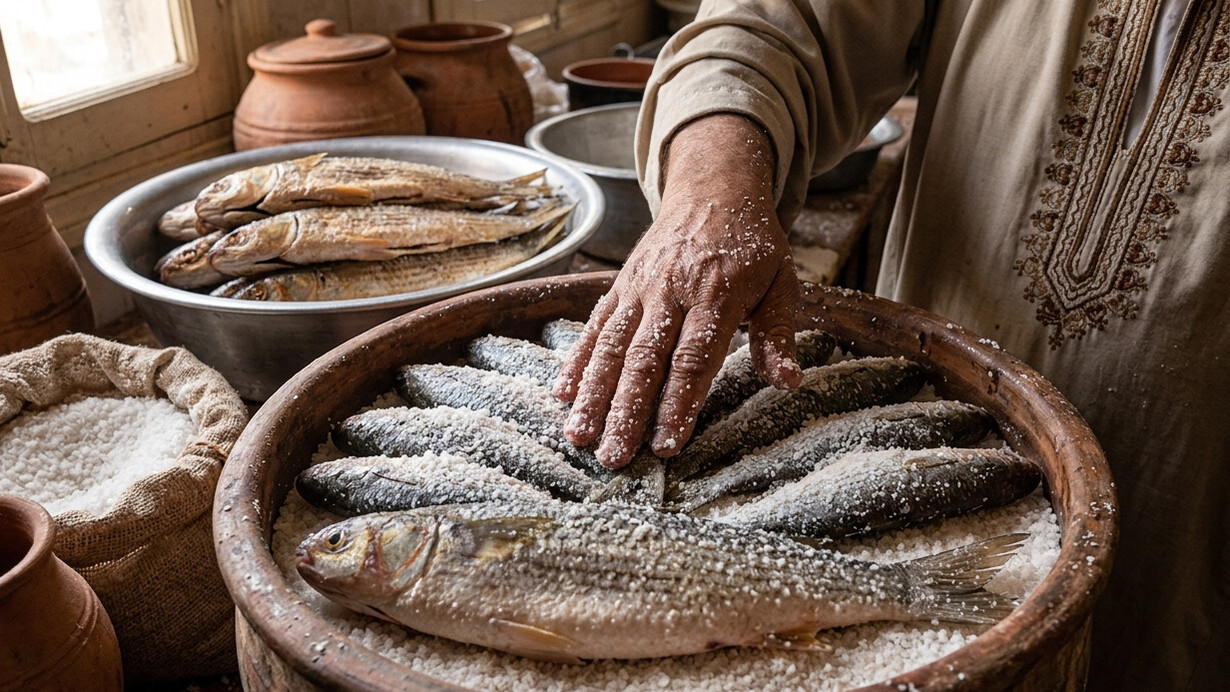
The sight of fermented fish with its head still attached can be visually off-putting, but what if such a dish could also give you a serious case of food poisoning? We’re talking about Fesikh, an ancient Egyptian dish that has been served since 2500 BCE. Fesikh is traditionally prepared by a Fasakhani, who is knowledgeable in the safe preparation methods and fermentation techniques of this dish. Even though it will take an adventurous soul to attempt this dish for the first time, the ancient Egyptian practice of gathering fish on the Nile River when it receded and salting and drying them to create a reliable food source has survived to modern times.
It is a staple dish during the Egyptian holiday of Sham el-Nissim and, in ancient times, an offering to the gods to ensure a good harvest. This dish is traditionally served with onions, lettuce, and lemons after it has been dried under the sun and submerged in salt within wooden vats for 45 days. However, it is not uncommon for the Egyptian Ministry of Health to issue cautionary warnings that improperly prepped Fesikh can lead to botulism poisoning.
Melas Zomas: Ancient Sparta
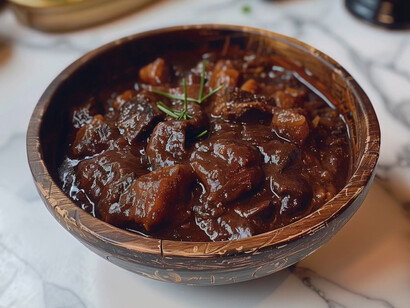
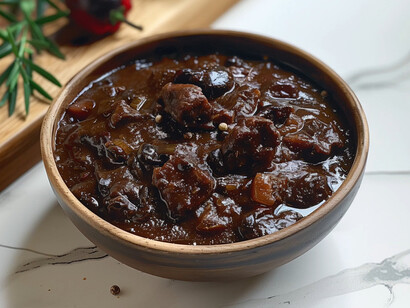
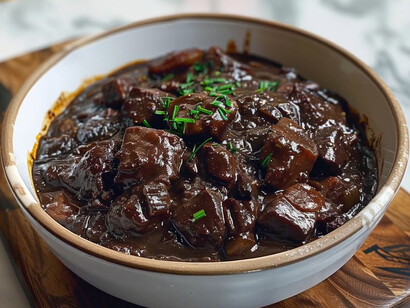
Spartan soldiers were known for their bravery and military prowess, having undergone a state-run training regimen that focused on discipline, stealth, and lethal skill since they were boys. But their austere, disciplined, and frugal way of life is most exemplified in their diet of the black broth soup known as Melas Zomas. The dish is traditionally described as consisting of pork scraps, pig blood, vinegar, and salt.
The pig’s blood was to thicken the soup, and the vinegar is said to act as an emulsifier to prevent blood clotting. Melas Zomas was not meant to be appetizing, but even though it has not survived the test of time, there are stews from around the globe that use blood as an ingredient, such as dinuguan (pig’s blood stew) from the Philippines, czernina (duck blood soup) from Poland, and seonjitguk (clotted cow’s blood soup) from Korea.
Beaver tail: Colonial North America
Today, we think of beavers as cute and hardworking rodents that have been a conservation success in Europe and North America, creating complex wetland ecosystems that have led to increased biodiversity and improved water quality. But beaver meat was a staple for indigenous peoples in North America, and its tail was a delicacy. It was valued for its fatty texture and gamey flavor. The tails were usually roasted to a crisp or boiled until their scales loosened.
In the 17th and 18th centuries, beaver tail also became a staple for early trappers and French Canadian settlers, becoming a crucial food source for the former. Humans get very creative when in survival mode. The Catholic Church in New France (Quebec) even classified the beaver as a fish, arguing that it lived in water and had a scaly tail, allowing settlers to eat its meat, particularly the tail, on Fridays and during Lent, when meat was forbidden.
Hákarl: Iceland/Viking Era
History has many examples of people and civilizations that used fermentation to preserve food during long winter months. The Vikings that settled in Iceland proved to be resourceful, with one of the only sources of abundant meat, the Greenland shark. The result is hakarl. The shark’s meat, however, was toxic when fresh, so these Vikings buried its meat in gravelly sand for up to 6 to 12 weeks.
After it is taken out of the ground, the meat is dried for a few more months, developing a brown crust that is removed before consumption. This broke down the poisonous urea and trimethylamine oxide, creating a pungent and ammonia-rich delicacy. Pungent and ammonia aromas are not normally descriptors of delectable dishes, but Hákarl was essential for early Icelandic Vikings to survive the harsh winters.
Masato: indigenous cultures of South America
This ancient beverage of various indigenous cultures of the Amazon wasn’t just a staple; it was a symbol of hospitality and community, consumed during weddings, funerals, and feasts. The main ingredients of Masato are cassava (yuca) and human spit. Yes, you heard that right. Spit is added to the cooking process once the cassava is boiled and its toxins removed.
Then it’s chewed, usually by women of a tribe, creating a mixture that converts starch into fermentable sugar, which is then spat into a pot, where it ferments for 1 to 7 days. It may not sound very appetizing, but it acted as a safe source of hydration for many indigenous tribes in the Amazon basin, and the fermentation killed off pathogens. This ancient drink has variations that survived the test of time, and some modern and regional recipes use sweet potato and other starches for fermentation, minus the chewing.
Sources
Roman Stuffed Doormice: Glis-Glis. Eats History. February 2025.
Ancient Romans special regard for eating jar-raised rodents. 2 New Things. August 2017.
Dormice Delicacies: A Unique Appetizer of Ancient Rome. Medium. September 2023.
There was a real recipe for ‘Four and Twenty Blackbirds Baked in a Pie’. The World. July 2015.
For The Origins Of Pie, Look To The Humble Magpie. The Salt. November 2011.
The deadly dish people love to eat. BBC. February 2022.
Fesikh. Gastro Obscura.
Melas Zomos: Spartan Black Broth. Eats History. October 2024.
Melas Zomos - Ancient Spartan Black Broth. Greek News Today. November 2023.
The Foods Americans Once Loved to Eat. Smithsonian Magazine. June 2015.
Yum Beaver Tail. Museum of the Mountain Man.
Hákarl: Iceland’s Fermented Shark – A Viking Legacy. Runaway Jun.
Everything You Need to Know about Hákarl, Iceland's Fermented Shark Delicacy. Current. March 2025.
Exploring Iceland’s Unique Tradition of Fermented Shark: A Deep Dive into Hákarl. Medium. February 2024.
The role of Masato drink in the Peruvian Amazon. Comboni Missionaries. September 2023.
Chicha and Masato: Ancient Peruvian Spit Drinks. Vinepair. June 2016.