English
 Español
 Français
 Deutsch
 Italiano
 Português
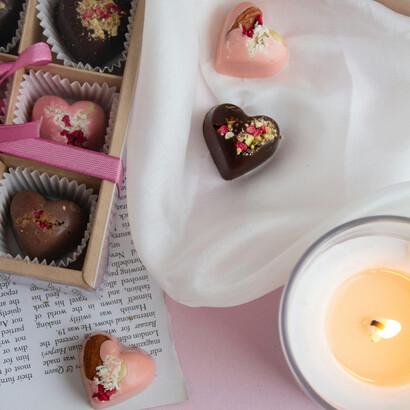
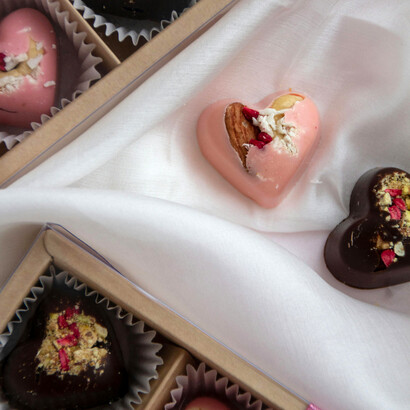
With Valentine’s Day upon us, our thoughts turn to romance and, inevitably, to chocolate. We picture a heart-shaped box of bonbons or a finely wrapped bar. The verb that comes to mind is "eat," and the adjective is almost always "sweet." But this is a relatively new chapter in the story. For about 90 percent of its long history, chocolate was strictly a bitter beverage, and sugar had nothing to do with it.
The story begins with the cacao tree, whose Latin name, Theobroma cacao, literally means "food of the gods." Etymologists trace our modern word "chocolate" back to the Aztec word "xocoatl," which named a bitter, spiced drink brewed from ground cacao beans. While many modern historians estimate that chocolate has been around for 2,000 years, recent research suggests its use is even older. The ancient Mesoamericans who first cultivated it valued it so highly that cacao beans were used as currency1. It was a drink for rituals and warriors, not romance. The transformation that paved the way for Valentine's Day began when chocolate sailed to Europe in the 16th century. Sweetened with sugar and honey to suit European palates, it was transformed from a sacred, bitter potion into a luxurious indulgence for the aristocracy. Sipping hot chocolate became a sophisticated social ritual, but its connection to love was still simmering.
How chocolate found its heart
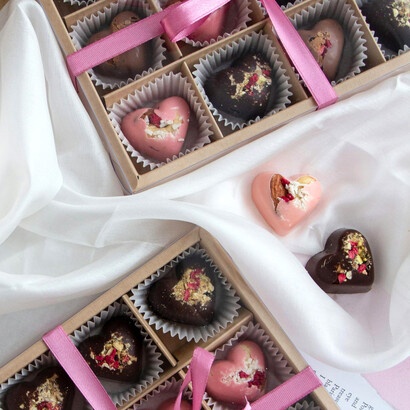
In Victorian England, chocolate was a delightful luxury, a special treat for the wealthy. A family named Cadbury, led by a man named John, was already famous for their high-quality cocoa. The Cadburys were Quakers, and they believed in creating good, wholesome products as an alternative to alcohol. But the real magic began when John's sons, Richard and George, took over the family business. They had a wonderful idea to make their "fancy chocolates" even more special by selling them in lovely, decorated boxes.
This simple idea was a stroke of genius. Richard Cadbury designed these boxes2 to be as beautiful as the chocolates inside, with pretty pictures on the lid that people, especially children, loved to save. The boxes were so charming that they were often used long after the chocolates were gone, becoming precious keepsakes for storing small treasures. This thoughtful touch made the gift of chocolate feel even more personal and lasting. It was this beautiful combination (a sweet treat for the present and a lovely box for the future) that made Cadbury's creations a perfect gift for Valentine's Day, forever linking chocolate with the art of romance.
Why chocolate feels like love
It’s not just clever marketing; there’s a delightful bit of science behind the magic. Think of chocolate as a tiny, delicious chemist, expertly crafting feelings of happiness and attraction in your brain. It contains a special compound called Phenylethylamine (PEA), often nicknamed the "love drug," because it's the very same chemical that floods your system when you're falling head over heels. Then there’s tryptophan, a building block your brain uses to create serotonin, our natural mood-lifter that brings a wave of calm and well-being. And as if that weren't enough, chocolate also contains a touch of Anandamide, the "bliss molecule," which gently targets the same brain receptors as cannabis, promoting a sense of relaxed contentment.
Now, before you replace all your dates with a candy bar, it's worth noting you’d need to eat a truly heroic amount of chocolate to feel a drug-like effect. As this scientific review notes3, it's the powerful combination of these compounds with chocolate’s rich, creamy texture and melt-in-your-mouth sweetness that creates an unforgettable sensory experience. This is the true secret: when we share chocolate, our brains learn to associate that wonderful, comforting feeling with the person who gave it to us, making every bite a sweet reminder of connection.
Choosing with heart
This February 14th, move beyond the generic and choose a chocolate that speaks from the heart. For the passionate and adventurous, a dark chocolate with high cocoa content is a sophisticated statement; its intense, complex flavors are perfect for a deep, established connection. For the classic romantic, you can’t go wrong with smooth, creamy milk chocolate, the universal language of sweetness and comfort. If you’re aiming for a gesture of playful fun, white chocolate is a lighthearted and cheerful choice. The best part is that there's no wrong choice when the intention is sincere. Or, for the ultimate gesture, skip the box altogether and book a chocolate-making workshop for two, creating a story far sweeter than any store-bought treat.
So, as you present that beautifully wrapped box or share a decadent dessert, remember you’re offering more than just a sweet treat. You’re participating in a centuries-old ritual, a language of love that began with ancient warriors, was perfected by Victorian romantics, and is now sealed with a delicious, melting kiss. Happy Valentine’s Day.
References
1 A Brief History of Chocolate.
2 Candy Favorites. (n.d.). Wholesale & bulk candy store.
3 Bruinsma, K., & Taren, D. L. (1999). Chocolate: Food or drug? Journal of the American Dietetic Association, 99(10), 1249–1256.