English
 Español
 Français
 Deutsch
 Italiano
 Português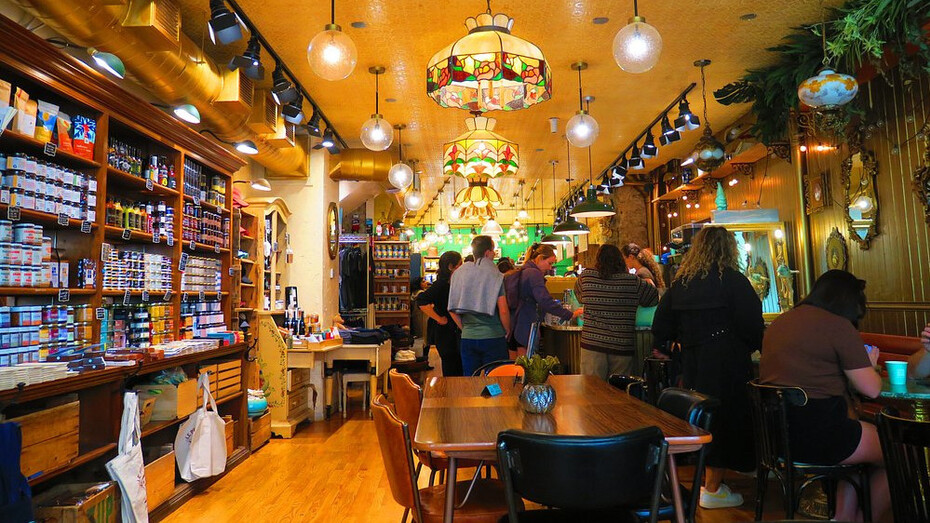
For anyone who has navigated the 500 kilometres of the 401 Highway that separate Canada’s two largest metropolises, Toronto and Montreal, the comparison is inevitable. Yet, after living in both, the question of "quality of life" isn't settled by taxes or transit efficiency, but by the soul of the streets. Montreal is, quite simply, a city that breathes. It is a place where the pace of life isn't dictated by the stock exchange, but by the slow hiss of the espresso machines, the spinning of the bikes, and the communal gravitation toward a morning brunch.
Despite being an extremely multicultural city, one of the most profound struggles of life in Toronto is the palpable lack of a distinct cultural identity. At times, the city feels like a seamless extension of any other American glass-and-steel monolith. It is a landscape defined by towering skyscrapers, an unrelenting hustle culture, and a social status inextricably linked to consumerism. In Toronto, the social encounters are often treated as a transaction to be optimized. It is a fact made clear by the local "happy hours" that run from 2:00 PM to 5:00 PM. It is a city designed to collect cash and status during the gaps in a work schedule, rather than to promote genuine human connection. In Toronto, it is entirely possible to never know the name of your next-door neighbor.
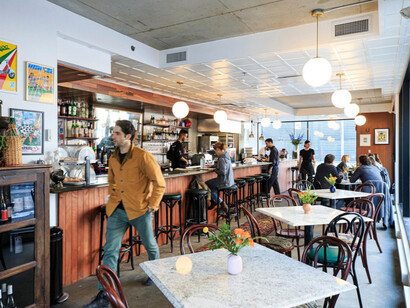
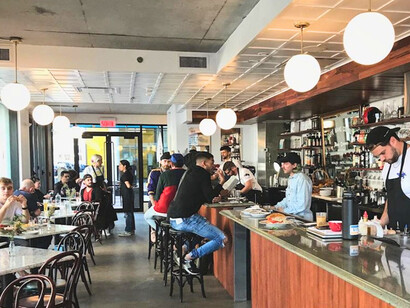
For me, Montreal is by far a trillion times more exciting. Here, human connection is a point of civic pride. Buildings are famously forbidden from standing taller than Mount Royal, the natural landmark that anchors the island. In every corner, from neighborhood festivals, sports competitions on the streets, to the vibrant murals that decorate the brickwork of the Plateau, the city prioritizes heritage over "growth" for growth's sake. In Montreal, people don’t just live alongside one another; they get together. For this to happen, "third spaces", those vital habitats between the office and the home, are essential. This is why the coffee shops and brunch bistros here carry a weight they simply don’t possess elsewhere in Canada. They aren't just a pit stop for caffeine; they are the living rooms of the city.
As someone who has lived and breathed the Montreal morning ritual, I’ve curated a humble list of the spots that don’t just serve the best food in the country, but anchor the very soul of the neighborhoods they inhabit.
Arthur's Nosh Bar: the secular temple
Located in the once-industrial, now-gleaming St. Henri neighborhood, Arthur’s has been the gold standard for brunch since 2016. It is more than a restaurant; it is a secular temple to the reinvented Jewish deli. Never taking reservations and with a perpetual queue at their door, this place is the intersection between heritage and hype. Once you have endured the sidewalk wait and taken a seat in the bustling diner, the reward is the curated menu.
My personal forever favorite is the Eggs and Salami: my choice is soft scrambled eggs, a crisp latke, sweet beef salami, and a pressed challah roll that’s so soft that feels like a luxury. That softness is translated to everything surrounding, white tiles, pink and green tones. Beyond the salty, the true star of the menu is the Syrniki: two fluffy cottage cheese pancakes served with maple syrup and Maldon salt. If the season allows, you can add fresh Canadian blueberries to this messy glory of a masterpiece.
Le Petit Dep: the aesthetic of the pause
Next to the St-Henri quartier is Griffintown, home of my favourite Le Petit Dep location. Its signature turquoise facade is reminiscent of a Wes Anderson set. It is a masterclass in the art of the "third space," prioritizing the aesthetic of the pause.
Walking into a bric-a-brac atmosphere, the massive green of the plants that decorate every corner of the interior is the frame to lamps, petite sculptures, and retro elements that define the identity. The cafe offers a wide range of pastries and sandwiches that sit behind glass like edible museum pieces. Any of their coffees are exceptionally good and can be taken in sofas that embrace you for every sip.
As “dep” comes from the word deppaneur, Le Petit Dep is also a general store. The shop shelves are lined not merely with necessities, but with a meticulously selected range of goods of local artisanal honeys, chocolates, sauces, and nostalgia. A reimagined general store that sells the idea of Montreal heritage as effectively as it sells a well-pulled espresso.
Mano Figa: the caffeinated pulse
Just steps away is Mano Figa, the caffeinated sibling of the celebrated Italian restaurant Mano Cornuto. Like the natural transition of the coffee after dinner for Italians, the café is an open door from the restaurant.
The space acts more as a stage for the rapid-fire choreography of the standing espresso. The espresso is pulled with a traditionalist’s rigour, yielding a crema so thick it feels structural and taken between soccer matches and F1 posters. For a Montreal summer, their Crema di Caffè, sweet and iced like a drinkable gelato, is the essential closing note after a mortadella sandwich next door.
Café Olimpico: the cathedral
One of the landmarks of Montreal is Café Olimpico. Historical as the Cathedral of Notre Dame that crowns the Old Port, the Cafe Olimpico, located steps away from it, is the backstage to find peace. Honoring their “Open da night,” this is the place for the true coffee drinker who appreciates a late-night shot of espresso or a sharp cortado right before midnight. It is a space to have a talk after dinner.
Cafe Olimpico is an institution, with its dim lights, stone features, and dark ebony counters; it feels eternal. The fuming steam from the espresso machines against a backdrop of Serie A matches and images of Maradona revered like deities. In a world increasingly obsessed with digitality, Cafe Olimpico remains a stubborn, analog joy.
Crew Collective & Café: the financial ghost
Also in the Old Port, Crew Collective Cafe stands in the neo-classical belly of the former Royal Bank of Canada. Spinning through the heavy gold revolving doors forces you to immediately look up. A 1920s fever dream of gilded vaulted ceilings, intricate marble floors, and brass-and-glass teller wickets that once oversaw the flow of national capital evokes awe in anyone. Here, the "third space" achieves its most literal and grandest form: this also co-working space has successfully occupied the ruins of a transactional empire. A proof that the most imposing symbols of the cold old financial guard can be softened by the scent of roasted beans and the quiet, collective hum of a city at work.
The best way to experience this place is with a cappuccino paired with a bagel from the legendary Montreal bagel institution, St Viateur. The irresistible scent of wood-fired sesame bagels, washed down with smooth milk foam, is a pleasure unique to this city.
Dandy: the golden hour set
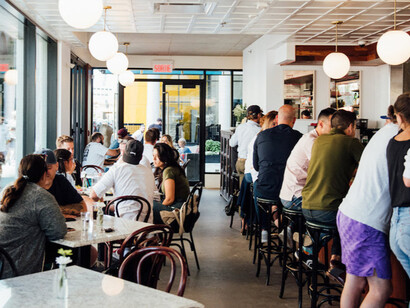
A few blocks away stands the Dandy, a mid-century jewel that feels less like a restaurant and more like a carefully lit cinematic set. The natural light through the massive windows makes even the most sleep-deprived guest look suddenly chic.
The long queue at their door always seems eternal when stomachs are empty. But their menu is tight, easing the indecisiveness of the morning’s possibilities. My go-to is their Endless Summer Breakfast: soft avocado on a sourdough toast with a fried egg (that I usually substitute for scrambled) and a fresh homemade tzatziki that brings a bright, deep creamy feeling to the plate. In a city where brunch is a sacred rite, Dandy has managed to turn it into a high-design event, proving that the first meal of the day is best served with a side of effortless aesthetics.
Olive et Gourmando: the butter sanctuary
Operating with a choreographed frenzy on a cobblestoned corner of Old Montreal is Olive and Gourmando. From being a trend to becoming a part of the city’s identity, the air is saturated with the scent of butter and the caffeinated hum of a crowd that has long since accepted the inevitability of the queue to sit in the place.
The busy kitchen runs by seasonality and their inspiration to make the menu happen. While the “The Cuban” sandwich is perhaps the popular suggestion among the servers, I always go for the Chicken Melt: a soft grilled chicken, provolone cheese, and a chive coleslaw that gives the crunchiness on a potato roll sandwich.
This choice always left me with some spare space to try their weekend-only special, the Peaches and Cream French Toast. The best French toast on the island is served with fresh Ontario peaches, maple syrup, and its crumble, topped with labneh and mint. It is an explosion of flavor that will silence the crowd around you. It is magnificent.
Café Pista: the intellectual conscience
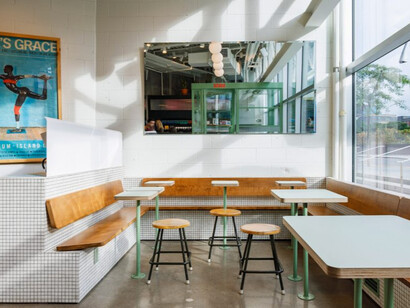
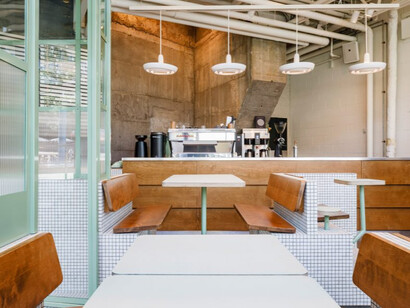
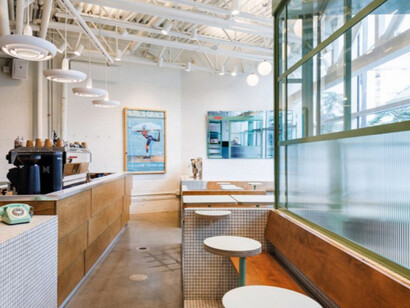
Located in the iconic Plateau quartier on Rue Beauvien, Café Pista is a serene, minimalist space, driven by intellectual conscience. Anchored by light woods and a signature mint-hued palette, it feels more like a laboratory for the appreciation of the bean as an agricultural product.
Pista is one of my favorites because it also honours Montreal’s bicycle culture. It was also how it originally started, as a bike café where the coffee was ground by pedaling. To sit here is like riding a bike, a bliss of happiness.
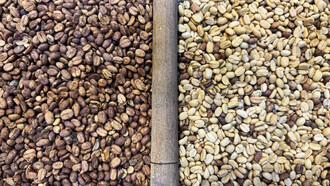
The coffee is roasted with respect and transparency, bringing the term “specialty coffee” to life. Their beans are hand-picked from micro-producers, fostering sustainability and responsible sourcing as they toast them in Montreal. Having a coffee here is the closest one can get to the harvest while remaining in the heart of the city.
Melk: the industrial gallery
Finally, the Melk cafe location at Rue Stanley is another example of mastering the craft of serving coffee. It is a "hole-in-the-wall" rendered with such aesthetic intent that it feels more like a curated gallery of the morning ritual than a mere pitstop.
Their motto, “We don't want to sell trash!” is reflected in their pouring. Like Pista, they also roast their beans in Montreal, and all of them are exclusively organic. While the coffee is the top-notch star of the place, it is impossible not to pair it with a croissant that tastes as though it were pulled from the oven seconds before you arrived.
Montreal is a true representation of bon-vivre. It is a city of spaces designed for getting together, with others or with oneself, to enjoy a quality of life that remains, for now, unseen in the rest of Canada.