English
 Español
 Français
 Deutsch
 Italiano
 Português
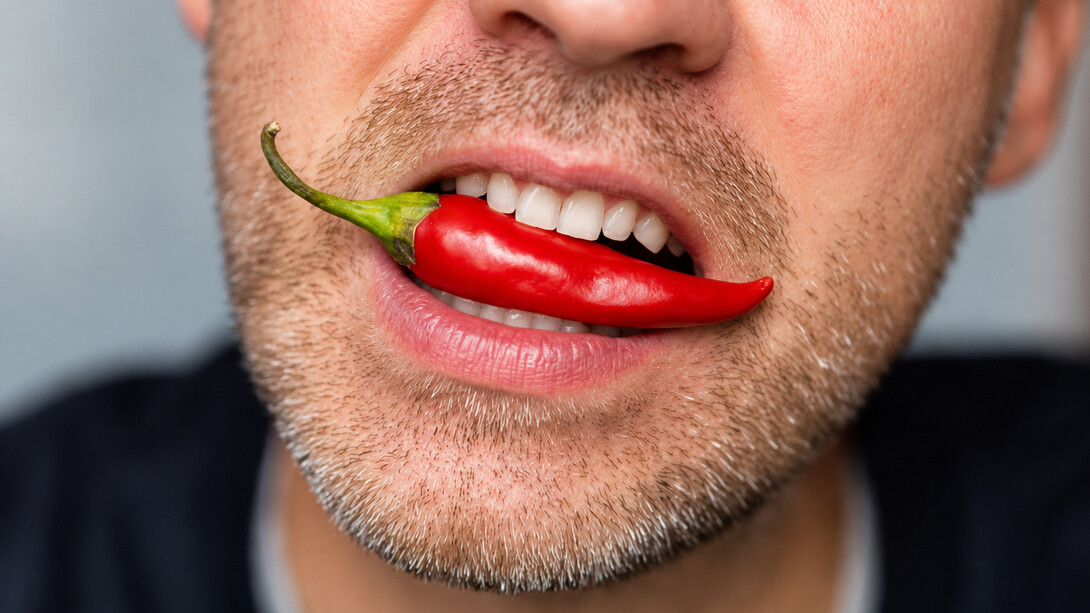
You're sweating, your mouth is on fire, and your eyes are watering; yet you reach for another bite of that fiery curry or those nuclear-hot wings. This peculiar behaviour seems to defy logic: why would we voluntarily subject ourselves to something that triggers pain receptors designed to protect us from harm? The answer reveals a fascinating neurological hack where your brain transforms perceived danger into pleasure, creating a natural high that millions of people around the world actively seek. Spicy food, particularly chilli peppers, enjoys widespread and increasing global popularity, with capsaicin, the primary pungent component in chilli, known to stimulate pain receptors in humans, triggering a burning pain sensation on the skin and tongue. Yet paradoxically, this pain creates one of the most sought-after sensory experiences in cuisine.
The science behind our spicy food addiction illuminates fundamental truths about how our brains process pain and pleasure. When we eat spicy food, our brain is fooled into thinking we are hurting ourselves, so we release the body's natural pain killers, endorphins, in the same way we would if we had actually been injured. This endorphin flood creates feelings of euphoria similar to a runner's high, effectively turning your dinner into a natural, legal, and delicious drug delivery system. The sensation represents more than simple masochism—it's a sophisticated neurochemical cascade involving pain receptors, stress hormones, reward pathways, and evolutionary biology that together create the unique thrill of eating spicy food.
The TRPV1 receptor: your body's heat and pain detector
At the molecular heart of the spicy food experience lies a remarkable protein called TRPV1 (transient receptor potential vanilloid 1), a channel embedded in nerve cell membranes that serves as your body's primary detector of dangerously hot temperatures. The best-known activators of TRPV1 are temperatures greater than 43 °C (109 °F), acidic conditions, capsaicin (the irritating compound in hot chillis), and allyl isothiocyanate (the pungent compound in mustard and wasabi), with the activation of TRPV1 leading to a painful, burning sensation. This receptor evolved to protect you from actual tissue damage by triggering intense pain when you touch something hot enough to burn you.
The TRPV1 receptor operates as a sophisticated molecular gate. Capsaicin activates TRPV1, a member of the TRP family that is involved in chemosensation and thermosensation, with the receptor activated by application of a pre-heated solution with a threshold temperature above 43°C, which is the threshold temperature causing pain sensation in humans and monkeys. When the receptor detects dangerous heat or capsaicin binding, it changes shape to allow calcium and other ions to flood into the nerve cell, triggering an electrical signal that races toward your brain with urgent news: you're being burnt.
What makes capsaicin's effect so peculiar is that it hijacks this safety system through molecular mimicry. When TRPV1 receptors are accidentally triggered by the presence of capsaicin in spicy foods, we interpret them as tasting hot because this is what VR1 receptors signal for, heat, and technically, spicy food is not hot—it is our neurones being tricked into thinking we are consuming something hot that may cause us harm. The capsaicin molecule fits into a binding pocket on the TRPV1 receptor, changing the receptor's shape exactly as heat would, convincing your nervous system that your mouth is literally on fire when the temperature might actually be room temperature.
The evolutionary history of TRPV1 reveals why this trick works so effectively. Natural toxins and venoms also activate some of these receptors, and evidence suggests that these receptors respond to various evolutionary pressures, with properties of TRP channels maintained across species, such as the capsaicin binding sites to TRPV1. The conservation of this receptor across species indicates its critical importance for survival—organisms that couldn't detect dangerous heat or harmful chemicals didn't survive to reproduce. Capsaicin exploits this ancient protective system, creating a false alarm that triggers the same biological responses as genuine danger.
From pain signal to endorphin rush
The moment capsaicin activates your TRPV1 receptors, it sets off a cascade of neural events that ultimately produces the pleasurable "high" associated with spicy food. Activation of TRPV1 receptors leads to an influx of calcium which results in increased intracellular calcium levels in the terminal of the sensory neurone, leading to pre-synaptic substance P release, a neuropeptide acting as a neurotransmitter involved in pain signal transmission. Substance P then binds to secondary neurones that relay the pain signal toward your brain, screaming "emergency" with increasing urgency.
Your brain's response to this perceived crisis is immediate and sophisticated. To combat the perceived pain, the pituitary gland releases endorphins—natural opioid peptides that block pain signals and create feelings of pleasure and euphoria. These endorphins are chemically similar to morphine and heroin, binding to the same receptors in your brain to produce analgesia and euphoria. The difference is that your body produces them naturally in response to what it believes is an injury requiring pain management.
Research indicated that subcutaneous capsaicin injection could elevate beta-endorphin concentration in cerebrospinal fluid, alleviating pain and generating feelings of pleasure. This endorphin release isn't just a mild mood boost—it's a significant neurochemical event that can create measurable euphoria. The "runner's high" experienced during intense exercise results from the same endorphin system, which evolved to help our ancestors continue moving despite fatigue or injury when survival depended on it.
The endorphins' effects extend beyond simple pain relief. Endorphins, as well as diminishing the perception of pain, are also known to induce feelings of wellbeing and euphoria, can reduce stress and enhance our feeling of pleasure, and can have a sedative effect. This multi-faceted response explains why people describe feeling "high" after eating very spicy food—they're experiencing a genuine biochemical alteration in brain chemistry, not just imagining the sensation. The brain, fooled into thinking you're injured, deploys its most powerful internal pharmacy to help you cope.
The dopamine dimension: reward and addiction
Beyond endorphins, spicy food triggers another crucial neurotransmitter system: dopamine, the brain's primary reward chemical. The brain's reward system activates, releasing dopamine in the nucleus accumbens, creating feelings of pleasure and satisfaction that can become mildly addictive. Dopamine doesn't directly create pleasure the way endorphins do; instead, it signals that something rewarding is happening and motivates you to seek more of that experience.
When we consume spicy food, our body perceives the capsaicin as a threat, triggering a pain response, and in reaction to this perceived danger, our body releases endorphins, which are natural painkillers that also produce a sense of euphoria. The dopamine system learns to associate the initial burn with the subsequent endorphin rush, creating anticipatory pleasure even before the euphoria kicks in. This is why spicy food enthusiasts often crave the burn itself—their dopamine system has learned that pain predicts pleasure.
The dopamine response to spicy food can indeed create a form of mild addiction, though not in the same dangerous way as drugs. The brain's reward circuitry reinforces behaviours that trigger dopamine release, making you want to repeat the experience. Over time, you might find yourself seeking spicier foods as your receptors desensitise and your brain requires more intense stimulation to achieve the same reward response. This tolerance development parallels drug tolerance, though the consequences of hot sauce dependency are considerably less severe than those of substance addiction.
The combination of endorphins and dopamine creates what researchers call the "pleasure-pain paradox"—the seemingly contradictory experience of enjoying something that hurts. This phenomenon, often referred to as the "pleasure-pain paradox", has puzzled researchers and food enthusiasts alike, with the rush of endorphins like the "runner's high" experienced by athletes creating a pleasurable sensation that can become addictive over time. The pain isn't incidental to pleasure; it's the trigger that creates the entire neurochemical experience. Without the initial pain signal, there would be no defensive endorphin release to create the high.
The adrenaline component: fight or flight at dinner
The spicy food experience involves a third major chemical system: adrenaline (epinephrine), which adds excitement and intensity to the sensation. The adrenal glands release epinephrine (adrenaline), causing increased heart rate, heightened alertness, and a burst of energy. When your brain receives urgent danger signals from your mouth, it doesn't carefully analyse whether the threat is real—it activates your stress response system just in case, preparing your body for potential emergency action.
This adrenaline surge manifests in familiar physical sensations: your heart races, you might feel flushed or energised, your senses sharpen, and you become hyperaware of your surroundings. Some people describe feeling "alive" or "present" when eating spicy food, and this heightened state of physiological arousal explains why. The same system that helps you respond to actual danger—making you stronger, faster, and more alert—activates during your meal, creating an exciting edge to the dining experience.
The initial pain response triggered by capsaicin sets off a cascade of reactions: endorphins rush in to provide pain relief, creating a sense of euphoria; dopamine is released, adding a layer of pleasure and reward to the experience; adrenaline surges through your body, heightening your senses and energy levels. This symphony of neurochemicals working in concert creates a unique psychological state unlike any other food experience. No other cuisine category simultaneously activates pain, reward, and stress systems to create such a complex sensory-emotional experience.
The adrenaline component also contributes to the social and competitive aspects of spicy food consumption. Eating extremely hot peppers or participating in spicy food challenges triggers intense stress responses, and successfully enduring the experience can create feelings of accomplishment and courage. The adrenaline makes it feel like you've overcome a threat, even though the danger was never real, satisfying deep-seated desires for excitement and achievement in a safe, controlled context.
Why plants make capsaicin: an evolutionary arms race
The capsaicin in chili peppers didn't evolve to make your dinner more interesting—it developed as a chemical defense against seed predators. From the plants' perspective, birds are a preferable group of fruit eaters, better able to spread the seeds, and interestingly, the TRPV1 receptor in birds does not respond to capsaicin. This reveals a sophisticated evolutionary strategy: chili plants produce a compound that deters mammals (which destroy seeds through chewing and digestion) while remaining palatable to birds (which swallow seeds whole and deposit them intact in new locations).
Evolution selected for capsaicin production in plants specifically because it triggered aversion in mammals but not in birds, as the TRPV1 receptor in birds does not respond to capsaicin. This species-specific targeting demonstrates evolution's precision—the same molecule that causes intense pain in mammals leaves birds completely unaffected. For millions of years, this strategy successfully protected chilli seeds from mammalian predators while ensuring effective dispersal through avian consumers.
Then humans came along and ruined the plan through sheer perversity. Instead of being deterred by the burning sensation, some humans discovered they enjoyed the endorphin rush it triggered. Through cultural transmission and deliberate cultivation, humans not only consumed capsaicin-containing plants but actively bred them to contain higher concentrations of the defensive compound. The hottest modern peppers like the Carolina Reaper, contain capsaicin levels far exceeding anything found in wild chilis, representing human-driven selection for increasingly potent chemical weapons.
Different species show dramatically different sensitivity to capsaicin based on their TRPV1 receptor structure. Even among mammals, variations exist—some species have TRPV1 receptors that respond weakly or not at all to capsaicin, while others are extremely sensitive. These differences reflect different evolutionary pressures and ecological niches. Humans fall somewhere in the middle, with enough sensitivity to feel the burn but enough tolerance to overcome it for the sake of the subsequent high.
Building tolerance: desensitisation and adaptation
Regular consumers of spicy food know that tolerance develops over time; what once seemed unbearably hot becomes merely pleasantly warm after months of consistent exposure. After regular and continuous consumption of spicy food, an individual's TRPV1 receptor usually adapts over time through a particular adaptation referred to as the 'desensitisation of the TRPV1 receptor'. This desensitisation operates through multiple mechanisms that collectively reduce your sensitivity to capsaicin.
At the receptor level, repeated capsaicin exposure causes TRPV1 channels to become less responsive to activation. The receptors themselves don't disappear, but they require stronger stimulation to trigger the same intensity of signal. This cellular adaptation represents your body's attempt to maintain homeostasis—if these pain receptors are constantly activated by your dietary choices, the nervous system adjusts to prevent continuous false alarms about tissue damage.
Capsaicin activates nociceptors (pain receptors) in the trigeminal nerve, creating the burning sensation, and paradoxically, repeated exposure can desensitise these receptors, building spice tolerance over time. The process is reversible—if you stop eating spicy food for several weeks or months, your sensitivity gradually returns to baseline levels. This explains why people who grew up eating extremely spicy food might lose some tolerance after years living in regions with blander cuisine, then need to rebuild tolerance when returning to their original diet.
Psychological adaptation accompanies the physiological changes. Your brain learns to anticipate and contextualise the burning sensation, reducing the anxiety and stress response that accompany unfamiliar pain. Experienced spicy food eaters know the burn will peak and then subside, that the endorphin rush is coming, and that they're not actually being harmed. This cognitive framing transforms the experience from genuinely distressing to enjoyable, similar to how experienced public speakers feel less anxiety than novices even though the physiological stress response remains similar.
Some enthusiasts actively pursue higher levels of spiciness as their tolerance builds, seeking to recapture the intense experience they enjoyed as beginners. This chase for increasing intensity parallels tolerance development with other stimuli, though fortunately the consequences of hot sauce escalation remain relatively benign. Unlike tolerance to dangerous substances, building spice tolerance doesn't create serious health risks—your digestive system might protest, but you're not causing permanent damage or life-threatening complications.
The pain relief paradox: capsaicin as medicine
The same compound that causes burning pain can, paradoxically, treat chronic pain conditions when applied appropriately. Published studies have shown that applying capsaicin to the skin can have an analgesic effect on other parts of the body. This seemingly contradictory therapeutic application exploits capsaicin's ability to deplete substance P and desensitise pain receptors when applied repeatedly in concentrated form.
Spicy food intake may have an analgesic effect, with one possible explanation being related to the release of endorphins and another explanation being its connection to intrinsic reward-motivation mechanisms. The endorphins released in response to capsaicin don't just block the pain from the spicy food itself—they create a general analgesic state that can reduce other types of pain temporarily. Some people with chronic pain conditions report that eating spicy food provides temporary relief, essentially using dietary capsaicin as a natural painkiller.
When individuals are subjected to pain stimuli, they may shift their attention from their personal suffering to the intrinsic reward-motivation mechanisms, resulting in a positive affective-emotional experience that helps alleviate the perception of pain. This attention-shifting mechanism offers another pathway for pain relief—the intense sensation of spicy food can distract from other pain, while the positive emotions from the endorphin rush further reduce pain perception through psychological and neurochemical pathways.
Medical applications of capsaicin include topical patches and creams for neuropathic pain, arthritis, and post-surgical pain. These preparations typically contain high concentrations of capsaicin that cause intense initial burning followed by prolonged desensitisation of pain receptors in the treated area. The therapeutic principle turns capsaicin's defensive function against itself—by overstimulating pain receptors, it eventually silences them, providing relief that can last weeks or months after a single treatment.
Cultural dimensions: spice around the world
The global distribution of spicy food consumption reveals fascinating patterns related to climate, culture, and food preservation. Regions with hot climates tend to feature spicier cuisines, a correlation that may relate to capsaicin's antimicrobial properties helping preserve food in environments where bacteria proliferate rapidly. Countries including Thailand, India, Mexico, and Ethiopia have built national cuisines around intense spiciness, while traditionally colder regions like Scandinavia use minimal spice in their traditional dishes.
Cultural transmission and early exposure play crucial roles in spice tolerance and preference. Children raised in households that regularly consume spicy food develop tolerance earlier and often maintain a preference for high spice levels throughout life. The social context of eating spicy food—whether as family meals, street food culture, or communal dining—reinforces these preferences through positive associations. What might initially cause discomfort becomes linked with family, celebration, cultural identity, and belonging.
Spicy food also carries social and symbolic meanings beyond its sensory properties. In many cultures, the ability to tolerate extremely spicy food signals toughness, maturity, or masculinity. Spicy food challenges and competitions leverage these associations, turning capsaicin tolerance into a test of courage or endurance. The shared experience of sweating through an intensely spicy meal can create bonding and camaraderie, with the collective suffering and subsequent relief fostering social connection.
The global exchange of food cultures has spread appreciation for spicy food far beyond its traditional strongholds. Hot sauce varieties from around the world are now available globally, fusion cuisines combine spicy elements from different traditions, and spicy food challenges have become social media phenomena. This globalisation of spice reflects both the universal human capacity to enjoy the endorphin rush and the diverse cultural expressions of this neurological quirk.
Individual differences: why some love it and others don't
Not everyone enjoys spicy food, and the variations in preference and tolerance reflect both genetic and experiential factors. Genetic differences in TRPV1 receptor structure affect how intensely individuals experience capsaicin's effects. Some people have receptor variants that bind capsaicin more readily or signal more intensely, making the same objectively mild salsa feel unbearably hot. Others have less sensitive variants, requiring extreme spice levels to trigger significant responses.
Beyond receptor genetics, differences in endorphin and dopamine system function influence whether people find the spicy food experience rewarding. Individuals with naturally higher baseline endorphin or dopamine activity might experience less dramatic neurochemical shifts from capsaicin, reducing the rewarding quality. Conversely, those with lower baseline levels might find spicy food particularly euphoric and reinforcing, creating stronger preferences and habits.
Personality traits correlate with spicy food preferences in interesting ways. Research suggests that people high in sensation-seeking—those who enjoy novel, intense experiences and take risks—tend to enjoy spicier food. This makes intuitive sense given that eating very spicy food creates physiological arousal similar to other excitement-seeking behaviours. The adrenaline component likely appeals particularly to sensation-seekers who crave that activated, energised feeling.
Past experiences, particularly negative ones, can create lasting aversion to spicy food. Someone who once ate something overwhelmingly hot and became ill, or who experienced significant distress without the knowledge that it would pass, might develop conditioned aversion that's difficult to overcome. The brain remembers intense negative experiences vividly and works to prevent repetition, creating an obstacle to enjoying spicy food even if the person intellectually understands it's harmless.
The psychology of benign masochism
Psychologists describe the enjoyment of spicy food as an example of "benign masochism"—deliberately seeking experiences that trigger negative sensations in safe contexts because the brain reinterprets them as pleasurable. This phenomenon extends beyond spicy food to include riding roller coasters, watching horror movies, taking cold showers, and engaging in intense exercise. The key element is the knowledge that the experience, while unpleasant, won't actually harm you.
The appeal of benign masochism relates to several psychological factors. First, it offers a safe way to experience excitement and arousal that our modern, relatively safe lives often lack. Our ancestors faced frequent genuine dangers that activated stress systems regularly; modern humans can go weeks without any real threat, leaving stress response systems underutilised. Spicy food provides a controlled way to activate these systems without actual risk.
Second, successfully enduring something painful or scary creates feelings of mastery and accomplishment. Finishing an extremely spicy meal or building tolerance to increasingly hot peppers provides concrete evidence of your toughness and self-control. These achievements may seem trivial compared to genuine hardships, but they satisfy deep psychological needs for challenge and growth. The sense that you can handle discomfort translates to confidence in other life domains.
Third, benign masochism offers emotional regulation opportunities. The intense focus required to endure very spicy food crowds out other thoughts and worries, providing a form of mindfulness or meditation. The subsequent endorphin release can genuinely improve mood and reduce stress. Some people use spicy food intentionally as a coping mechanism during difficult times, essentially self-medicating with their body's own endorphins.
Health implications: benefits and concerns
Beyond the immediate neurological effects, regular capsaicin consumption appears to offer various health benefits. Some studies suggest capsaicin may have neuroprotective properties and could support long-term brain health. Research has linked regular spicy food consumption to reduced mortality risk, lower rates of certain cancers, improved cardiovascular health, and better metabolic function, though establishing causation requires further study.
The hypothalamus responds by increasing metabolic rate and body temperature (thermogenesis), causing sweating and a temporary boost in calorie burning. This thermogenic effect has fuelled interest in capsaicin as a weight management aid, though the magnitude of the effect is modest and unlikely to create significant weight loss without accompanying dietary and lifestyle changes. The appetite-suppressing effects of very spicy food might contribute more to weight management than the metabolic boost.
The antimicrobial properties of capsaicin and related compounds may explain part of the correlation between spicy food and health benefits. Capsaicin inhibits growth of various bacteria and fungi, potentially protecting against foodborne illness and supporting gut health. This antimicrobial action may have driven the original cultural adoption of spicy ingredients in hot climates where food spoilage presented greater challenges.
However, concerns exist for some individuals. People with gastro-oesophageal reflux disease or irritable bowel syndrome often find spicy food exacerbates symptoms. Very high capsaicin consumption can cause gastric distress, and in extreme cases, consuming superhot peppers has resulted in serious medical complications, including ruptured oesophagus or dangerous blood pressure spikes. The vast majority of people can safely enjoy moderately spicy food, but those with underlying conditions should consult healthcare providers about dietary restrictions.
Conclusion: embracing the burn
The science of spicy food reveals that our enjoyment of capsaicin represents a triumph of higher brain function over primitive protective systems. We've learnt to recognise that the danger signals from TRPV1 receptors are false alarms, allowing us to reinterpret pain as pleasure and exploit our body's defensive neurochemistry for recreational purposes. This sophisticated override of basic protective instincts demonstrates the remarkable flexibility of human perception and the power of learning to reshape even seemingly hardwired experiences.
The global love affair with spicy food shows no signs of cooling. Pepper breeding continues producing ever-hotter varieties; hot sauce collections have become a hobby, and spicy food challenges proliferate across social media. This enthusiasm reflects more than simple masochism—it represents millions of people discovering that their brains can transform pain into pleasure through the magic of endorphins, dopamine, and adrenaline. Every drop of sweat and tear shed over spicy food pays dividends in neurochemical rewards that keep us coming back for more.
Understanding the neuroscience behind spicy food enriches the experience rather than diminishing it. Knowing that your TRPV1 receptors are being tricked, that endorphins are flooding your brain, that your stress response is activating over a harmless meal—this knowledge doesn't make the sensation less intense or the pleasure less real. If anything, appreciating the elegant biological machinery underlying each fiery bite enhances the enjoyment, adding intellectual satisfaction to the physical and emotional experience.
So, the next time you're sweating through that extra-hot curry, remember: you're not just eating dinner. You're conducting a neurochemical experiment, hacking your brain's reward systems, and participating in a global tradition of deliberately triggering pain for the sake of pleasure. Your ancestors might have thought you'd lost your mind eating something that burns so intensely. But thanks to the endorphins, dopamine, and adrenaline coursing through your system, you know better. You feel more alive than they could have imagined, one burning bite at a time.