English
 Español
 Français
 Deutsch
 Italiano
 Português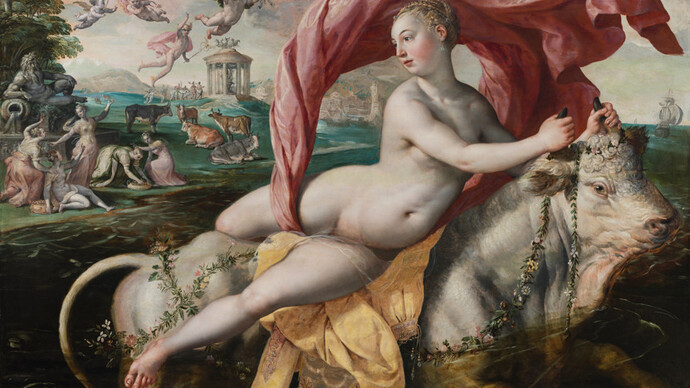
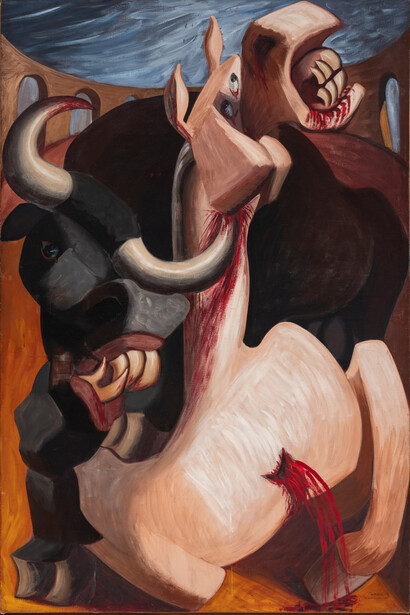
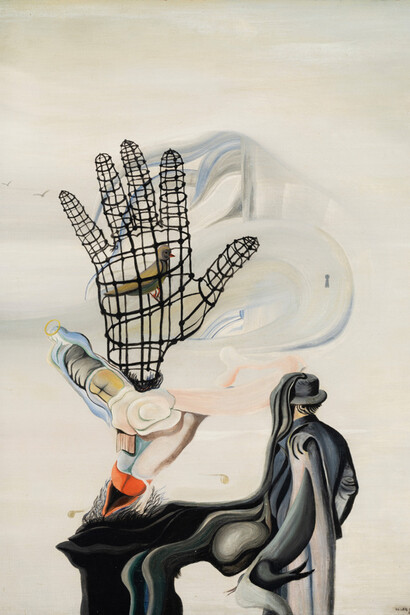
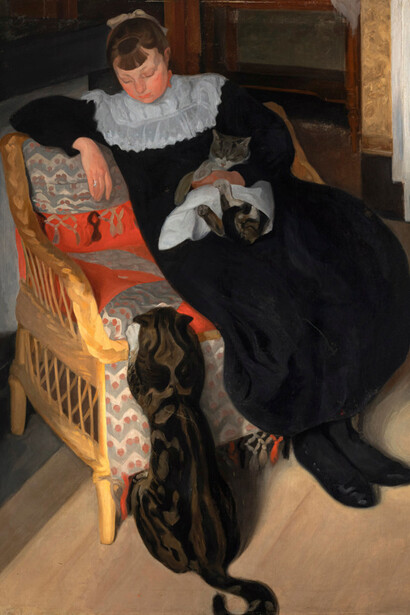
Art has often looked to animals for answers to what it means to be human; rather than being an object of study or consumption, animals have served as a conduit for symbols and emotions for the artist. This exhibition brings together thirty-eight works from the museum’s collection—paintings, posters, photographs and metalwork—in which animals are not mere ornamentation, but the very heart of the work’s meaning. Over the course of five centuries, these creatures move between myth and history, embodying a dignity that challenges our own hierarchies. This collection of animals invites us to discover that, through the eyes of each artist, the animal ceases to be merely nature and becomes a form of shared culture and memory; observing the beast is, in reality, a way of peering into our own history and the way in which we understand the world.
Spanning a wide range of artistic periods and mediums, the exhibition highlights the many roles animals have played in human imagination. Whether depicted as symbols of power, freedom, spirituality or fragility, these figures reflect the values, beliefs and concerns of the societies that created them, revealing a long and evolving relationship between humans and the natural world.
Rather than offering a purely descriptive view, the works encourage visitors to reflect on the place of animals in collective memory and cultural expression. Through this dialogue between art and nature, the exhibition shows how animal imagery continues to provide a powerful lens through which to explore identity, history and the human condition.