English
 Español
 Français
 Deutsch
 Italiano
 Português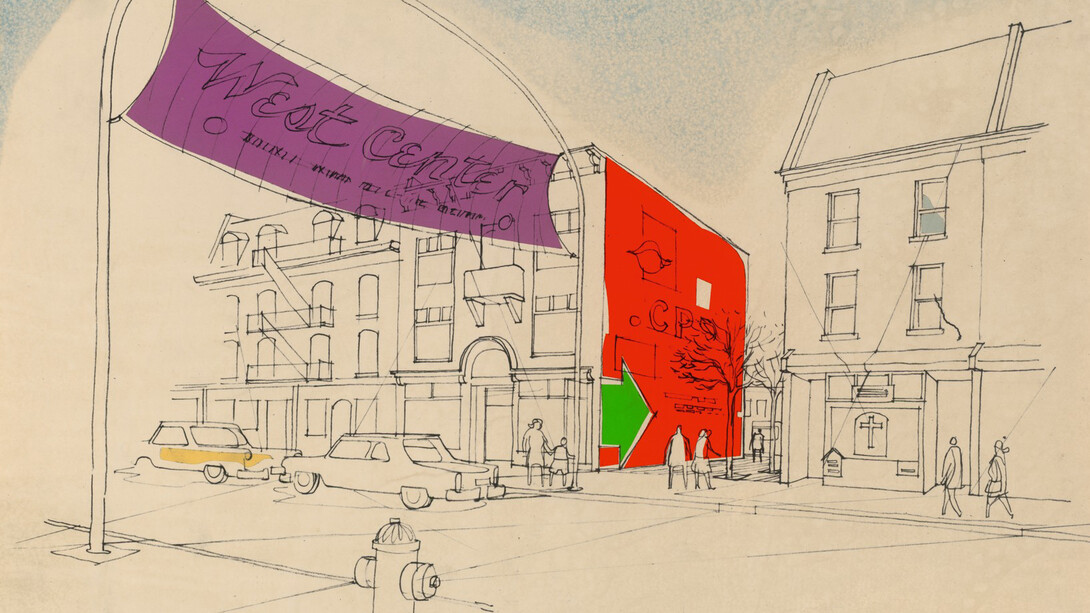
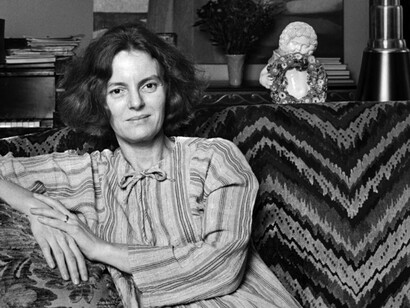
Denise Scott Brown (Nkana, Zambia, 1931) is one of the most prominent architects from the second half of the twentieth century. A traveller, photographer and activist, after graduating in Johannesburg she furthered her studies in London and Rome. To complete her training, in 1958 she moved to Philadelphia, where she met Robert Venturi (1925–2018), with whom she shared her life and profession. Together they had intense careers in theory, teaching and professional practice that incorporated urban design and popular culture into architectural design.
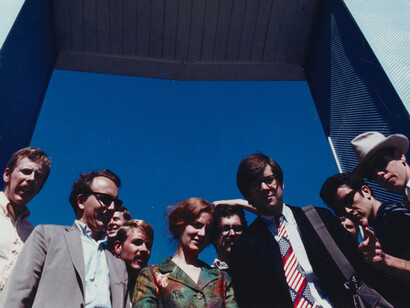
One of her most influential books is Learning from Las Vegas (1972), a revolutionary critical essay she wrote with Venturi and Steven Izenour that brought American pop culture and cars into the fold of architecture.
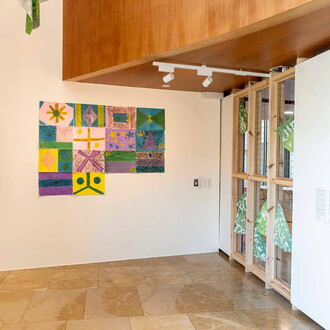
The exhibition will be the first major retrospective held on the architect focusing exclusively on her. Curated by the architects Maria Pia Fontana and Miguel Mayorga and organised into three sections—city, street, house—it will display from a hundred works (drawings, photographs, posters and scale models) made by Scott Brown and her partners for the first time with the goal of showcasing her enormous contribution to contemporary visual culture. The show will include around twenty artworks and furnishings from the architect’s private collection (by Ed Ruscha, Roy Lichenstein, Andy Warhol and others).
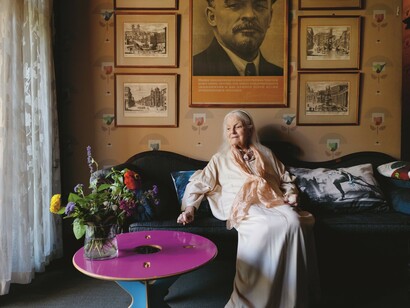
Scott Brown’s voice will be a part of the exhibition thanks to a thirty-minute documentary produced by the museum and directed by Manuel Asín and Pablo García Canga. It contains Scott Brown’s reflections along with images of her house in Philadelphia. This film is a double portrait made up of the architect’s home and words, conveying her thinking in both form and content.
Recognition of Denise Scott Brown has been systematically ignored for too many years, as she has been relegated to the shadows of her partner and husband. Her iconographic proposals, which are clearly connected to art, had a major impact on architecture and design in the second half of the twentieth and early twenty-first centuries. Learning from Las Vegas shattered the language of the profession and allowed a new light to enter that would go on to change the methods of analysis and codes used by contemporary architects.