English
 Español
 Français
 Deutsch
 Italiano
 Português
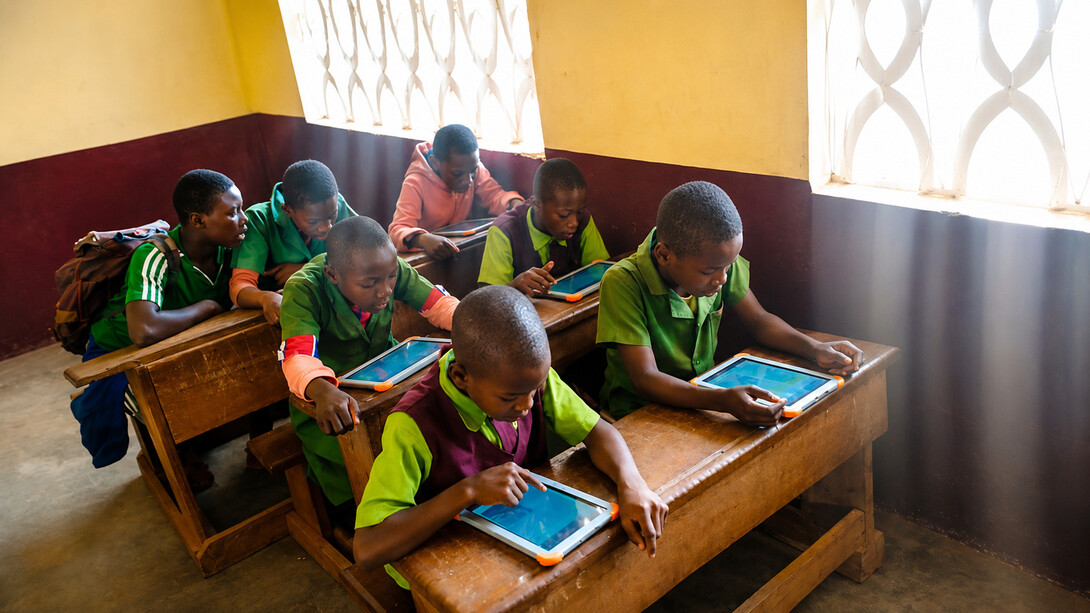
Artificial Intelligence (AI) is no longer a futuristic concept—it is actively transforming education systems around the world. In developing countries, where challenges such as limited resources, teacher shortages, and unequal access to quality education persist, AI is emerging as a powerful tool for change. While its impact is not without complications, AI is helping to bridge educational gaps, expand access, and redefine how learning takes place.
One of the most significant contributions of AI is its ability to make education more accessible. In many developing countries, access to quality teachers and learning materials is uneven, particularly in rural or underprivileged areas. AI-powered tools can deliver lessons, explanations, and tutoring support through smartphones and computers, reducing dependence on physical infrastructure. This is particularly important in regions where schools are overcrowded or underfunded. By using relatively low-cost digital platforms, students can now access resources that were once unavailable to them.
Another transformative aspect of AI is personalised learning. Traditional education systems often follow a “one-size-fits-all” approach, which can leave some students behind while others are not sufficiently challenged. AI systems can analyse a student’s progress, identify strengths and weaknesses, and adapt content accordingly. This allows learners to move at their own pace and receive targeted support. Research shows that such personalised approaches improve engagement and learning outcomes, especially in environments where individual attention from teachers is limited.
AI is also helping to address the shortage of qualified teachers, a major issue in many developing nations. Intelligent tutoring systems and AI assistants can support teachers by handling repetitive tasks such as grading, lesson planning, and content generation. This enables educators to focus more on mentoring and interactive teaching. In some cases, AI tools are even being used to train teachers, offering guidance on pedagogy and classroom management. Studies in countries like Pakistan and Sierra Leone show that teachers are increasingly open to using AI tools, reporting improvements in efficiency and student engagement.
In addition, AI is improving the scalability of education systems. Developing countries often struggle to expand education quickly enough to meet growing populations. AI allows educational content to be distributed widely without a proportional increase in cost. For example, a single AI-powered platform can serve thousands—or even millions—of students simultaneously. This scalability makes it easier for governments and organisations to reach underserved populations and improve overall literacy and skill levels.
AI is also playing a key role in enhancing digital literacy and preparing students for the future workforce. As economies increasingly rely on technology, students need skills such as critical thinking, problem-solving, and digital competence. Exposure to AI tools in education helps students become familiar with emerging technologies, making them more competitive in the global job market. In fact, developing countries are already seeing growth in AI-related job opportunities, indicating a shift toward more technology-driven economies.
However, the integration of AI in education is not without challenges. One major concern is the digital divide. While AI has the potential to democratise education, its benefits depend on access to reliable internet, devices, and electricity—resources that are still limited in many regions. According to global data, internet usage in lower-income countries remains significantly lower than in wealthier nations, which can hinder the widespread adoption of AI-based learning tools.
Another challenge is the risk of over-reliance on AI. Critics argue that excessive dependence on AI tools may reduce students’ ability to think critically and solve problems independently. Recent discussions in countries with rapid AI adoption highlight concerns that students may use AI to complete tasks without fully understanding the material. This could weaken foundational learning if not addressed properly.
There are also concerns about inequality at a global level. While AI can help developing countries leapfrog traditional barriers, it may also widen the gap between nations that can effectively implement AI and those that cannot. Wealthier countries still dominate AI development, infrastructure, and investment, which can limit the ability of poorer nations to fully benefit from the technology.
Despite these challenges, the potential of AI in education remains immense. The key lies in responsible and inclusive implementation. Governments, educators, and policymakers must invest in digital infrastructure, teacher training, and ethical guidelines to ensure that AI is used effectively. Efforts should also focus on developing AI tools that reflect local languages, cultures, and contexts, making them more relevant and accessible to diverse populations.
Furthermore, collaboration between governments, technology companies, and international organisations is becoming increasingly important in maximising the benefits of AI in education. Public-private partnerships can help provide affordable digital tools, expand internet access, and develop educational content tailored to local needs. Such cooperation ensures that technological innovation supports inclusive growth and creates more equitable learning opportunities for future generations.
In conclusion, AI is reshaping education in developing countries by improving access, personalising learning, supporting teachers, and expanding educational reach. While obstacles such as infrastructure gaps and ethical concerns remain, the overall impact of AI is largely positive. If implemented thoughtfully, AI has the potential to transform education systems, empower learners, and contribute to long-term social and economic development.