English
 Español
 Français
 Deutsch
 Italiano
 Português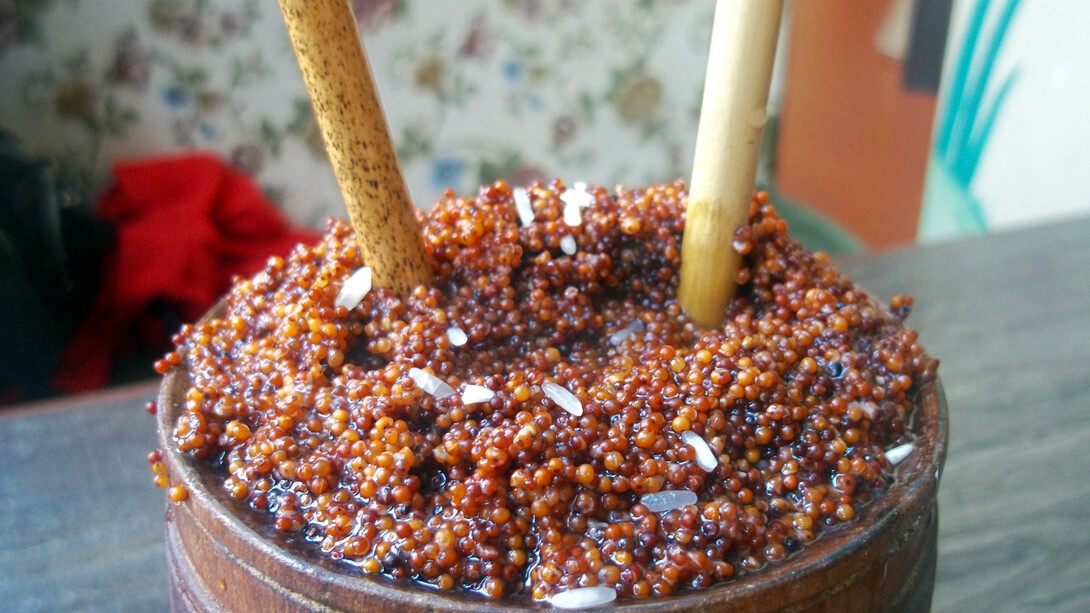
The steam is rising off the top of this wooden vessel like a prayer reaching for the low, soot-stained ceiling of the tavern, and if my handwriting seems a little loose or my thoughts a bit meandering, you will have to forgive me. I am currently on my third refill of hot water, and the Tongba has done what Tongba always does: it has softened the edges of the world. It is cold outside, a biting Himalayan chill that gnaws at your bones and turns your breath into clouds of frost, but here, huddled in the corner of this dimly lit bhatti, everything is warm. The wood of the table is warm, the laughter of the strangers at the next table is warm, and the heavy brass-banded pot in my hands is radiating a heat that seeps straight into my chest. This is not just a drink. If you treat Tongba like a drink, you are missing the point entirely. Tongba is a shelter.
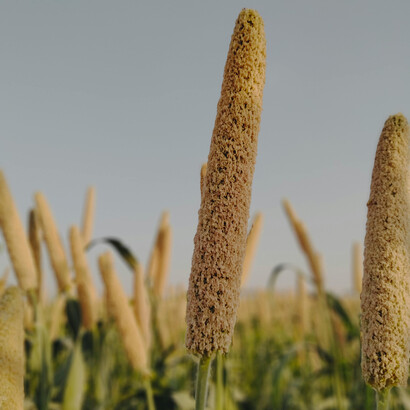
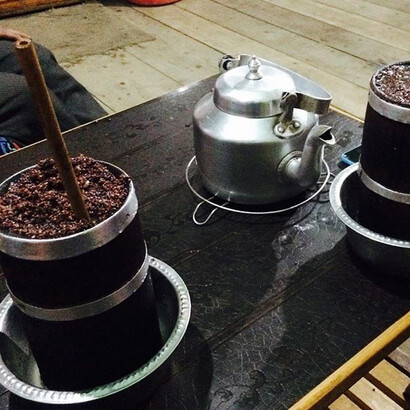
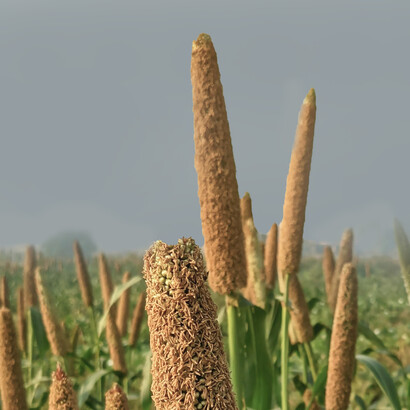
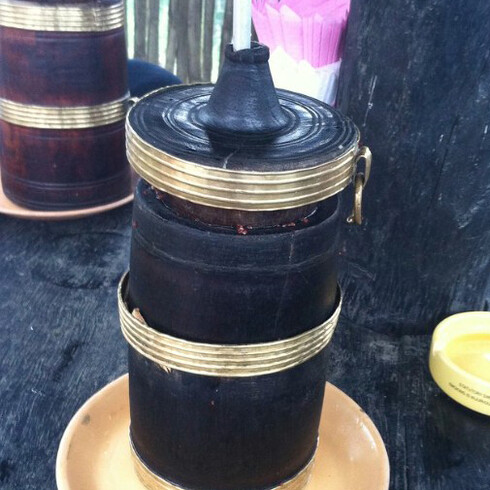
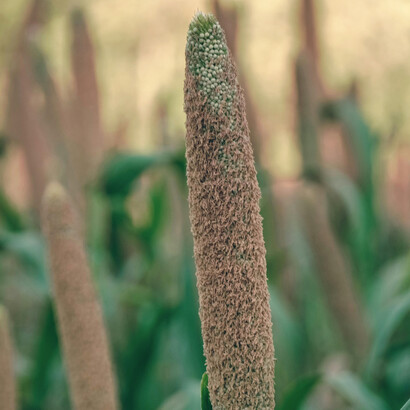
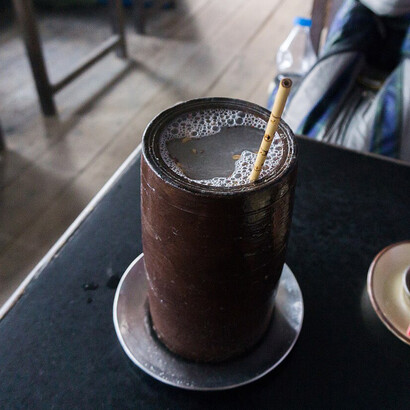
I remember the first time I saw one of these vessels; I was confused by the mechanics of it, but now, sitting here with the bamboo straw resting against my lip, it feels like the most natural way to consume alcohol ever invented. The vessel itself, the tongba, is a masterpiece of functional art, carved from wood and darkened by years of use, looking less like a cup and more like an ancient artefact. Inside, it is packed to the brim with fermented millet, grains that have been boiled, cooled, mixed with murcha—the magic starter yeast—and left to sleep in baskets until they turned this deep, earthy purple. They smell ripe, with a funky, yeasty aroma that reminds me of sourdough starter and damp autumn leaves. When the didi who runs this place brought it to my table, she didn't just hand me a drink; she initiated a ritual. She poured boiling water from a battered aluminium kettle directly onto the grains, and then she walked away.
That is the first lesson Tongba teaches you, and perhaps the most important one: patience. You cannot rush this. If you sip too early, all you get is hot water and a burnt tongue. You have to sit there, watching the steam curl up, waiting for the alchemy to happen. You have to let the hot water seep into the fermented grains, waking them up and coaxing out the alcohol and the flavour. It is an exercise in restraint. In a world where we demand instant gratification, where we take shots of tequila to feel something right now, Tongba forces you to slow down. You sit. You rub your hands together for warmth. You look around the room. You listen to the low murmur of conversations in Nepali, Limbu, and English, a tapestry of voices bound together by the shared understanding that we are all here to hide from the cold.
When the moment is finally right—usually after a few minutes, when the smell becomes rich and alcoholic—you lean in. You don't tip the cup; you bow to it. You take the pipsiri, that genius bamboo straw with the perforated bottom that acts as a filter, and you draw the liquid up. The first sensation is heat, shocking and immediate, but it is quickly followed by the flavour, and oh, what a flavour it is. It is not harsh like whisky or crisp like beer. It is milky, sour, and incredibly savoury. It tastes like the earth it came from. There is a nuttiness to the millet, a tang that hits the sides of your tongue like a good yoghurt or a farmhouse cider, and underneath it all, a subtle sweetness that masks the potency of the alcohol. It warms you from the inside out, a slow-burning fire that starts in your belly and slowly creeps up to your ears.
As I drink, I find myself staring at the grains floating on the surface, thinking about the hands that made this. This is the heritage of the Limbu people, a gift from the Kirat culture of Eastern Nepal. It is a drink born of necessity and ingenuity. In the high hills where rice struggles to grow, millet thrives. They took a humble, hardy grain and turned it into something that brings people together. I am told that in the villages, Tongba is not just for getting drunk; it is a symbol of respect. It is what you offer a guest to show them they are welcome. It is what you serve at weddings to bind families together. Sitting here, thousands of miles from the corporate glass buildings of the city, I feel that respect. I feel connected to a lineage of drinkers who have sat around fires just like this one, holding vessels just like this one, for hundreds of years.
The magic of Tongba, however, is not in the first cup. It is in the refill. This is the only drink I know that regenerates. I have finished the liquid in my vessel, or at least I think I have—the sucking sound of the straw tells me I’ve hit the bottom. I signal the didi, and she returns with the kettle. She pours more boiling water over the same grains. This is the second steep. The flavour profile changes now. It is slightly less sour, mellower, and more integrated. The alcohol is still there, perhaps even more potent now that the heat has fully penetrated the millet. This cycle repeats itself. Third steep. Fourth steep. With every pour, the drink evolves, and so does the night. You don't order another round; you just extend the current one. It creates a sense of continuity. You aren't counting drinks; you are measuring time in kettles of water.
I ordered a plate of Sukuti earlier—dried buffalo meat fried with onions, tomatoes, and chillies—and the pairing is nothing short of divine. The meat is chewy and spicy, demanding a lot of work from your jaw, and the hot, sour Tongba washes it down perfectly, cutting through the grease and the heat of the chilli. It is food that fights back, accompanied by a drink that soothes. I chew on a piece of tough, smoky meat and take a long pull from the straw, and I realise that I am completely happy. There is no pretence here. There is no fancy plating, no cocktail umbrellas, and no mixologist explaining the "notes" of the beverage. There is just grain, water, fire, and time.
The room is getting hazier now, or maybe that’s just my eyes. The alcohol in Tongba is deceptive. Because you are drinking it warm, and because the volume of liquid is high, you don't feel the "hit" in the way you do with spirits. It creeps up on you. It is a "body high", a heaviness that makes your limbs feel relaxed and your chair feel like the most comfortable object in the universe. I look at my notebook and see my handwriting slanting downwards. I am writing about the atmosphere, but I am becoming part of it. The group of men in the corner has burst into song, a folk tune that rises and falls with the clinking of glasses. I don't know the words, but I find myself humming along. Tongba breaks down barriers. It makes you want to talk to the person next to you. It makes you a philosopher.
I am thinking now about the sustainability of this joy. In a modern bar, you finish a glass, it is taken away, and you are left with an empty space until the next one arrives. Here, the vessel remains. The grains remain. You are never empty-handed. There is something psychologically comforting about that. You are the custodian of your own drink. You decide when to add water, how long to let it steep, and how fast to drink. You are an active participant in the process, not just a consumer. And because it takes time—because you have to wait for the steep—you cannot drink angrily. You cannot drink in a rush. Tongba demands that you be present.
It is getting late. The fog outside has pressed against the window panes, turning the world beyond the glass into a grey void. But inside, the kettle is whistling again. The didi is making her rounds, a guardian of the warmth. She catches my eye and points to my vessel, and I nod. Why not? One more steep. The night is young, or maybe it’s old—I have lost track, and frankly, I don't care. The grains swirl as the water hits them, dancing in the dark currents of the pot. I wrap my hands around the wood, feeling the heat recharge, and I prepare to wait. That is the beauty of it. The waiting is not an inconvenience; it is the destination. I am here, I am warm, and my cup is full. What else could a person possibly need?