English
 Español
 Français
 Deutsch
 Italiano
 Português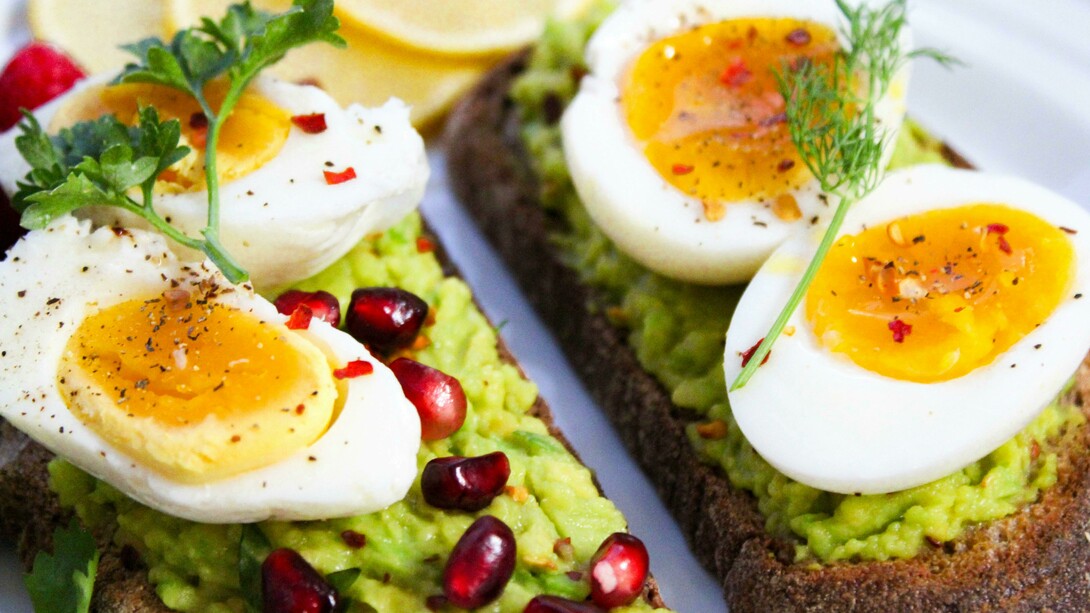
The food you eat can be either the safest and most powerful form of medicine or the slowest form of poison.
(Ann Wigmore)
In today’s fast-paced world, convenience often takes priority over nutrition. Grocery stores are filled with packaged meals, sugary snacks, and ultra-processed foods designed to save time but not always to support health. As awareness grows about the connection between diet and overall well-being, more people are embracing clean eating. Clean eating is not a strict diet or a temporary trend. It is a balanced, mindful way of nourishing the body with real, whole foods while reducing heavily processed products.
Understanding clean eating
Clean eating focuses on consuming foods in their most natural and minimally processed forms. This means choosing fresh vegetables, fruits, whole grains, lean proteins, and healthy fats over packaged items filled with artificial ingredients, added sugars, and preservatives. It is less about calorie counting and more about food quality. When you recognize and understand the ingredients on your plate, you are already moving toward a cleaner approach to nutrition.
The philosophy behind clean eating is simple: eat food that supports your body’s natural processes. Whole foods contain essential nutrients, fiber, and antioxidants that help maintain balance and vitality. By contrast, many processed foods are stripped of nutrients and loaded with additives that may negatively impact health over time.
The benefits of eating clean
One of the most noticeable benefits of clean eating is improved energy. Processed foods high in refined sugars and simple carbohydrates can cause blood sugar spikes followed by crashes, leading to fatigue and irritability. Whole foods digest more slowly and provide a steady release of energy throughout the day. When your body receives consistent, balanced nutrition, you feel more alert and focused.
Clean eating also promotes better digestion. Fiber-rich foods such as vegetables, fruits, legumes, and whole grains support healthy gut function. A balanced digestive system improves nutrient absorption and strengthens the immune system. Many people who shift to a cleaner diet report reduced bloating and improved regularity.
Another advantage is improved heart health. Lean proteins, healthy fats like olive oil and avocados, and nutrient-dense plant foods help manage cholesterol levels and reduce inflammation. Over time, these choices can support cardiovascular wellness and reduce the risk of chronic conditions.
Building a clean eating plate
Creating a clean meal does not require complicated rules. It simply involves choosing balanced, nutrient-rich components. Vegetables and fruits should make up a large portion of each meal. Their natural vitamins, minerals, and antioxidants protect cells and support overall health. Including a variety of colors ensures a broad range of nutrients.
Whole grains such as brown rice, oats, and quinoa provide sustained energy and essential fiber. Replacing refined grains with whole options is a simple yet powerful change. Lean proteins like chicken, fish, eggs, beans, and tofu help maintain muscle and repair tissues. Adding healthy fats from nuts, seeds, and olive oil enhances flavor while supporting brain and hormone health.
Hydration is another cornerstone of clean eating. Water is vital for nearly every function in the body, from digestion to temperature regulation. Choosing water over sugary drinks significantly reduces unnecessary calorie and sugar intake.
Reading labels and making smart choices
An important skill in clean eating is learning to read food labels. Many products marketed as “healthy” may still contain hidden sugars, artificial flavors, or preservatives. Checking ingredient lists and selecting items with simple, recognizable components can help you avoid unnecessary additives. The shorter and more natural the ingredient list, the better.
Cooking at home also supports clean eating. Preparing meals yourself allows you to control ingredients, portion sizes, and cooking methods. Grilling, baking, steaming, and sautéing with minimal oil are healthier alternatives to deep frying.
Avoiding extremes and finding balance
While clean eating encourages healthier choices, it should not become restrictive or stressful. Food plays an important role in culture, celebration, and enjoyment. Allowing occasional treats or indulgences helps maintain a balanced relationship with eating. The goal is consistency, not perfection. If most of your meals consist of whole, nourishing foods, occasional processed items will not derail your progress.
It is also important to listen to your body. Everyone’s nutritional needs are slightly different based on age, activity level, and health conditions. Clean eating should feel sustainable and supportive, not overwhelming.
A sustainable lifestyle choice
Clean eating is most effective when viewed as a long-term lifestyle rather than a short-term fix. Small changes, such as adding an extra serving of vegetables, switching to whole grains, or drinking more water, can make a significant difference over time. Gradual adjustments are easier to maintain and lead to lasting habits.
Ultimately, clean eating for humans is about returning to simple, natural foods that fuel the body efficiently. By focusing on whole ingredients, mindful preparation, and balanced choices, you create a foundation for improved energy, stronger immunity, and overall well-being. It is not about chasing perfection but about making informed decisions that help you feel your best every day.