English
 Español
 Français
 Deutsch
 Italiano
 Português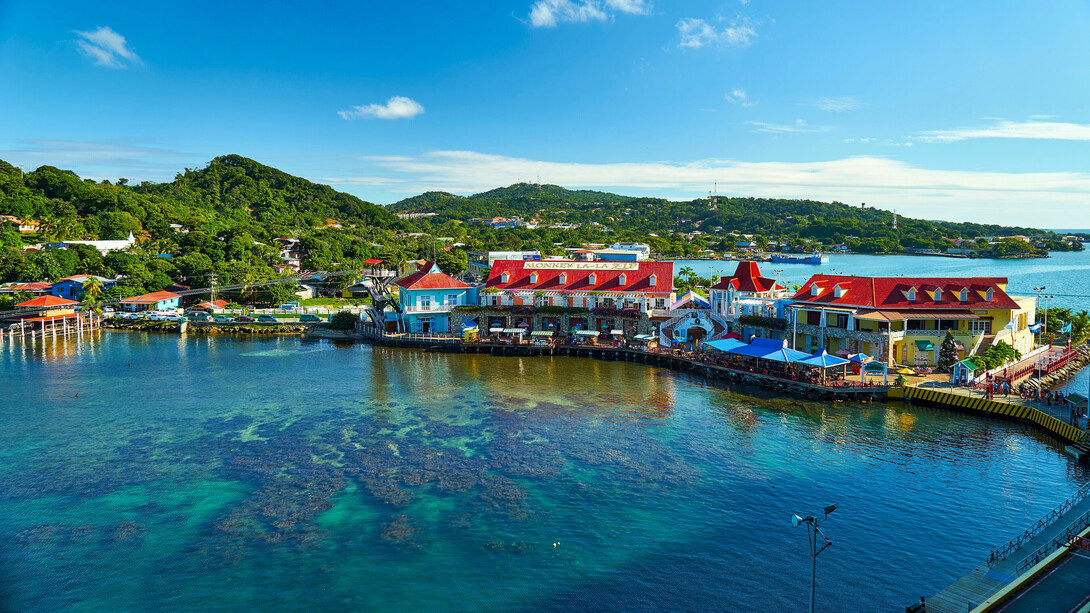
Honduras translates to “depths” in Spanish. Some say the name came from Christopher Columbus’s alleged quote, “Gracias a Dios que hemos salidos de esas honduras,” or “Thank God we have departed from those depths.” Sunny, prosperous Roatán, however, defies such sentiments.
The Republic of Honduras is a Central American country bordered by Guatemala, El Salvador and Nicaragua. It is one of the poorest countries in the Western Hemisphere and has been plagued by violence.
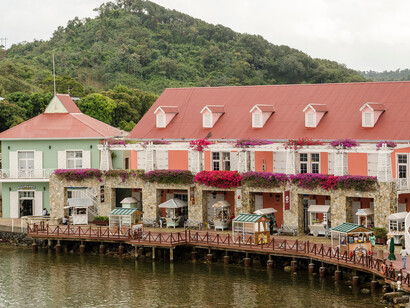
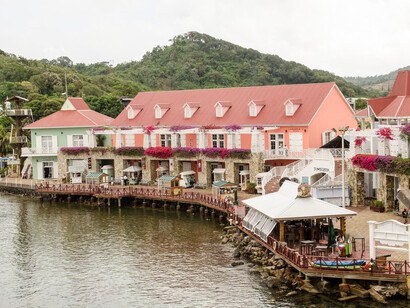
Its western Caribbean island of Roatán is a lush, slightly off-the-beaten-path getaway, with its own airport and upscale resorts, about 65 kilometers/40 miles off the northern coast of Honduras. Roatán and the surrounding Bay Islands were contested grounds for battles between the British and the Spanish crowns, though neither settled on Roatán permanently. Most of today’s Roatán residents came through migration from the Cayman Islands after the British abolished slavery there in 1838.
Spanish is the country’s official language, but English is widely spoken, especially on Roatán. Many Roatán islanders speak a Creole English, which is rooted in French, English and Spanish, as well as a few words unique to the Garifuna culture. The Garifuna people are a mix of people from West Africa, Carib Islands and Central Africa who came to Roatan fleeing slavery under Spanish and British rule. UNESCO proclaimed the Garifuna language, music and dance a Masterpiece of Intangible Heritage of Humanity in Honduras, Belize and Nicaragua.
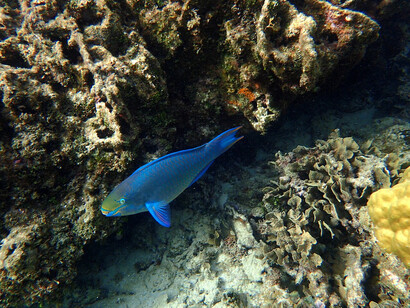
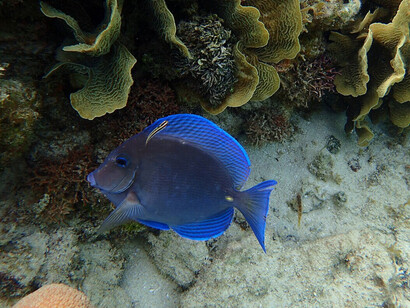
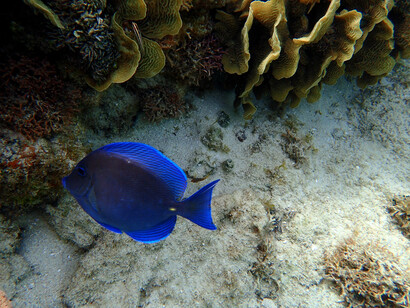
Roatán sits atop an ancient coral reef and the diving there is world-class. Roatán lies on the southern edge of the Mesoamerican Barrier Reef System, the second largest barrier reef in the world, making it a popular diving destination. Only Australia’s Great Barrier Reef is larger than the reef in Roatán’s surrounding waters. More than fifty percent of the tropical island is under forest cover.
Roatán is the focus of Honduras’ tourism industry, and is known for being safe and possessing quality dive training, to which I can attest. It also has white beaches and lush jungle. The island has a mountainous backbone and its terrestrial ecosystems on Roatán support an abundance of wildlife. Roatán lies outside the Atlantic hurricane corridor and only sees a hurricane at a rate of one every 26 years. There is direct airline service from the United States to Roatán.
Besides scuba or snorkeling in its beautiful blue waters, you can visit with sloths at the Sloth Sanctuary, swim with sharks at Cara a Cara, take a horseback riding tour at El Rancho Barrio Dorcas and hang with monkeys at the Carambola Botanical Gardens. The Carambola Gardens showcase the island’s rich biodiversity. At Carambola Mountain, hikers can visit Iguana Wall, a sheer cliff that protects the endemic iguana population and serves as a parrot breeding ground. Gumbalimba Park and the Blue Harbor Tropical Arboretum are also popular nature reserves on Roatán.
Street parties in centuries-old Punta Gorda area have traditional music, dancing and some of the island’s best Caribbean food. Ziplining, ATV and glass bottom boat riding and hydrobiking are also available.
For a unique experience, check out iSoar Roatán, a sailboat moored in Halfmoon Bay retrofitted with dive platforms, rope swings and rock climbing footholds. It sits in about 20 feet of water with a seagrass bottom and is free to the public. I observed it operating even during light rain.
Interestingly, Roatán does not have a formal address system. Instead, places are described by their proximity to landmarks and intersections. Knowing major landmarks like beaches, restaurants and hotels can help visitors navigate the island.
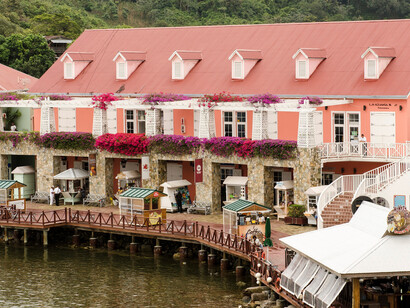
Resorts are abundant on Roatán. Anthony’s Key Resort, in operation for more than 50 years in Roatán, offers overwater and hillside bungalows across a private 11-acre key. The resort has a private lagoon, beach, pool and spa, and has diving and other adventures for every skill level. Yoga classes and weekly fiestas also take place at the resort. There is also a large dolphin reserve at a separate island at Anthony’s Key Resort, where guests can interact and swim with the friendly animals, who are allowed to leave the sanctuary but always return. A frequent boat shuttle ferries guests to the several islands that comprise the Resort.
The main currency used in Honduras is the Lempira. The Lempira is named for the Lenca warrior, Lempira, who led the resistance against foreign colonization efforts in the 1530s. Visitors generally will receive a better rate if they exchange their currency for Lempira, though the U.S. dollar is widely accepted. I exchanged no money while on Roatán, given the wide acceptance of U.S. dollars and credit cards.
While mainland Honduras has a reputation for violent crime, Roatán is protected because its economy is reliant on tourism. Visit Roatán for its unparalleled underwater scenery, white sand beaches, lush jungle, year-round good weather, a laid-back, friendly local culture and a wide array of outdoor activities.