English
 Español
 Français
 Deutsch
 Italiano
 Português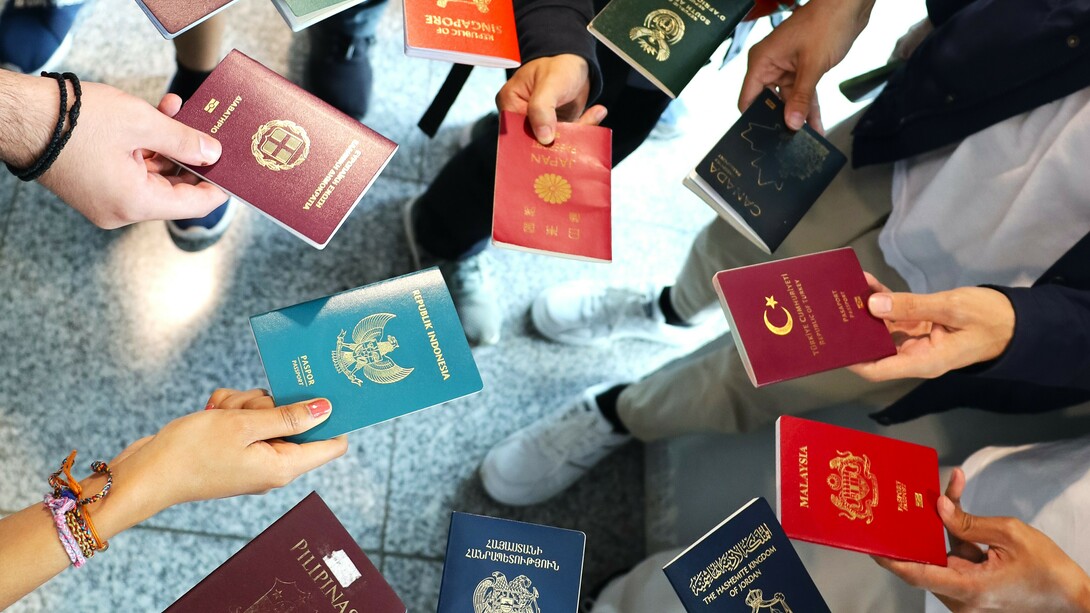
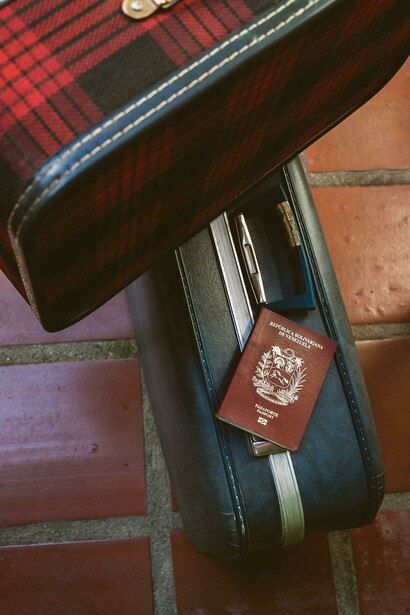
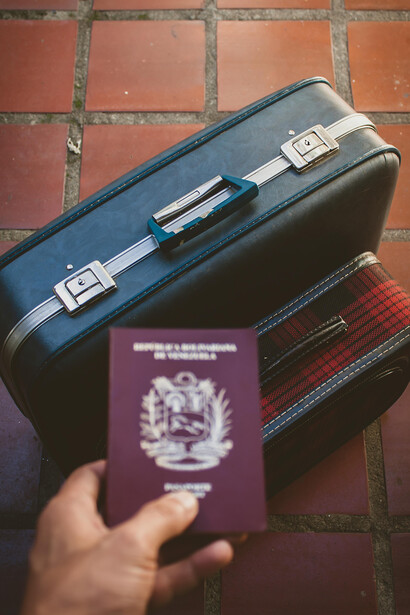
Your birthplace controls your freedom. Singapore citizens have access to 193 visa-free countries. Passport holders of Afghanistan have access to 30 countries. The obvious gap, which is approximately 163 countries. The place where you were born was not your choice. You are born trapped.
Afghanistan has the lowest power on passports. There are 29 visa-free destinations in Syria. Iraq has 29. Pakistan has only 31. Somalia gets 30. Hundreds of millions live in these countries. Their passports trap them. The gap keeps growing.
The U.S. paused immigrant visa processing. 75 countries got affected, including Afghanistan, Bangladesh, Nigeria, Pakistan, and Somalia as well. The stated reason? Public charge concerns. The guidance lets officers deny visas to people deemed likely to use public benefits. Age matters now. Weight matters. English proficiency. Past use of any government assistance.
Europe rejects half
The Schengen Zone covers 29 countries. One visa. Easy travel across Europe. If you have the right passport. Comoros faces a 61.3 percent rejection rate. Guinea-Bissau gets 51 percent rejections. Ghana sees 47.5 percent rejected. Pakistan hits 49.6 percent. Bangladesh gets 43.3 percent rejections.
Almost half of all applications get denied. After paying fees. After gathering documents. After waiting months. The visa fee costs around $100. In 2023, rejected Schengen visas cost applicants €130 million. African and Asian applicants. Money flowing from poor countries to rich countries. For nothing. No refunds.
In some African countries, $100 buys groceries. For 30 days. Or pays rent for a month. You spend it. You get rejected. You're poorer now.
Getting a visa costs money. It takes forever too. Want to visit the UK from Nigeria? Wait three months. Maybe longer. Want a U.S. visa from Pakistan? It could be one year for just an appointment. Could be more. Could be never.
And the highest visa refusal for these countries. Afghan applications to the U.S. face 48 percent refusals. Syrian applications? 47 percent. Somali applications? Around 70 percent.
You apply. You wait. You hope. Months pass. Then you get one word. No. No explanation. No appeal. No refund. Start over. Pay again. Wait again.
Visa officers have total power
Under U.S. immigration law, consular officers have sole authority. They approve or deny visa applications. They review your entire life in minutes. Your future depends on their decision.
In 2025, approval rates fell. Embassies became tough in screening processes. AI-powered pre-screening of applications.
They cite vague reasons. "Insufficient ties to home country." What does that mean? Nobody explains. No appeal process exists. No way to challenge decisions. No way to present more evidence. Accept rejection. Try again. Pay again.
Reforms introduced longer processing times. Extended surveillance. Visa processing takes months now. Technology exists to verify identities in days. Background checks run in weeks. The system ignores speed. Ignores fairness.
You want to study? Apply nine months early. Hope it processes in time.
You want family visits? Start a year ahead. Maybe you'll make the wedding. Maybe not.
You want conference attendance? Forget it. By the time it processes, it's over.
Rich country citizens book trips two weeks out. They show up. They enter. Easy.
Poor country citizens plan a year ahead. Pray the visa comes through. Often it doesn't. Cancelled flights. Wasted money. Lost opportunities.
The human cost is massive
Every visa rejection affects a real person. Someone with hopes. Someone with plans. Someone whose life got harder. Maybe they saved for years. Maybe they'll never get another chance. Maybe this was their only shot.
We see statistics. We see numbers. We see rejection rates.
Each number represents a life. A dream delayed. An opportunity lost. A connection severed.
High rates of rejection continue to be experienced in Nigeria, which is the most populous country in Africa. Burundi's political instability placed citizens at the top. Of U.S. visa rejection lists. Guinea faces a steady increase in visa refusals. Weak economic position. Low passport strength.
It hurts education. Students get scholarships. Can't get visas. Research collaborations die. Knowledge exchange stops.
It hurts medicine. Doctors can't attend conferences. Can't learn new techniques. Can't share expertise. Patients suffer.
When your passport becomes a prison
Talented young people live in Kabul. In Lagos. In Dhaka. They see opportunities online. Jobs they could do. Schools they could attend. Lives they could build.
They can't reach them. Their passports block them.
They watch from behind screens. Others live the lives they want. Others go places they dream about. Others do things they're capable of doing.
Their passport becomes their prison. Invisible bars. Real consequences.
We live in a connected world. The internet links everyone. Information flows freely. Ideas spread instantly. People with weak passports can't move. We say we value talent. We say we reward hard work. We say opportunity should be equal.
Our systems contradict these claims. Systems judge people by birthplace. Systems trap talent in poor countries. Systems waste human potential.
Brain drain by design
Visa denial affects access, opportunity, and freedom. High rejection rates create brain drain. Talented people can't travel legally. They either give up. Or risk everything on dangerous routes.
Doctors, engineers, teachers, and entrepreneurs get stuck. They want to learn. They want to contribute. They want to grow.
Their passport says no.
Meanwhile, rich countries complain about skill shortages. Germany needs creative workers. Belgium has to locate talent that has good problem-solving abilities. Canada is in search of talented immigrants.
The workers exist. The jobs exist. The visas don't.
Fourteen of twenty countries on emergency watch lists face restrictions. Countries are the most susceptible ones to humanitarian crises.
The Sudanese are facing the most massive humanitarian crisis in history. The Sudanese families are not allowed in. People fleeing war can't escape. People fleeing persecution can't find safety. People fleeing violence can't reach refuge. The world needs them gone. The world won't let them leave.
The reality check
We can do better. Measuring worth by passport color is cruelty. Dressed up as policy. The world is one place. People deserve fair treatment. People deserve dignity. People deserve reason.
We're failing millions of people. People who did nothing wrong. People born somewhere we decided doesn't matter.
Afghanistan passport holders face complete bans now. Nigerian students can't reach scholarships. Pakistani workers can't attend training.
Obtaining foreign visas from within Afghanistan is difficult. Many embassies have closed since the Taliban takeover. Passport prices rose dramatically. Broken bureaucracy. Increased demand.
These are the real barriers. Real suffering. Real injustice.