English
 Español
 Français
 Deutsch
 Italiano
 Português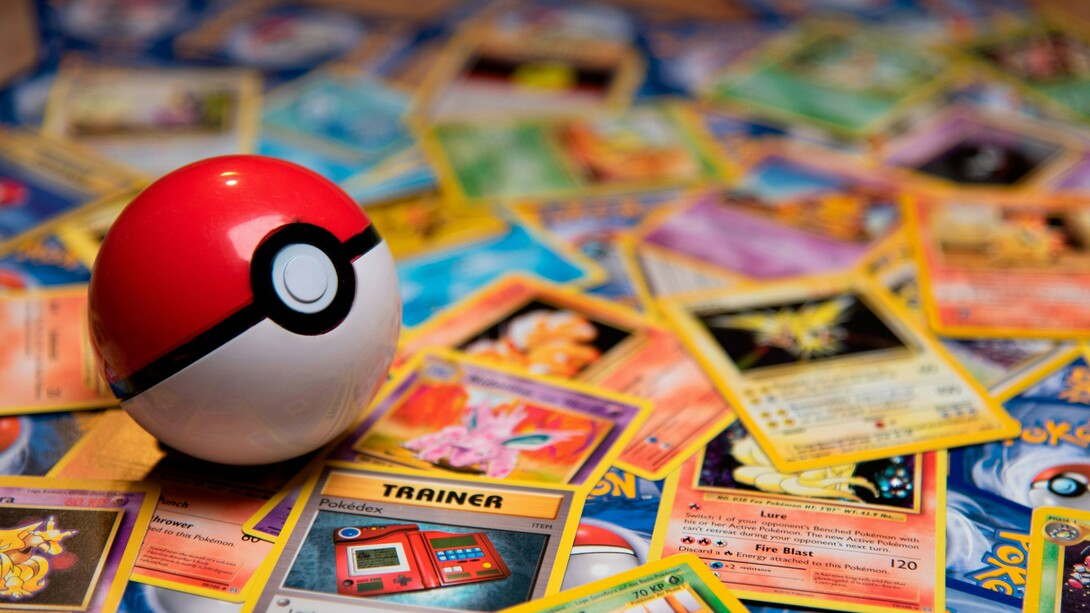
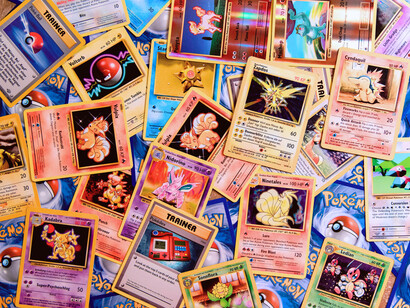
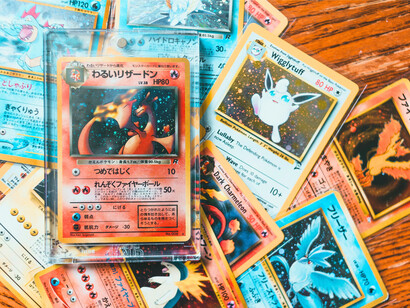
For many who grew up in the late 1990s and early 2000s, Pokémon cards were simply part of childhood: bright, glossy pieces of cardboard traded in school hallways, swapped on playground benches, or tucked carefully inside plastic binders. Kids chased after elusive holographic Charizards, fought mock battles during recess, and compared collections with a sense of pride and discovery.
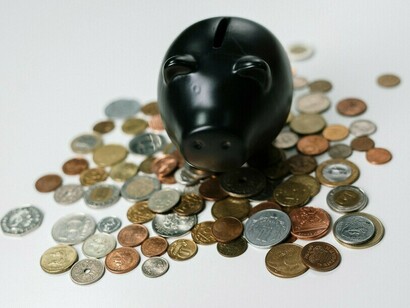
But in the last decade, that innocent pastime has transformed in ways few could have predicted. The same cards once traded for snacks or marbles have now become high-value assets, frequently auctioned for tens of thousands, sometimes even millions, of pesos. What was once a children’s hobby is now a recognised investment vehicle with its own market trends, grading systems, and collector strategies.
The rise of Pokémon cards as an investment class didn’t happen overnight. It grew from a combination of nostalgia, scarcity, economic behaviour, and cultural momentum. As millennials—the generation that first embraced Pokémon—entered adulthood and achieved greater purchasing power, they began to revisit the icons of their youth. Rediscovering their old collections or dipping into the hobby through social media, many realised that certain cards had become incredibly rare.
The earliest sets, printed between 1999 and the early 2000s, were never meant to survive decades. They were handled by children, damaged in school bags, and shuffled endlessly during battles. Because of this, finding early cards in excellent condition became increasingly difficult. This unintentional scarcity created the spark for a booming collectors' market.
Once grading companies like PSA and Beckett began assigning numerical condition scores and sealing cards in protective slabs, Pokémon cards stepped firmly into the realm of legitimate collectibles. Grading turned subjective opinions into quantifiable assessments, making it possible to track a card’s value more accurately.
A card graded as PSA 10, the highest score, could sell for exponentially more than an ungraded copy. A holographic card that might sell for a few thousand pesos when raw could fetch tens of thousands if graded in pristine condition. Grading provided confidence to buyers, authenticated cards in a world increasingly concerned about counterfeits, and established a standardised system that made Pokémon cards comparable to rare coins, vintage comics, or sports cards.
The global surge in Pokémon card investing became unmistakable during the late 2010s and early 2020s. Social media amplified every high-profile sale. A record-breaking auction for a first edition Base Set Charizard, a trophy Pikachu card selling for an amount comparable to fine art, and celebrity personalities publicly flaunting million-peso graded cards all contributed to a wave of excitement. What was once a quiet niche for devoted fans suddenly found itself in mainstream headlines.
The pandemic years accelerated this trend even further. With people stuck at home, digital content creators drove massive interest by streaming pack openings, hosting live auctions, and examining rare collections online. Nostalgia became both entertainment and opportunity.
But beneath the spectacle lies a deeper question: why did Pokémon cards become worth real money?
The answer begins with scarcity. Early cards, especially first edition Base Set prints, are extremely difficult to find in mint condition. The population reports published by grading companies show just how few PSA 10 copies exist for iconic cards. That scarcity naturally drives up value. But scarcity alone cannot explain the full market. There is also the emotional connection.
For many investors, buying Pokémon cards is more than a financial decision; it’s an expression of identity, a tribute to childhood memories, or a way to reconnect with simpler times. Nostalgia carries psychological weight, and when paired with disposable income, it becomes a powerful force.
Another driver of this investment trend is the evolution of alternative investing. In the last decade, people have become increasingly open to non-traditional assets. Sneakers, cryptocurrencies, NFTs, vinyl records, vintage toys, and sports memorabilia have all found investors willing to treat them as part of a diverse portfolio. Pokémon fits naturally into this landscape. It has a global fan base, a strong cultural legacy, and a clear system of value. The cards are tangible, displayable, and graded with professional standards, making them feel more structured than volatile digital assets.
The Pokémon market today is divided into two major segments: vintage and modern. Vintage cards—particularly those printed between 1999 and 2002—command the highest prices. Sets like Base Set, Jungle, Fossil, Team Rocket, and the Neo series are considered the “blue-chip” investments of the Pokémon world. These cards have historical importance and an extremely limited supply, especially in high grades. Collectors who invest in vintage cards generally do so with a long-term perspective. Prices may fluctuate, but the overall trajectory has been a steady rise fuelled by shrinking supply and sustained demand.
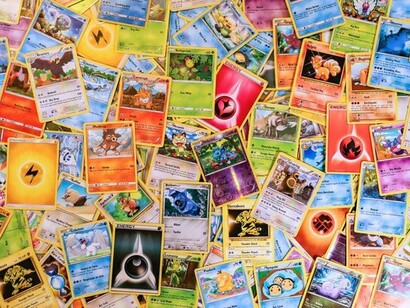
Modern cards, on the other hand, behave differently. They are driven by trends, artwork, character popularity, and pull rates. Full-art cards, alternate artworks, textured rarest, and limited-edition promos are particularly sought after. Speciality sets and Pokémon Centre exclusives often sell out instantly, only to reappear on resale markets at much higher prices. Modern cards offer quicker potential gains, especially when a new set becomes hot, but they also carry greater volatility. Unlike vintage cards, modern prints can be reprinted multiple times, making short-term scarcity unpredictable.
A distinct part of the modern investing landscape is sealed products. Booster boxes, Elite Trainer Boxes, and special collection sets often appreciate significantly once a product line goes out of print. Investors treat sealed boxes as long-term assets because unopened items preserve the possibility of containing rare pulls inside.
A sealed Base Set booster box from 1999, once sold for a few hundred pesos at retail, now commands millions. Even modern sealed boxes, especially those from beloved sets, can double or triple in price after they stop being printed. Many collectors see sealed items as the safest and most stable form of Pokémon investment, often comparing them to real estate because their supply only decreases over time.
Social media has played a significant role in making Pokémon into a modern investment category. Platforms like TikTok, YouTube, and Instagram have given collectors and sellers a global stage. Livestream pack breaks draw large audiences. Educational videos explain grading strategies, market cycles, and investment potential. Facebook groups and marketplace platforms offer local communities’ spaces for trade, authentication, and discussion. This digital ecosystem fuels both accessibility and transparency, making it easier for anyone, from seasoned investors, to acquire, evaluate, and sell cards.
Still, like any investment, Pokémon cards come with risks. Market volatility is one of the biggest concerns. Prices can drop sharply when hype fades or when reprints saturate supply. Counterfeit cards remain a growing threat, particularly for high-value items. Because card condition is incredibly sensitive, even a small scratch or print defect can mean the difference between a PSA 9 and a PSA 10, and that difference can translate to significant financial impact. There is also the issue of liquidity. Selling a high-end card may take time, especially in a market where collectors are selective and prices fluctuate. For these reasons, experienced collectors emphasise patience, knowledge, and buying from reputable sellers.
In the Philippines, the Pokémon card community has grown significantly. Card shops, tournaments, grading submission groups, and collecting communities flourish in Metro Manila, Cebu, Davao, Cagayan de Oro, and other cities. Filipino collectors have shown strong interest in both Japanese and English prints, with many favouring Japanese cards for their print quality and price accessibility. The local market mirrors international trends but retains a unique ecosystem driven by social media groups, local meetups, and increasingly knowledgeable hobbyists. As international prices rise, Filipino collectors have become adept at tracking global auctions, monitoring PSA population reports, and recognising long-term investment patterns.
Looking ahead, the long-term outlook for Pokémon card investing remains strong. Pokémon as a franchise continues to evolve, expand, and remain culturally relevant. Every new generation of players adds to the longevity of the brand. Vintage cards will only grow scarcer, and modern cards, especially limited releases and standout artworks, will develop their own historical significance over time.
While speculative bubbles may inflate or burst periodically, the foundation of demand, nostalgia, community, cultural relevance, and collector psychology appears stable.
Ultimately, the transformation of Pokémon cards from schoolyard collectibles to portfolio-worthy investments reflects more than just economics. It reflects the power of stories, memories, and shared culture. For some, Pokémon cards are a profitable venture. For others, they represent a bridge between past and present. And for many, they are both a reminder that the small joys of childhood can evolve into meaningful assets in adulthood.
As long as Pokémon continues to capture imaginations around the world, its cards will continue to carry value—emotional, cultural, and financial—for generations to come.