English
 Español
 Français
 Deutsch
 Italiano
 Português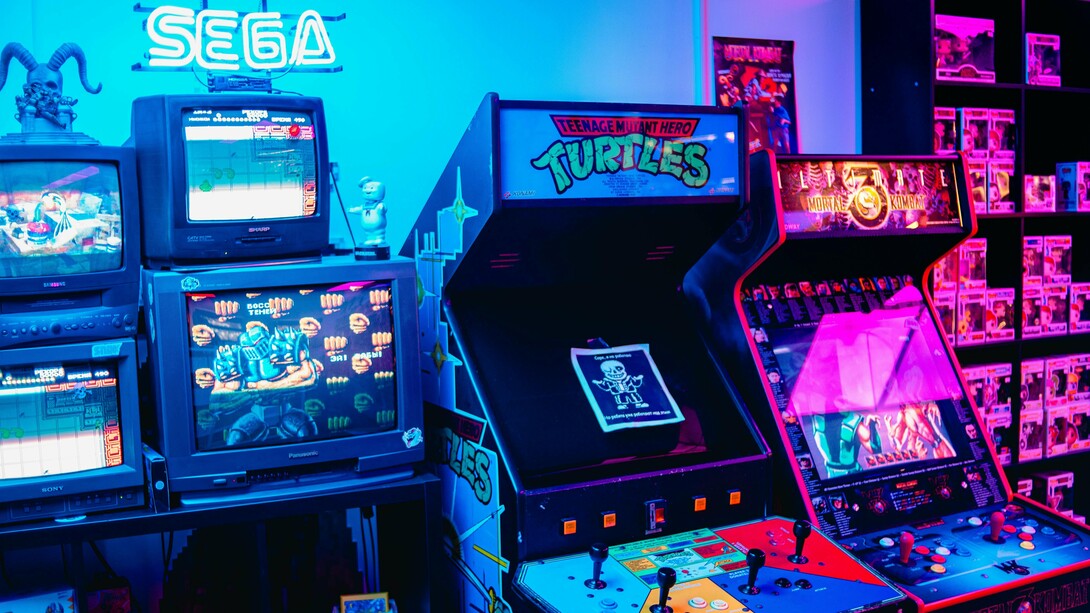
In a world dominated by hyper-realistic graphics, cloud gaming platforms, and multi-billion-dollar esports tournaments, it would seem logical that the consoles and games of the past would fade into irrelevance: relics appreciated only by hobbyists and nostalgia collectors.
Yet the opposite has happened. In the last decade, retro gaming has transformed into one of the most unexpected and steadily growing alternative investment markets. From limited-production consoles to factory-sealed cartridges now fetching five- to six-figure auction prices, old video games have crossed over from childhood keepsakes to serious portfolio assets.
What was once stuffed in dusty boxes or sold for a few pesos at garage sales has now become a global commodity attracting investors, collectors, and even hedge fund attention.
The rise of retro gaming as an investment is closely tied to the broader cultural trend of nostalgia economics. Millennials, now adults with disposable income, grew up in the golden age of Nintendo, Sega, and PlayStation. As this generation moves into its prime earning years, it has begun to repurchase the artefacts that shaped its youth. For many, the desire to own the console they could not afford as children is powerful enough to create real market demand. Economists call this phenomenon the “nostalgia premium", a value driven not by practicality but by emotional resonance. When applied at scale, nostalgia becomes a market force, pushing up prices and turning ordinary items into coveted collectibles.
Auction houses have been among the clearest indicators of the sector’s explosive growth. In 2021, a sealed copy of Super Mario 64 sold for an astounding USD 1.56 million, briefly setting a world record for a video game. While many experts have debated whether this peak was inflated by speculative buying, the sale undeniably placed retro games on the map for mainstream investors.
Earlier, rare early-run prints of The Legend of Zelda, Pokémon Red, and Metroid also broke six-figure thresholds. These headline-grabbing transactions encouraged more people to look through their old collections or scout online marketplaces, hoping to find the next diamond in the rough. Although the market has stabilised since its pandemic-era boom, prices across many categories remain significantly higher than they were just ten years ago.
One of the defining characteristics of retro gaming investment is its unique blend of cultural value and scarcity. Unlike modern digital titles, retro games exist in finite physical quantities. Many cartridges and discs have been lost, damaged, or discarded over the years, making well-preserved units increasingly rare.
Condition has become one of the biggest determinants of value. A loose cartridge without a box can be worth only a fraction of the price of a complete-in-box (CIB) version. Meanwhile, sealed units, particularly those graded by professional services like WATA or VGA, command the highest premiums. Investors now treat grading as essential, much like the system used for comic books, trading cards, or rare sneakers. A game rated 9.8 or higher can fetch exponentially more than an ungraded equivalent.
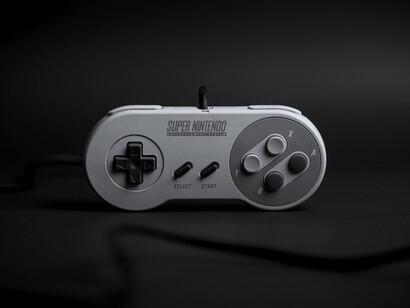
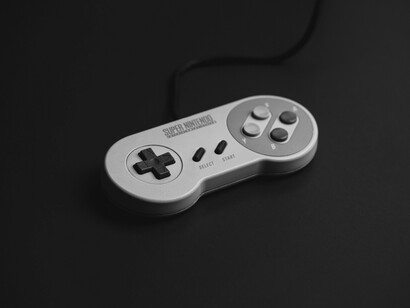
Retro consoles follow a similar trajectory. Systems like the original PlayStation, Sega Dreamcast, Super Nintendo Entertainment System (SNES), and the first-generation Game Boy have quietly appreciated in value as working units become harder to find. Limited-edition variants—such as the translucent N64 models or Japan-exclusive colourways—are considered particularly desirable.
The recent surge of modded and refurbished units also reflects growing demand: many buyers want not just display pieces but fully functional consoles to recreate the authentic retro experience. Shops that specialise in recapping capacitors, replacing ageing components, and restoring plastic shells are thriving, with refurbished units often reselling at premium prices due to their reliability.
While nostalgia drives much of the interest, the investment aspect is increasingly data-driven. Collectors today meticulously track price trends through platforms like PriceCharting, eBay’s sold listings, auction records, and specialised forums. Some use retro gaming not just as a hobby but as part of a diversified investment strategy—similar to how others might invest in sneakers, art, or vintage watches.
Analysts point out that retro game prices have shown relative resilience even during periods of economic uncertainty. Because the market is supported by passionate communities rather than speculative traders alone, demand remains more stable than one might expect.
However, retro gaming investment is far from risk-free. One of the biggest concerns is artificial inflation. In 2022, controversy erupted when some investors accused grading companies and auction houses of creating a speculative bubble by artificially hyping prices. Although such allegations remain a subject of debate, they highlight how small shifts in perception can significantly impact a niche market.
There is also the challenge of preservation: many older games and consoles were not built to last decades. Cartridges can develop corrosion, disc-based games suffer from disc rot, and early consoles grapple with failing capacitors. Storage conditions play a crucial role, and improperly maintained collections can quickly lose value.
Another factor complicating the market is the rise of re-releases and mini consoles. Companies like Nintendo, Sega, and Sony have capitalised on nostalgia by launching compact versions of their classic systems preloaded with games. Meanwhile, digital reissues on platforms like the Nintendo Switch Online service have made classic titles accessible to newer audiences. Some argue that these modern releases dilute demand for original copies; others believe they only heighten nostalgia and drive interest in owning the authentic versions. So far, the latter seems to be true. Genuine retro hardware continues to command strong interest, partly because collectors value the physicality, history, and imperfections of the originals.
Social media has also played a transformative role in shaping retro gaming as an investment. Platforms like TikTok, Instagram, and YouTube are filled with content creators showcasing their collections, restoration projects, and rare finds from flea markets and thrift stores. This visibility has turned retro collecting into a cultural phenomenon and a form of digital bragging rights.
For some buyers, owning rare consoles or games is not just a financial investment but a way to participate in a global community. Online groups dedicated to retro gaming now serve as marketplaces, appraisal hubs, and networking spaces where collectors exchange insights and trade pieces from across the world.
The Philippines has seen its own surge in retro gaming culture. Local sellers report heightened demand for consoles like the Family Computer, PS1, PS2, and Game Boy Advance, as well as nostalgia-driven purchases of games such as Tekken 3, Final Fantasy VII, and Super Mario World.
Facebook Marketplace, in particular, has become a hotspot for local trading, with prices varying wildly depending on condition and rarity. Speciality stores and pop-up booths—especially those that cater to retro toys, comics, and collectibles—have begun showcasing refurbished consoles and graded games as premium items. The trend reflects a broader regional wave across Southeast Asia, where the middle class is increasingly embracing nostalgia collecting.
For new investors, experts recommend starting with research rather than impulse purchases. Understanding print runs, variants, grading standards, and historical price data is crucial. Not all retro games appreciate in value; many titles produced in mass quantities may remain inexpensive for years. The most reliable investments tend to be early-generation games from iconic franchises or titles with limited releases. Horror games, for example, have gained significant traction due to their cult followings and smaller print numbers. Meanwhile, factory-sealed games, though expensive, remain the most stable long-term holds due to their scarcity.
Collectors also emphasise the importance of authenticity. Counterfeit cartridges and reproduction boxes are rampant in online marketplaces, especially for high-value titles. Some fakes are sophisticated enough to fool casual buyers. As a result, many investors choose to buy only from reputable sellers, use authentication services, or inspect circuit boards and packaging details. This layer of due diligence is part of what differentiates retro gaming as an investment from other collectibles: it requires both passion and technical knowledge.
Interestingly, the emotional nature of the hobby has both helped and hindered its evolution as an investment. On one hand, nostalgia ensures a dedicated demand base that is less likely to disappear suddenly. On the other hand, emotional decision-making can lead to overpaying or chasing trends that may not hold long-term value. Seasoned collectors advise approaching the market with both heart and head—buy items that bring personal joy but also make informed choices grounded in market research. The best investments often come from balancing passion with practicality.
Some analysts argue that the market will continue to grow as younger generations rediscover the charm of pixel art and early 3D graphics. Retro aesthetics have already influenced modern indie games, fashion, and digital art. With each passing year, consoles once considered “modern” transition into retro status, widening the pool of collectible systems. The PlayStation 3, Xbox 360, and Nintendo Wii, mainstays of the mid-2000s, are slowly entering the collectible conversation as nostalgia cycles evolve. This generational turnover suggests that the retro market may remain vibrant for decades, continually renewing itself.
The broader investment world has taken notice. Alternative asset platforms now allow fractional ownership of rare games, treating them like fine wine or luxury watches. Although still niche, this development underscores how far retro gaming has come from its humble origins. It also signals a maturing market, one no longer driven solely by hobbyists but by investors seeking unique and emotionally resonant asset classes.
Yet beneath the financial speculation, retro gaming’s true power lies in its cultural significance. These consoles and games represent a formative era in entertainment history—one that laid the foundation for today’s USD 180-billion global gaming industry. They are artefacts of technological experimentation, creative risk-taking, and storytelling innovation. Investing in retro gaming is not just about owning valuable objects; it's about preserving a digital heritage. For many collectors, every cartridge, disc, or console carries memories: the moment they first beat a final boss, the afternoons spent playing with friends, and the music that echoed through their childhood homes.
As retro gaming continues its ascent as a modern-day investment, the market stands at an intriguing crossroads. It is simultaneously a financial opportunity and a cultural movement—a blend of passion, nostalgia, and economics. Whether prices rise or stabilise in the years ahead, one thing is clear: the consoles and games of the past have found a new life in the present, not as obsolete relics but as prized treasures.
In an age obsessed with new technology, retro gaming proves that some of the most valuable things are the ones that once lived in our living rooms, glowing softly on CRT screens, pixel by pixel, shaping who we became.