English
 Español
 Français
 Deutsch
 Italiano
 Português
In a world of instant messages and disappearing stories, handwritten letters remind us that some stories deserve time, thought, and permanence.
The magic of ink and paper
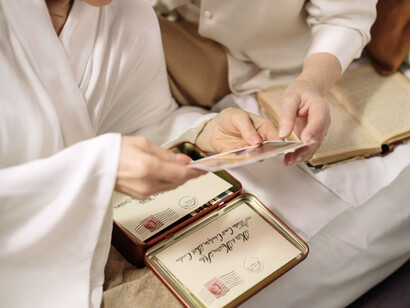
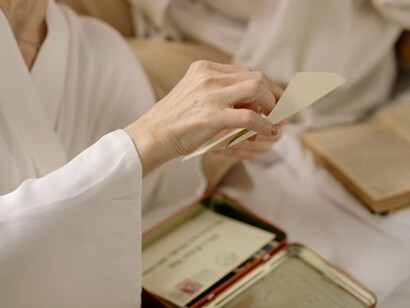
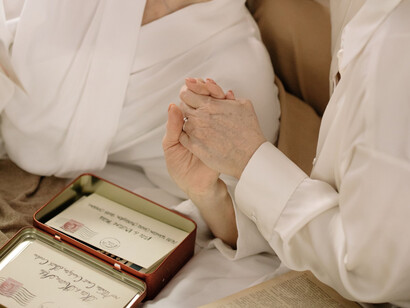
Remember the thrill of receiving a letter? Not a bill or a flyer, but a note that felt like it was written just for you. That quiet pause in your day when someone else’s words landed softly in your hands. There was an intimacy to it, a deliberate care that emojis and GIFs can’t replace.
Across cultures, letters were more than communication; they were vessels of identity, history, and memory. A love letter, a family recipe scribbled on the back of an envelope, or a friend's encouragement before a big exam – they carry more than words; they carry feelings.
Letters as cultural time capsules
In Kenya, for example, letters kept generations connected before WhatsApp or email existed. Students studying in Nairobi would send handwritten notes back home to their families in Kisumu or Mombasa. Each fold, each crease, became a part of the story.
In Japan, the art of tegami, handwritten letters, holds spiritual weight. People write letters not just to friends but to ancestors, expressing gratitude or reflection. Each stroke is intentional; each page is a meditation.
Even in Scandinavia, letters were key to preserving stories through long winters. In rural Norway or Sweden, families exchanged letters that became historical documents, preserving dialects, traditions, and local wisdom that otherwise might have been lost.
Why digital communication can’t replace it
Emails and instant messaging are convenient, yes. But they encourage brevity and speed, often at the cost of depth. A WhatsApp message can say, “I miss you,” but a handwritten letter explains why, recounts memories, and leaves room for reflection.
Digital messages vanish: screens crash, apps update, threads get buried. Letters endure. Some letters in archives are centuries old, still readable, and still resonant.
The act of writing by hand also changes the brain. Neuroscientists suggest that handwriting improves memory retention and emotional processing. There’s something about forming each letter, each word, that forces the mind to slow down and really think about the story you are telling.
Stories lost in the digital age
Consider the number of cultural stories that vanish today because we rely solely on digital communication. Family histories, recipes, rituals, and anecdotes often exist only in memory.
When a relative passes, these stories risk disappearing unless written down or recorded in some lasting medium.
In Africa, oral traditions have always been vital. But even oral traditions benefit from being paired with letters or written notes. A grandmother’s advice, captured in her own handwriting, becomes a bridge between generations, ensuring that her voice doesn’t fade.
Modern revival: letters with a twist
Despite the dominance of digital communication, letters are making a quiet comeback. Some schools in South Korea encourage students to write letters to pen pals abroad. Scandinavian adults participate in “letter exchanges” to slow down their fast-paced lives.
In Kenya, organisations encourage children to write letters to elders in hospitals or retirement homes. The purpose isn’t just communication; it’s connection. And for the writer, it’s a lesson in patience, reflection, and empathy.
Even business and creatives have embraced letter writing as storytelling. Personalised notes in marketing, subscription services, and even wedding invitations now lean into the tactile experience. People crave the permanence and authenticity that paper provides.
Letters as storytellers
Each letter carries more than words. The paper, the choice of pen, and even the little mistakes or smudges become part of the narrative. Stories told through letters are multidimensional: they hold emotion, intention, and context.
Think of the letters of famous writers or politicians. Letters from Nelson Mandela, Frida Kahlo, or J.R.R. Tolkien reveal not just facts but feelings, dilemmas, and personal worlds. These stories endure because someone took the time to write them by hand.
Bringing letters back into our lives
You don’t have to go full vintage, but consider integrating letter writing into your routine.
- Family letters: Send one handwritten note to a family member each month. Include memories, reflections, or even jokes only your family understands.
- Friendship notes: Instead of a text, mail a letter to a friend who lives far away. Share your day, your dreams, or a recent adventure.
- Self-reflection: Write letters to yourself. Reflect on your goals, your challenges, and the person you’re becoming. Store them in a journal to look back on in a year.
- Cultural preservation: Record recipes, rituals, or oral stories in handwritten form. These letters become heirlooms, preserving identity across generations.
Even a small gesture like a thank-you note for a colleague or a heartfelt note for a teacher reinforces the human connection that texts simply can’t.
Letters as bridges across time
The lost art of letter writing reminds us that stories need patience, care, and permanence. Letters bridge generations, preserve culture, and deepen relationships.
In a world where instant messaging dominates, taking time to write even a single letter becomes an act of cultural preservation. It’s a way to slow down, reflect, and leave behind something tangible, enduring, and human.
So, pick up a pen. Choose a piece of apparel. Write slowly, write honestly, and remember: some stories deserve to be told the old-fashioned way.