English
 Español
 Français
 Deutsch
 Italiano
 Português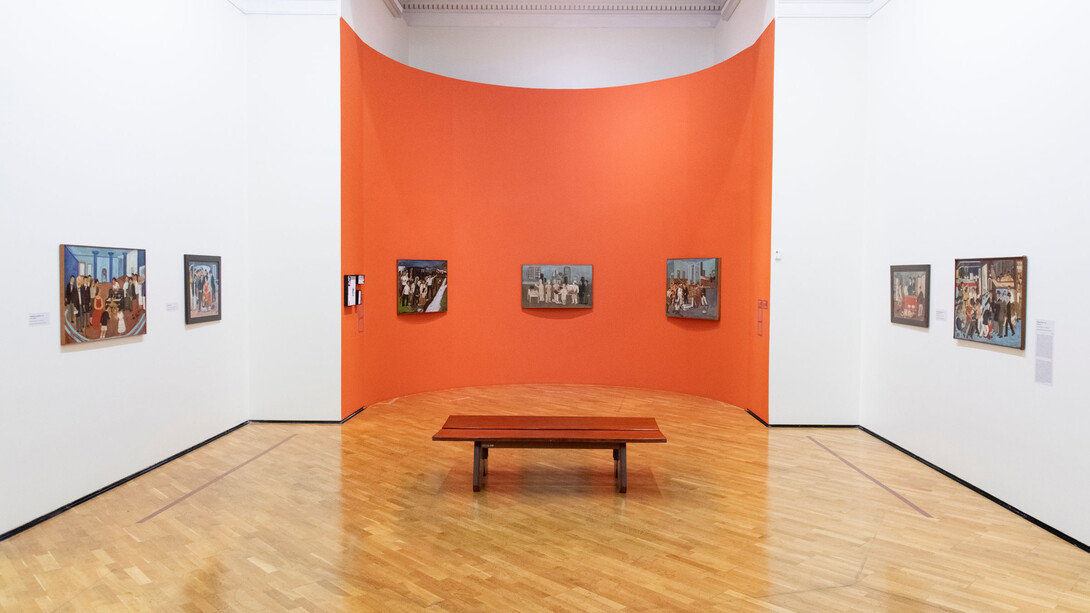
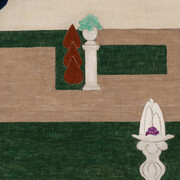
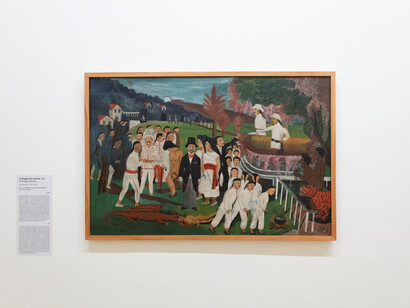
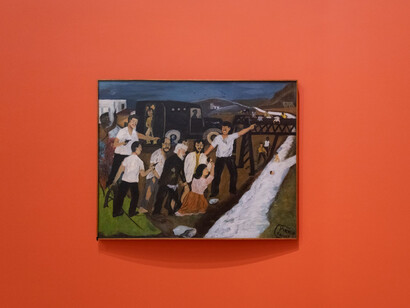
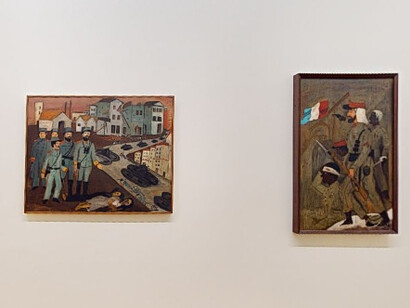
The first institutional exhibition of Paulo Pedro Leal (1894 – 1968), a self-taught Brazilian painter, presents the work of this artist who dedicated himself to the representation of scenes of wars and social conflicts, Umbanda rituals and rural landscapes, and whose life reflects various aspects of modernity in the country.
The exhibition brings together more than 50 paintings created between the 1950s and 1960s, a collection of works that demonstrate Leal's interest in the contradictions that structured the modernization process of Rio de Janeiro.
Paulo Pedro Leal spent years selling his works at Passeio Público, in downtown Rio de Janeiro. The artist identified himself as a "spiritual painter" and lived on the fringes of the institutional art circuit of the 20th century in Brazil, until in 1953 the art dealer and gallery owner Jean Boghici began to sell his works. His artistic production includes historical painting, landscape, still life, scenes of macumba (Afro-Brazilian religious practices), and urban life in Rio de Janeiro, created from observation of the world around him and contact with reproductions in books and periodicals.
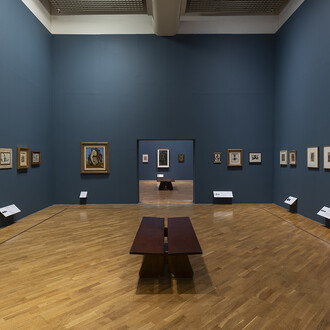
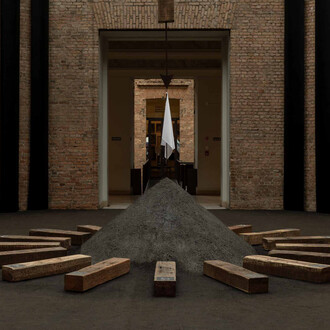
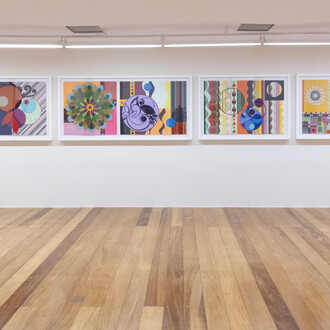
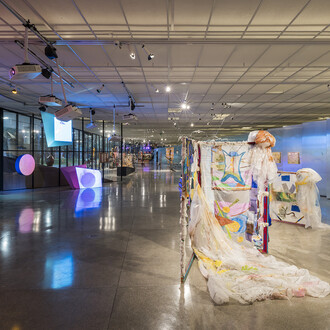
![Various artists, Histórias latino-americanas [Latin american histories], exhibition view. Courtesy of MASP](/attachments/2ec1b7615df2d9b9c3f211de14c70faefd850aea/store/fill/330/330/8481e63599516249cba60f15e188644bb76fc1eec25547e2c4b88b8f1c92/Various-artists-Historias-latino-americanas-Latin-american-histories-exhibition-view-Courtesy-of.jpg)