English
 Español
 Français
 Deutsch
 Italiano
 Português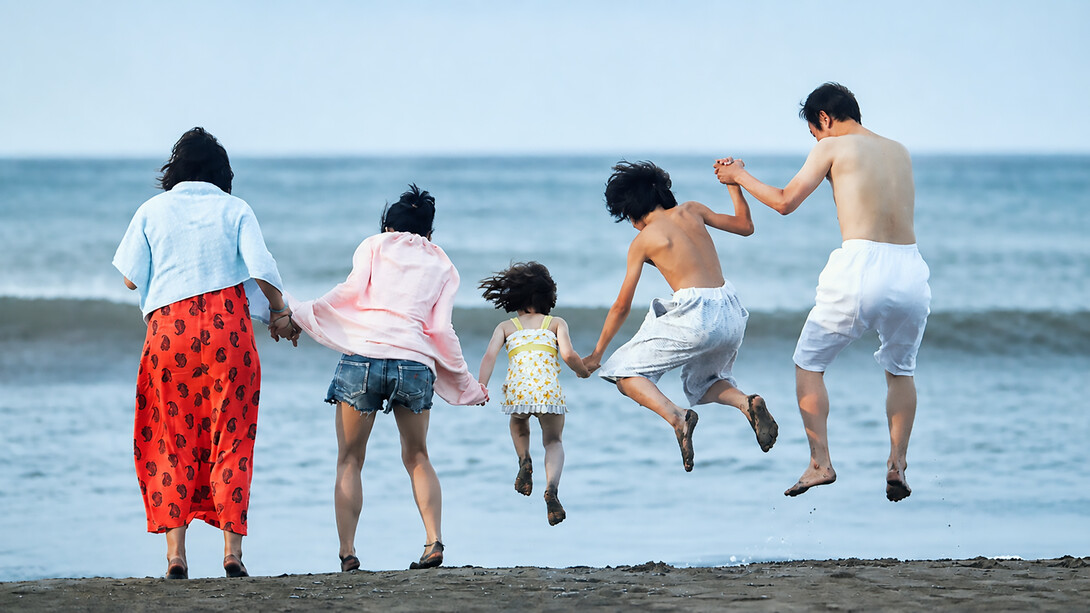
Japanese filmmaker Hirokazu Kore-eda is one guy who just won’t let us forget that life is mostly small moments of finding each other, holding on by our fingernails, and then watching things slip away. Kore-eda’s not a cynic. He’s not a sentimentalist either. He’s somewhere in the middle. In the kitchen. Making rice. Telling you it’s okay to cry over a stolen shampoo bottle. So here it is, five Kore-eda films ranked by how hard they hit me. Spoilers ahead, but come on. You’ve had years.
Broker (2022)
Kore-eda made this one in Korean, which was a new thing for him. It's about two guys who run a side hustle, finding black market adoptive parents for babies left in church drop-boxes. Which, on paper, sounds grim. In practice, it's actually kind of funny and warm and then, inevitably, devastating in the way only Kore-eda can manage.
Song Kang-ho is great in it. Everyone's great in it. The film takes a bunch of people who are technically doing something illegal and morally questionable and makes you love them completely before you've had a chance to think too hard about it. Classic Kore-eda move, really. Get yourself emotionally invested first; ask questions later. The ending hits. Not in a showy way. Just in a quiet, oh, way that stays with you longer than it probably should.
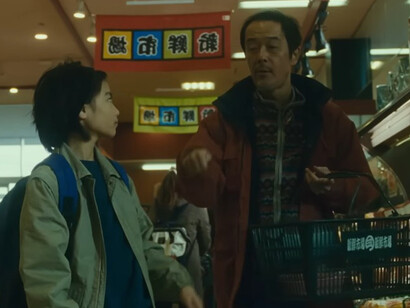
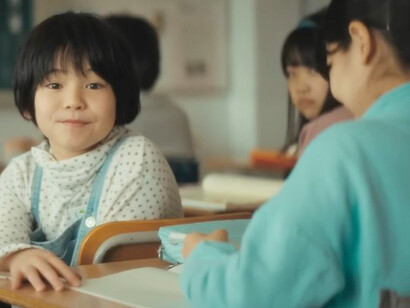
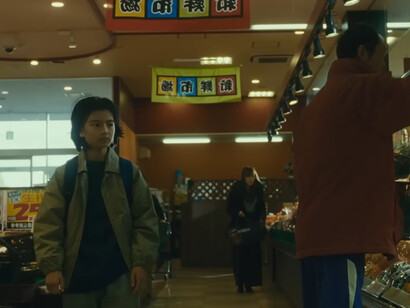
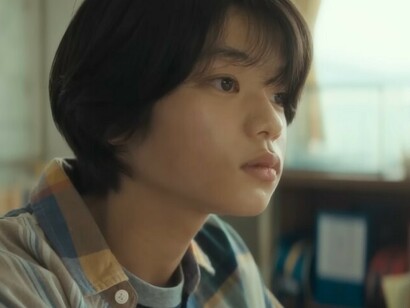
Monster (2023)
This one's structured in three parts, each one showing you the same events from a different angle. In the first part, you think you know what's going on. In the second part, you realise you had it completely wrong. The third part breaks your heart.
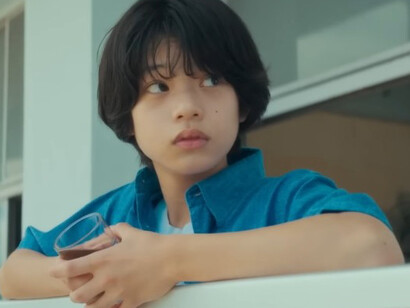
The third part is about two young boys and a friendship between them that neither of them has words for yet. Kore-eda films them with so much care and gentleness that it almost hurts to watch. The final image of the movie is beautiful and ambiguous, and I've thought about it more times than I can count since I saw it. The film is also quietly furious about institutions. Schools, families, social systems, and the way they grind down anything that doesn't fit neatly inside them. It doesn't lecture you about this. It just shows you and lets you feel it, which is worse.
Nobody knows (2004)
Okay. So. This one. Based on a real story from 1988, Nobody Knows is about four kids abandoned in a Tokyo apartment by their mother. The oldest is twelve. He tries to take care of his younger siblings by himself. The film is two and a half hours long, and almost nothing happens, and it is one of the most painful things I've ever watched.
Yûya Yagira, who plays the oldest boy, was fourteen when they filmed it and won Best Actor at Cannes, which makes total sense because his performance is extraordinary. He's playing a kid who's being asked to be an adult, and he's not quite either thing, and you feel that gap in every single scene. Kore-eda shoots it almost like a documentary. The apartment gets messier as the film goes on. Resources run out slowly. Everything deteriorates in this quiet, incremental way that sneaks up on you. By the time you register how bad things have gotten, it's already too late. For them and for you, kind of. I first watched this on a Sunday afternoon and wasn't really okay again until at least Wednesday.
Still walking (2008)
This is the one I recommend to people who are new to Kore-eda because it's the most accessible, and also, I'm a little bit sadistic. A family gets together for one day to mark the anniversary of an older son's death. They cook, they eat, they watch fireworks, they say things to each other that are technically polite but have knives hidden inside them. Then the day ends, and everyone goes home. That's the movie.
I know how that sounds. Trust me. What Kore-eda understands about families that most filmmakers don't is that love and resentment aren't opposites. They're basically the same thing, wearing different clothes. The son at the centre of the film loves his father,r and his father loves him, and they have never once, in decades, said anything real to each other. And you watch that and recognise it in your own life, and it's not comfortable.
There's an epilogue near the end that covers several years in about five minutes. Very little dialogue. And it just absolutely floors you. Every time. I've seen this film four times, thinking I'd be ready. I was not ready any of the four times.
Shoplifters (2018)
Won the Palme d'Or at Cannes. Deserved it. Not much more to say about that. A found family lives together in a cramped house on the outskirts of Tokyo. They're poor. They shoplift to get by. They look after each other in the ways they can. They're not related by blood, any of them, but they are completely, and obviously a family, and Kore-eda spends the first half of the film just letting you live with them and love them.
Then the second half starts, and things unravel, and institutions get involved, and the film becomes a quiet argument about what family actually means. Is it biology? Is it paperwork? Or is it who shows up, who takes care of you, and who you choose? Kore-eda clearly has opinions about this. So does this movie.
The last scene wrecked me in a way I wasn't expecting and haven't fully gotten over. I'm not going to describe it. If you've seen it, you know. If you haven't, just watch it and then come back, and we can talk about it.
Shoplifters is the kind of film that makes you feel like you've been seen, even though it's not about you at all. That's a rare thing. Kore-eda does it better than almost anyone.
Look, if you've made it this far and haven't seen any of these, I genuinely envy you. You have all of this ahead of you. Set aside some time, maybe clear your afternoon, and have some tissues nearby. Not because it's going to be comfortable. Because it's going to be worth it.
Just maybe don't start with Nobody Knows on a Sunday.