English
 Español
 Français
 Deutsch
 Italiano
 Português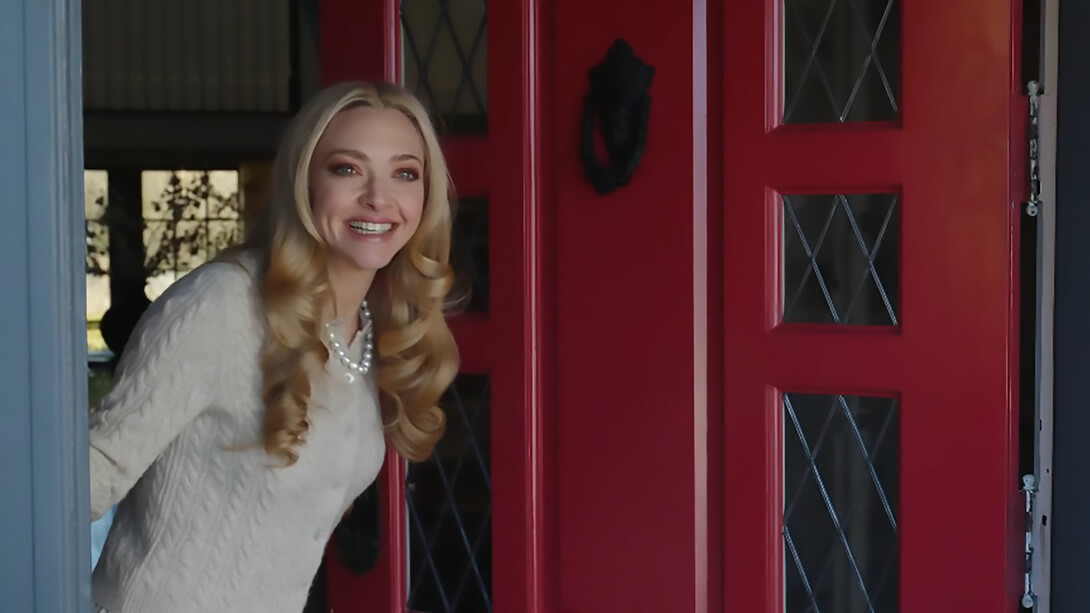
Spoilers ahead—and not just about the film. You’ll probably walk away from The Housemaid thinking you understood everything, and that’s exactly the problem.
Directed by Paul Feig—not the most obvious name for a psychological thriller about abuse—the film initially presents itself as a sleek domestic drama, built on quiet tension and restrained performances. But that reading is surface-level, because at its core, what the film is doing isn’t just telling a story; it’s manipulating you. And the most uncomfortable part is it works.
There’s a moment that should break everything—the affair. When Andrew (Brandon Sklenar) cheats on his wife, Nina (Amanda Seyfried), with the young Millie (Sydney Sweeney), the film seems to hand you, in theory, definitive proof that he’s not who he appeared to be. In a more conventional narrative, this would be the moral turning point—the moment the audience finally realigns. But the housemaid isn’t interested in shortcuts. Even after that, perception doesn’t reset so easily. Nina continues to be framed as unstable, excessive, and "difficult", while Andrew—despite the betrayal—still carries a certain veneer of legitimacy, as if there’s always room for doubt, for rationalisation, for a more “balanced” interpretation of events. At some point, you start to realise this isn’t a flaw in the storytelling; it feels very deliberate.
The film replicates, with unsettling precision, the logic of psychological abuse—not in a dramatic, exaggerated way, but in something quieter. It controls what you see, spaces out information, and lets reactions appear before explanations. Before you really clock what’s happening, you’ve already started organising the story in a certain way: you weigh tone more than facts, trust the person who seems composed, and question the one who doesn’t. None of that feels like a conscious decision. In other words, the film does exactly what an abuser does. That’s the uncomfortable part, because the film isn’t just showing manipulation—it’s getting you to participate in it. You doubt her; you rationalise him.
That’s the moment The Housemaid stops being just a thriller and becomes something sharper—a piece of social commentary. This dynamic doesn’t originate in cinema; it’s already deeply embedded in real life. We’re used to reading situations this way—we’ve been trained to. The calm voice feels more reliable, the emotional one less stable, even when that emotional response might actually be the most truthful thing in the room. The romanticisation of control is something we’re taught early: jealousy as care, possession as love, and discomfort as intensity. These ideas are so normalised they stop feeling dangerous—until they are, and by then, it’s often too late to see clearly.
The film understands this and turns it against the viewer. So when it finally shifts—when it becomes clear that Nina isn’t unstable but has been made to look that way—the impact isn’t just in the reveal. It’s in the realisation of how easily you went along with it. You were already there, on his side, or at least not fully on hers, and it didn’t feel like a mistake at the time. That’s what makes it land.
Another key strength lies in how the film frames abuse as survival—not just physical survival, but mental, psychological, and emotional survival. What’s at stake isn’t simply leaving; it’s being able to trust your own perception enough to realise you need to leave. Gaslighting doesn’t just damage relationships; it damages a person’s relationship with reality itself, and The Housemaid translates that with unnerving clarity.
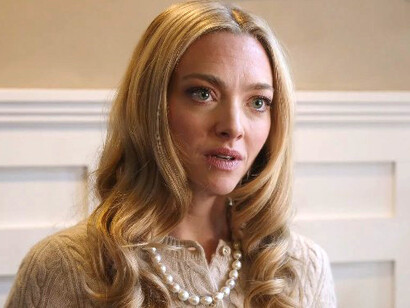
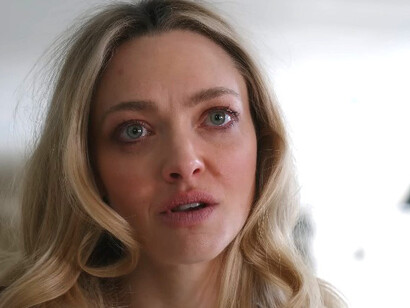
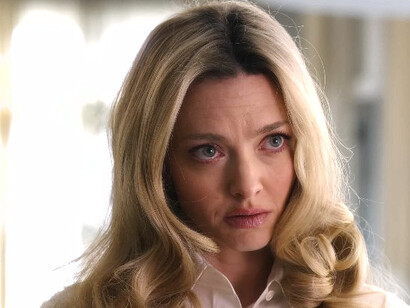
The performances are essential in sustaining this structure. Brandon Sklenar builds an Andrew who is disturbingly believable—a man who doesn’t see himself as a villain but as the moral centre of his own story. There’s charm, control, and internal logic, and that’s precisely what makes him so unsettling: he doesn’t feel monstrous; he feels plausible. But it’s Amanda Seyfried who elevates the film entirely. Her portrayal of Nina is layered in a way that doesn’t immediately reveal itself, and that’s exactly the point. At first glance, she appears exactly as the narrative wants her to: unstable, erratic, emotionally volatile. But when the film shifts, it’s not the character that changes—it’s our understanding of her.
Seyfried isn’t just playing a woman unravelling; she’s playing a woman who has been pushed into appearing unravelled—a character who, within the story itself, is already performing a distorted version of herself. Sustaining that requires remarkable precision. On a second watch, everything changes: gestures that once read as hysteria reveal control, reactions that felt excessive begin to make sense, and small moments—almost invisible the first time—become fractures in the narrative, subtle clues that awareness and strategy were always present. It’s layered acting—acting within acting—and one of the hardest things an actor can do: portray someone who is being misread, including by the audience. Sydney Sweeney, meanwhile, operates within more familiar territory. It works, it’s effective, but it’s not where the film reaches its deepest emotional register.
Perhaps the most uncomfortable part of The Housemaid isn’t in the plot at all—it’s in how recognisable the experience feels. This kind of story isn’t rare right now; it’s everywhere. Promising Young Woman indicts everyone who enabled violence, Maid exposes how systems exhaust victims, Big Little Lies reveals violence behind curated lives, Gone Girl weaponises perception, and The Handmaid's Tale distils reality into something impossible to ignore. They differ in form, but they all circle the same problem: perception isn’t neutral—it’s constantly shaped.
The Housemaid might be one of the clearest examples of that in action because it doesn’t just tell you this is happening; it lets you feel how it happens. How quickly you align with the version of events that feels more stable, how instinctively you question the one that doesn’t, and how easy it is to believe you’re being objective when you’re actually being guided. By the time you notice it, you’ve already made the judgement.
But perhaps the most brutal part of the film isn’t in the film itself—it’s in what happens after. In how people talk about it, in what they hold onto. Even after the reveal, there remains a very real tendency to blame the woman, to rationalise the man, and to search for justification. At that point, the film stops feeling like commentary and starts to feel like evidence—not of what the characters are doing, but of how we read them.
And right now, that reading feels familiar. You see it everywhere—that pull toward the version that feels more reasonable, more controlled, and easier to defend. And more often than not, that version sounds like him. That’s what the film locks into. So when it nudges you in that same direction—when it makes you hesitate, second-guess, reframe—it’s not just being clever. It’s showing you how little it takes, how quickly it happens, and how natural it feels while it’s happening.
Then you step back and realise you didn’t catch it in the moment. You believed him. You doubted her. And you didn’t even notice when it happened. Because the most unsettling thing about The Housemaid isn’t what happens on screen—it’s how familiar it feels once you realise you were part of it.