English
 Español
 Français
 Deutsch
 Italiano
 Português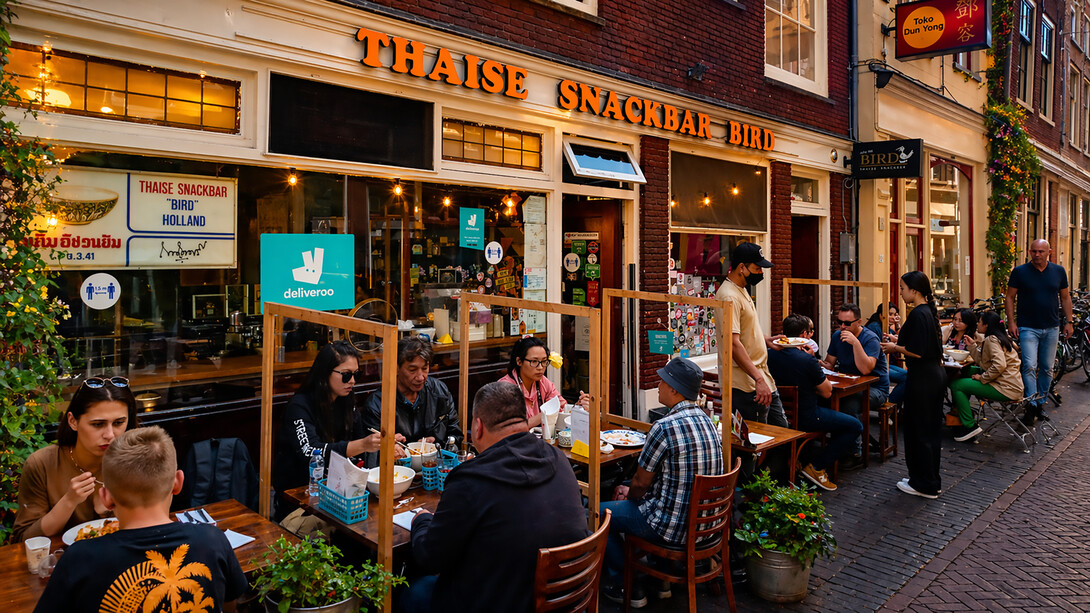
On a cool evening in Amsterdam, the glow from restaurant windows spills onto the pavement as people gather inside for dinner. Among the many options available in the city, Thai restaurants consistently draw a steady crowd. Tables fill quickly, takeaway orders stack up near the counter, and the air carries the unmistakable aroma of lemongrass, chili, and coconut. It is a scene that repeats itself not only in Amsterdam but also across the Netherlands. From Rotterdam to Utrecht, Thai cuisine has become a familiar and much-loved part of the Dutch dining landscape.
This popularity invites a simple but revealing question. Why Thai food, and why here? The answer lies not in a single explanation, but in a convergence of history, taste, travel, and changing cultural habits. Together, these factors explain how a cuisine rooted in Southeast Asia has secured such a strong and lasting presence in a country with very different culinary traditions.
To understand the present, it is necessary to consider the Netherlands’ long history as a globally connected society. For centuries, Dutch merchants traveled across Asia, bringing back spices, ingredients, and culinary influences that gradually shaped local consumption patterns. While Indonesian cuisine became the most deeply embedded Asian influence due to colonial ties, it also broadened the Dutch palate and familiarized consumers with layered flavors, rice-based meals, and shared dining formats. By the time Thai restaurants began to appear more frequently in the late twentieth century, the cultural groundwork had already been laid. Thai food did not arrive in a vacuum. It entered a market that was already receptive.
This openness was further reinforced by the rise of international travel. Thailand became a popular destination for Dutch tourists, offering not only beaches and cultural attractions but also a highly accessible and memorable food scene. For many travelers, eating in Thailand was not confined to restaurants but extended to street stalls, markets, and informal settings where food was immediate, affordable, and deeply integrated into daily life. The intensity of these experiences left a lasting impression. Meals were not only about taste but also about atmosphere, spontaneity, and social interaction.
Upon returning to the Netherlands, these travelers sought to recreate elements of that experience. Thai restaurants became a point of connection, offering familiar dishes that evoked specific memories. This link between travel and consumption is significant. It transforms Thai food from a foreign cuisine into something personal. It is no longer simply exotic. It becomes experiential.
At the center of Thai cuisine’s appeal lies its distinctive flavor profile. Thai cooking is often characterized by balance, combining sweet, sour, salty, bitter, and spicy elements within a single dish. This creates a dynamic and layered taste experience that differs markedly from traditional Dutch cuisine, which has historically prioritized simplicity and subtle seasoning. For many Dutch consumers, Thai food offers a level of sensory engagement that is both novel and satisfying.
A typical Thai curry illustrates this clearly. The richness of coconut milk provides depth, while lime introduces acidity, chili contributes heat, and fish sauce adds a savory base. Fresh herbs such as basil and coriander complete the composition, adding brightness and aroma. The result is a dish that evolves with each bite, maintaining interest throughout the meal. This complexity stands in contrast to more uniform flavor profiles, making Thai cuisine particularly appealing to those seeking variety.
Importantly, this complexity does not come at the cost of accessibility. Thai cuisine is inherently adaptable. Spice levels can be adjusted, ingredients can be modified, and dishes can be presented in ways that suit local preferences. In the Dutch context, this often results in slightly milder versions of traditional recipes, allowing diners to engage with the cuisine without feeling overwhelmed. This adaptability lowers the barrier to entry and encourages repeat consumption.
Health perception also contributes to Thai cuisine’s popularity. In recent years, Dutch consumers have shown increasing interest in fresh ingredients, balanced meals, and lighter cooking methods. Thai food aligns well with these preferences. Many dishes incorporate vegetables, lean proteins, and herbs, creating an image of nutritional balance. Even when dishes are relatively rich, they are often perceived as more natural and less processed than conventional fast food.
This perception is reinforced by the visible use of fresh ingredients. Herbs, citrus, and vegetables are not only integral to the flavor but also highly visible in presentation. This transparency enhances the sense of authenticity and quality. For consumers who are attentive to dietary choices, Thai cuisine offers both variety and reassurance.
The availability of vegetarian and plant-based options further strengthens its appeal. Thai cuisine accommodates a wide range of dietary preferences, with dishes that can easily be adapted to exclude meat without sacrificing flavor. Tofu, vegetables, and legumes are commonly used, allowing for diverse and satisfying alternatives. As plant-based diets become more prevalent in the Netherlands, this flexibility becomes increasingly valuable.
Beyond the food itself, the restaurant experience plays a critical role. Thai restaurants in the Netherlands often provide a distinct yet approachable atmosphere. Interiors may incorporate warm lighting, natural textures, and subtle cultural references, creating a setting that feels different from standard dining environments without becoming overly formal. This balance makes Thai restaurants suitable for a wide range of occasions.
Service also contributes to the overall appeal. Many establishments emphasize attentiveness and hospitality, which enhances the dining experience. Presentation is often carefully considered, with attention to color, arrangement, and detail. These elements combine to create a sense of occasion, even in relatively casual settings.
Convenience has further accelerated the integration of Thai cuisine into everyday life. The rise of takeaway and delivery services has made Thai food more accessible than ever. Its suitability for transport, combined with its ability to retain flavor after preparation, makes it an ideal choice for off-site consumption. For busy households, this practicality is a significant advantage.
In urban areas, the density of Thai restaurants and takeaway outlets ensures constant visibility. This familiarity normalizes the cuisine, transforming it from an occasional indulgence into a regular option. Repeated exposure reduces hesitation and encourages experimentation, further embedding Thai food within Dutch eating habits.
Social dynamics also play an important role. Dining is increasingly viewed as a shared experience rather than a purely functional activity. Thai cuisine supports this shift through its emphasis on communal eating. Multiple dishes are often ordered and shared, encouraging interaction and conversation. This format aligns well with contemporary preferences for informal and social dining.
The visual appeal of Thai food adds another dimension to its popularity. Bright colors, fresh garnishes, and careful presentation make dishes visually striking. In an era where food is frequently documented and shared online, this aesthetic quality enhances visibility and desirability. A visually appealing meal is more likely to be remembered and recommended, contributing to sustained interest.
Within the broader context of international cuisine in the Netherlands, Thai food occupies a distinctive position. Chinese and Indonesian cuisines have long been established, while Japanese and Vietnamese options have gained prominence more recently. Thai cuisine differentiates itself by combining accessibility with variation. It offers more complexity than what many associate with standard Chinese takeaway, while remaining more approachable than highly specialized cuisines such as Japanese.
This positioning is crucial. It allows Thai cuisine to appeal to a wide audience, including both cautious diners and those seeking new experiences. It bridges the gap between familiarity and novelty, providing enough innovation to remain interesting without becoming alienating.
Economic factors also support its success. Thai restaurants often provide good value for money, with shareable dishes and moderate pricing. This makes the cuisine accessible across different income groups. It is affordable enough for regular consumption, yet distinctive enough to feel like a deliberate choice rather than a default option.
Behind this visible success lies a network of entrepreneurs and restaurateurs, many of whom have Thai backgrounds. Their role in maintaining authenticity while adapting to local conditions is significant. Access to ingredients, knowledge of techniques, and the ability to navigate the Dutch market all contribute to the sustainability of the cuisine. This combination of authenticity and adaptation ensures that Thai food remains both genuine and relevant.
Despite its popularity, Thai cuisine in the Netherlands faces ongoing challenges. Maintaining authenticity while responding to local preferences requires careful balance. There is a risk that dishes become overly standardized, losing the regional diversity that defines Thai cooking. At the same time, rising expectations around sustainability and transparency place additional pressure on restaurants.
Dutch consumers are increasingly concerned with sourcing, environmental impact, and ethical practices. Restaurants that address these concerns effectively may gain a competitive advantage. This suggests that the future success of Thai cuisine will depend not only on flavor and experience but also on alignment with broader social values.
Looking ahead, the position of Thai cuisine appears secure. Its popularity is supported by a combination of sensory appeal, cultural relevance, and practical convenience. It satisfies contemporary expectations while remaining adaptable to future trends.
More broadly, the success of Thai food reflects a transformation in Dutch food culture. Eating is no longer defined solely by tradition or necessity. It has become a form of exploration, shaped by global influences and individual preferences. Consumers are more willing to experiment, more aware of quality, and more interested in the experience surrounding a meal.
Thai cuisine fits naturally within this context. It offers variety, intensity, and flexibility, all of which resonate with modern expectations. At the same time, it remains approachable, allowing it to integrate seamlessly into everyday routines.
As the evening crowd continues to gather in Thai restaurants across the Netherlands, the reasons for its popularity become increasingly clear. It is not simply a matter of taste. It is the result of a broader alignment between what Thai cuisine offers and what Dutch consumers now seek.
In this sense, Thai food has done more than establish itself within the Dutch dining landscape. It has contributed to reshaping it. By introducing new flavors, new formats, and new expectations, it has expanded the possibilities of what a meal can be.
And as long as those expectations continue to evolve, Thai cuisine is likely to remain not just present, but central to the way the Netherlands eats.