English
 Español
 Français
 Deutsch
 Italiano
 Português
There is a phrase most of us have heard since childhood: "You are what you eat." It is simple, intuitive, and largely true. But modern science is now revealing a far more unsettling version of that idea, one that stretches across generations. You are not only what you eat. To a measurable and meaningful degree, you are also what your parents ate, what your grandparents ate, and perhaps even what their parents ate before them.
This is the frontier of nutritional epigenetics: the study of how diet and nutrients alter the chemical marks on our DNA – not the genetic code itself, but the instructions for how that code is read and how those alterations can be passed from one generation to the next. It is a field that is rewriting our understanding of heredity, disease, and the long reach of food.
What is epigenetics?
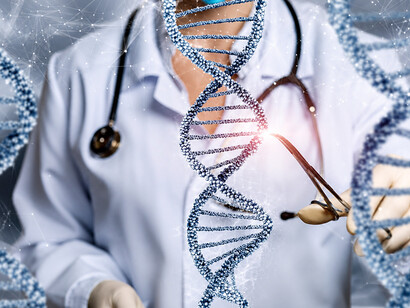
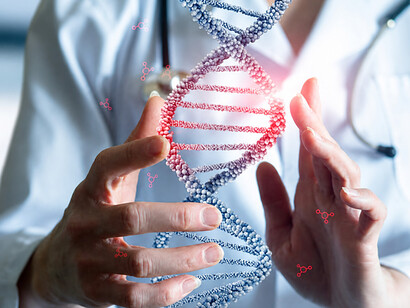
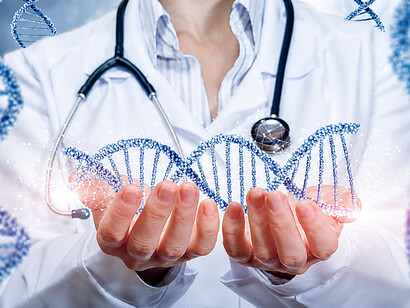
To understand nutritional epigenetics, we first need to understand epigenetics itself. Your DNA is often described as a blueprint, but it is more accurate to think of it as a vast library. Every cell in your body contains roughly the same 3 billion base pairs of genetic code. What makes a liver cell different from a brain cell is not the DNA they contain; it is which sections of that library are open and being actively read.
Epigenetics refers to the chemical modifications that control this access. The two most studied mechanisms are the following:
DNA methylation: the addition of a methyl group (a carbon atom bonded to three hydrogen atoms) to specific sites along the DNA strand, typically silencing the genes in that region.
Histone modification: histones are proteins around which DNA is wound. Chemical tags on histones can either loosen or tighten the DNA coil, making genes more or less accessible for expression.
Crucially, unlike the DNA sequence itself, these epigenetic marks are dynamic. They respond to the environment, to stress, toxins, exercise, and, most relevantly here, to food. And in ways that researchers are still working to fully understand, some of these marks are heritable. They can persist through cell division and, in certain cases, pass through the germline, the egg and sperm, into offspring.
The Dutch hunger winter: a natural experiment in ancestral nutrition
The most powerful early evidence for transgenerational epigenetic inheritance in humans came not from a laboratory, but from one of history's darkest chapters. In the winter of 1944–1945, Nazi forces imposed a blockade on the western Netherlands, triggering a catastrophic famine. For roughly five months, the Dutch civilian population survived on as few as 400–800 calories per day. Approximately 20,000 people died.
Decades later, researchers began studying the children, and then grandchildren, of women who were pregnant during the famine. What they found was extraordinary. Adults who had been exposed to famine in utero during the first trimester had significantly higher rates of obesity, cardiovascular disease, type 2 diabetes, and mental health disorders compared to siblings conceived after the famine ended. This alone suggested that prenatal nutrition shaped lifelong health.
But the story did not stop at one generation. The children of those famine-exposed individuals also showed elevated rates of metabolic disease, even though they themselves had never been hungry. Epigenetic analysis revealed persistent differences in DNA methylation at specific gene loci, including the insulin-like growth factor 2 (IGF2) gene, a key regulator of growth and metabolism, in the famine-exposed group compared to controls. These marks were measurable six decades after the famine itself.
The Överkalix Cohort: food, famine, and your grandfather's harvest
Around the same time researchers were re-examining the Dutch famine data, a Swedish epidemiologist named Lars Olov Bygren was studying centuries of meticulous church records from the isolated village of Överkalix in northern Sweden. The region experienced dramatic swings between feast years and famine years, and the records were detailed enough to reconstruct exactly when individuals were born, when they died, and how plentiful the harvest had been during their childhoods.
Bygren and his colleagues found striking patterns. A man whose paternal grandfather had experienced a food surplus during the critical slow-growth period just before puberty (roughly ages 9–12) was significantly more likely to die earlier from cardiovascular or diabetes-related disease. Conversely, grandfathers who had experienced food scarcity during that same window tended to have grandchildren with markedly longer life expectancies.
The effect appeared to travel down the paternal line specifically, from grandfather through father to grandchild, suggesting it was carried in the sperm rather than simply transmitted through shared family environments or behaviours. This was a landmark finding. It implied that a grandfather's nutritional experience during a specific developmental window could alter the biology of grandchildren born decades later.
The mechanisms: how food rewrites the epigenome
So how, precisely, does a meal eaten by your grandmother end up influencing the expression of your genes? Several mechanisms have been identified.
Methyl donors and one-carbon metabolism
Many of the nutrients in food directly supply the raw materials for DNA methylation. The methyl groups attached to DNA do not appear from nowhere; they are donated by molecules derived from the diet, particularly through a biochemical pathway called 'one-carbon metabolism'. Key nutrients involved include:
Folate (found in leafy greens, legumes, and fortified foods).
Choline (eggs, liver, soybeans).
Betaine (beetroot, spinach, quinoa).
Vitamin B12 (meat, fish, dairy).
Methionine (meat, fish, eggs, nuts).
A deficiency or excess of any of these nutrients during critical developmental windows, particularly in utero and in early childhood, can alter the pattern of methylation across the genome in ways that persist into adulthood and, potentially, into the next generation.
Histone-modifying nutrients
Several dietary compounds also influence histone modification. Sulforaphane, a compound found in cruciferous vegetables like broccoli, inhibits histone deacetylase enzymes, effectively keeping certain tumour-suppressor genes more accessible. Butyrate, a short-chain fatty acid produced when gut bacteria ferment dietary fibre, acts similarly. Resveratrol (found in red grapes) and curcumin (the active compound in turmeric) have both been shown to influence histone acetylation patterns in animal models.
Non-coding RNA
A third mechanism, still under intensive investigation, involves small non-coding RNA molecules, particularly microRNAs and piRNAs, that can regulate gene expression without altering the DNA sequence itself. These molecules have been found in sperm and appear capable of transmitting information about the father's nutritional and metabolic state to offspring. Studies in mice have shown that paternal high-fat diets alter microRNA profiles in sperm, with measurable metabolic consequences in the next generation.
Ancestral diet and disease risk today
The implications for modern chronic disease are profound. Much of the explosion in obesity, type 2 diabetes, and cardiovascular disease over the past century has been attributed to changes in lifestyle. But epigenetic research suggests that the metabolic vulnerabilities driving these conditions were, in part, set by the nutritional environments of previous generations.
The thrifty phenotype hypothesis, first proposed by David Barker and Nicholas Hales in the early 1990s, argues that an undernourished foetus programmes itself for a world of scarcity, prioritising fat storage and downregulating energy expenditure. If that individual is then born into a world of abundant calories, the mismatch between their epigenetic programming and their actual environment becomes a driver of metabolic disease. This mismatch hypothesis has been supported by studies across multiple populations, from the Dutch famine cohorts to studies of children born during periods of nutritional transition in India and China.
Equally, there is emerging evidence that a grandparental diet rich in ultra-processed foods, added sugars, and trans fats may prime the epigenomes of subsequent generations in ways that increase susceptibility to inflammation, insulin resistance, and neurodevelopmental conditions, though human evidence here remains at an earlier stage than animal model data.
The encouraging news: epigenetic marks are not permanent
Here is where the science shifts from sobering to genuinely empowering. Unlike the DNA sequence, epigenetic marks are reversible. The same environmental responsiveness that allows a poor diet to alter the epigenome also means that a better diet, a healthier lifestyle, and targeted nutritional interventions can begin to rewrite those marks, potentially within a single generation.
Several lines of evidence support this:
Exercise has been shown to alter DNA methylation at genes associated with metabolism and inflammation within weeks of a new training regimen.
Caloric restriction and intermittent fasting produce rapid changes in histone modification patterns, activating longevity-associated pathways.
Adequate folate and choline intake during pregnancy is now firmly established as a means of reducing the risk of certain epigenetic disruptions in offspring, which is why folic acid supplementation is standard antenatal advice.
Dietary polyphenols, found in berries, green tea, olive oil, and dark chocolate, are increasingly studied for their capacity to modulate epigenetic enzymes and support healthier gene expression profiles.
What you can do about it
While we cannot change the diet of our grandparents, we can act on what the science tells us, both for our own health and for the biological inheritance we pass on to future generations.
Prioritise methylation-supporting nutrients. Ensure adequate intake of folate, choline, vitamin B12, and methionine, especially during pregnancy and preconception. These nutrients are the molecular raw materials of epigenetic regulation.
Eat a high-fibre diet. Dietary fibre feeds the gut microbiome, which produces butyrate and other short-chain fatty acids that have potent epigenetic effects, particularly in the colon. Aim for at least 30 different plant foods per week.
Include cruciferous vegetables regularly. Broccoli, cauliflower, Brussels sprouts, and kale are rich sources of sulforaphane, one of the best-studied epigenetic modulators in the human diet.
Minimise ultra-processed foods. Diets high in refined carbohydrates, industrial seed oils, and artificial additives have been associated with pro-inflammatory epigenetic patterns. The evidence that these patterns can be transmitted to offspring is still accumulating, but the precautionary case for limiting them is strong.
Move your body consistently. Regular aerobic and resistance exercise is one of the most powerful epigenetic interventions available to us. Its effects on DNA methylation at metabolic gene loci are well-documented and begin to manifest within weeks.
Consider preconception nutrition seriously. Both maternal and paternal diets in the months before conception appear to influence the epigenome of offspring. This is not a message to generate anxiety but to encourage both partners to treat the preconception period as a meaningful nutritional window.
Conclusion
The science of nutritional epigenetics is still young, and many questions remain open. Not all epigenetic marks are heritable. Not all dietary signals reach the germline. The relative contribution of true epigenetic inheritance versus shared family environment and behaviour is difficult to disentangle in human studies. Researchers are appropriately cautious about extrapolating too far from animal models.
And yet the core insight is already well-supported enough to be taken seriously: the food choices made by our ancestors have left molecular fingerprints on our biology that influence, not determine, but influence, our risk of chronic disease, our metabolic tendencies, and possibly our mental health. We are, in a measurable sense, shaped by histories we did not live.
The profound flip side of that finding is this: the choices we make today are not only for ourselves. They are part of the biological story that we hand forward to those who come after us. Every meal is, in its quiet way, a message to the future.
References
Heijmans, B.T., et al. (2008). "Persistent epigenetic differences associated with prenatal exposure to famine in humans." Proceedings of the National Academy of Sciences, 105(44), 17046–17049.
Bygren, L.O., Kaati, G., & Edvinsson, S. (2001). "Longevity determined by paternal ancestors' nutrition during their slow growth period." Acta Biomedica, 72(1), 69–73.
Kaati, G., Bygren, L.O., & Edvinsson, S. (2002). "Cardiovascular and diabetes mortality are determined by nutrition during parents' and grandparents' slow growth period." European Journal of Human Genetics, 10(11), 682–688.
Hales, C.N., & Barker, D.J. (2001). "The thrifty phenotype hypothesis." British Medical Bulletin, 60(1), 5–20.
Waterland, R.A., & Jirtle, R.L. (2003). "Transposable elements: targets for early nutritional effects on epigenetic gene regulation. " Molecular and Cellular Biology, 23(15), 5293–5300.
Cropley, J.E., et al. (2006). "Germ-line epigenetic modification of the murine Avy allele by nutritional supplementation. "Proceedings of the National Academy of Sciences, 103(46), 17308–17312.
Ng, S.F., et al. (2010). "Chronic high-fat diet in fathers programmes β-cell dysfunction in female rat offspring." Nature, 467(7318), 963–966.
Sharma, U., et al. (2016). "Biogenesis and function of tRNA fragments during sperm maturation and fertilisation in mammals." Science, 351(6271), 391–396.
Alegría-Torres, J.A., Baccarelli, A., & Bollati, V. (2011). "Epigenetics and lifestyle." Epigenomics, 3(3), 267–277.
Mennitti, L.V., et al. (2015). "Type of fatty acids in maternal diets during pregnancy and/or lactation and metabolic consequences of the offspring." Journal of Nutritional Biochemistry, 26(2), 99–111.