English
 Español
 Français
 Deutsch
 Italiano
 Português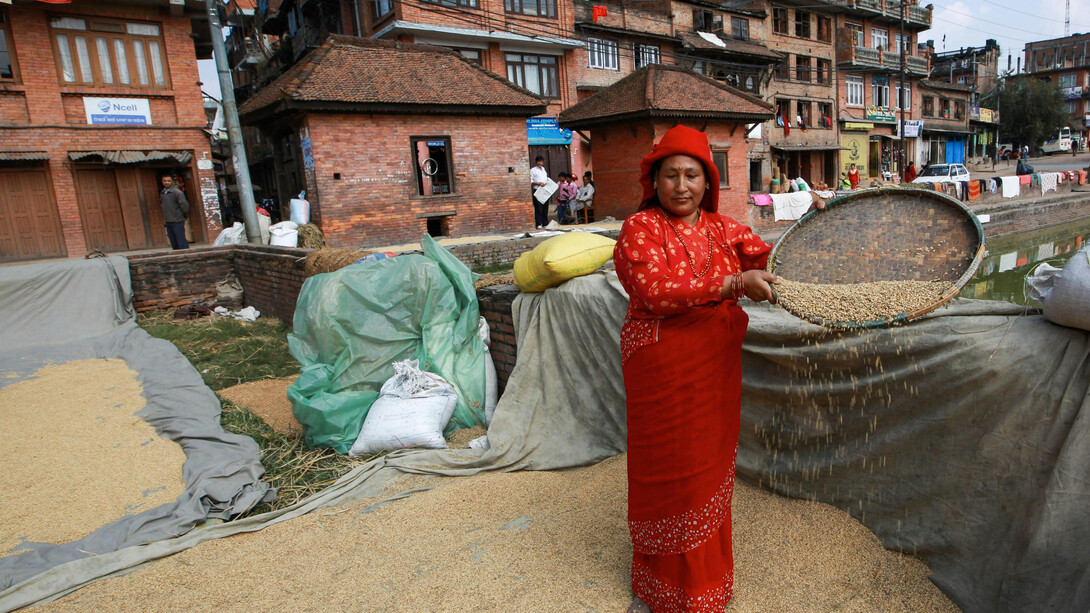
Tharu cuisine represents one of the most authentic and indigenous food traditions of Nepal. Originating from the Tharu community, who are the native inhabitants of the Terai region, Tharu food reflects their close connection with nature, agriculture, and the forest environment. This cuisine is not only a means of sustenance but also an expression of cultural identity, social values, and ancestral wisdom. Rich in local ingredients and unique preparation methods, Tharu cuisine showcases a harmonious blend of taste, health, and sustainability. From fish curries and fermented dishes to millet-based foods and forest herbs, Tharu gastronomy offers a fascinating insight into how indigenous communities have survived and thrived in harmony with the land for centuries.
The Tharu people inhabit the southern plains of Nepal, extending from Mechi in the east to Mahakali in the west. Traditionally semi-nomadic and agrarian, they developed a food system deeply influenced by the fertile plains, rivers, and forests. Their cuisine uses locally available grains, pulses, vegetables, and wild plants. In recent years, the recognition of Tharu food has expanded beyond the community itself, with its flavors appearing in Nepali restaurants, food festivals, and tourism menus. Yet, at its heart, Tharu cuisine remains a celebration of simplicity, resourcefulness, and cultural continuity.
Historical and cultural background
The Tharu community has lived in the Terai region of Nepal for centuries. Their culture evolved in isolation due to the malaria-infested forests that discouraged outsiders from settling there until the mid-20th century. This isolation helped preserve the Tharu’s unique culinary practices. The Tharus were self-sufficient, relying on agriculture, fishing, hunting, and gathering from the forest. Their diet evolved around seasonal availability, reflecting the biodiversity of the Terai.
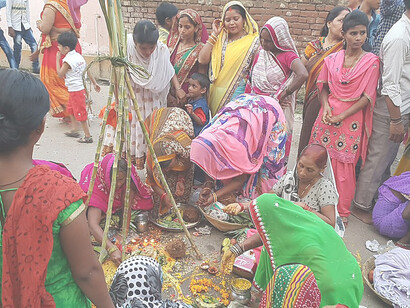
Food in the Tharu culture is intertwined with rituals, festivals, and social practices. For instance, during the Maghi festival, which marks the Tharu New Year, families prepare traditional delicacies such as dhikri (steamed rice flour dumplings), ghonghi (snails), and pork dishes. Similarly, in weddings and religious ceremonies, food plays a vital role in expressing hospitality and social unity.
Tharu cuisine is also shaped by their traditional belief system. The Tharus regard the forest and land as sacred, and this reverence extends to their food habits. They avoid waste and use almost every part of edible plants and animals. Their meals are based on balance—between spicy and sour, dry and liquid, cooked and fermented — reflecting an intuitive understanding of nutrition and sustainability.
Ingredients and cooking techniques
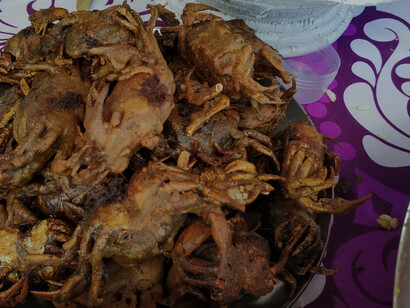
The foundation of Tharu cuisine lies in local ingredients. The fertile Terai plains provide abundant rice, maize, millet, wheat, pulses, and vegetables. Rivers and ponds are rich in fish, crabs, and snails. The forests offer wild fruits, leafy greens, tubers, and herbs that are used for both food and medicine.
Main ingredients
Rice and millets: staple grains in Tharu households. Rice is eaten in various forms, such as boiled rice, beaten rice, rice flour dumplings (dhikri), or fermented rice (anadi).
Fish and crabs: commonly used in daily meals. They are cooked in spicy gravies or fried.
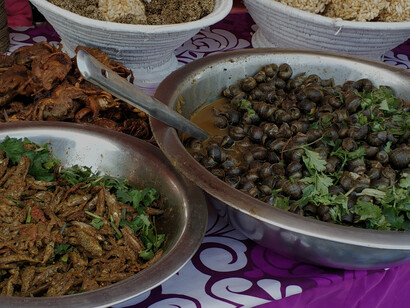
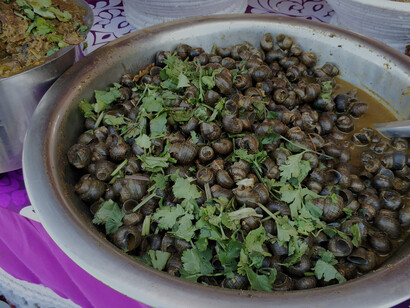
Snails (Ghonghi): a unique delicacy, especially among western Tharus. They are cleaned, boiled, and cooked with local spices and herbs.
Pork and chicken: commonly eaten during festivals and special occasions.
Vegetables and wild greens: seasonal vegetables like pumpkin, okra, mustard greens, yams, and taro leaves are essential components.
Spices: Tharu cooking uses mild spices such as turmeric, cumin, garlic, ginger, and chili, often crushed fresh rather than powdered.
Cooking techniques
Tharu cooking techniques are simple but deeply rooted in tradition. Boiling, steaming, roasting, and frying are commonly used. Clay ovens (chulo) and earthen pots are traditional tools that impart a distinct flavor. Fermentation is another key process, used to preserve food and enhance its nutritional value. For instance, fermented fish and rice mixtures are stored in clay jars for later use, especially during the monsoon or winter when fresh food is scarce.
Smoking and drying are also common preservation methods. Fish, meat, and vegetables are sun-dried or smoked over a low fire, allowing them to last longer without refrigeration. Such practices show how the Tharu people adapted to their environment through intelligent food preservation.
Everyday foods
Tharu's daily meals are simple yet nourishing, reflecting their hardworking agrarian lifestyle. The day usually begins with a light breakfast of boiled grains or rice-based snacks. Lunch and dinner are more substantial, typically consisting of rice, dal (lentil soup), vegetables, and fish or meat.
Some common Tharu everyday dishes include:
Bhat and Dal: The most basic meal—rice served with lentil soup, similar to other parts of Nepal.
Bagiya: Steamed rice flour dumplings filled with lentil paste or vegetables, eaten as snacks or side dishes.
Anadi Rice Dishes: Anadi is a special sticky rice variety native to the Tharu regions. It is used to prepare rice beer (chhyang) and sweets.
Sidra: Small dried fish cooked with spices and chili. A popular accompaniment with rice.
Sikar (Meat Curry): Simple preparation of meat cooked in mustard oil, garlic, and turmeric.
Tarul (Yam) Curry: Made with seasonal yams, cooked with spices and herbs.
Ghonghi Curry: Cooked snails flavored with garlic, chili, and turmeric — a signature Tharu delicacy.
Meals are often served on leaf plates or banana leaves, reflecting their eco-friendly lifestyle. Freshly made pickles (achar) of chili, lemon, or bamboo shoots accompany meals, adding a tangy flavor.
Festive and ritual foods
Festivals are integral to Tharu life, and food lies at the heart of these celebrations. Each festival features specific dishes that carry cultural and symbolic meaning.
Maghi festival
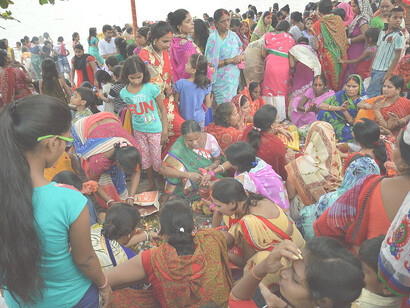
Maghi, celebrated in January, marks the Tharu New Year and harvest season. It is the grandest festival for the community. During Maghi, families gather to enjoy elaborate feasts that include pork curry, dhikri, rice beer, and various fried snacks. The sharing of food symbolizes unity, renewal, and gratitude for the harvest.
Jitiya
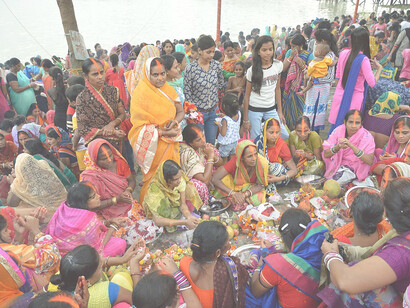
Jitiya is a women’s festival observed for the well-being of children and family members. Women fast and later break their fast with special meals prepared collectively, including millet bread and vegetable dishes.
Faguwa (Holi)
During Faguwa, the festival of colors, the Tharu people prepare rice beer, meat dishes, and sweet items. The festive foods symbolize joy and abundance.
Weddings and rituals
Tharu weddings are occasions of communal feasting. Traditional items such as dhikri, anadi rice sweets, fish curry, and pork are served to guests. The food not only signifies hospitality but also the blending of families and communities.
Regional variations
Tharu cuisine varies slightly across regions of Nepal due to geography, availability of ingredients, and sub-ethnic differences.
Eastern Tharu cuisine
In eastern Terai regions like Sunsari and Morang, the Tharus use more vegetables and pulses. Fermented foods like gundruk (fermented leafy greens) and sinki (fermented radish) are common. Fish and rice dominate daily meals.
Central Tharu Cuisine
In districts like Chitwan and Nawalpur, cuisine combines influences from both hill and Terai cultures. Chicken and pork dishes are common, along with forest vegetables and wild herbs. Rice beer (chhyang) is prepared for rituals and community gatherings.
Western Tharu Cuisine
In Dang, Bardiya, and Kailali, the Tharus are known for dishes like ghonghi curry, sidra (dried fish), and tarul curry. Pork and duck meat are popular, especially during festivals. The western Tharus’ cuisine is more rustic, using wood-fired cooking and forest ingredients.
These regional variations highlight the adaptability of Tharu food culture, which changes with the environment but retains its core identity.
Nutritional aspects and sustainability
Tharu cuisine is not only delicious but also nutritionally balanced and environmentally sustainable. Their diet, based on locally sourced grains, vegetables, and protein from fish and snails, ensures a healthy intake of carbohydrates, proteins, vitamins, and minerals.
Health benefits:
High fiber and protein: millet, lentils, and vegetables contribute to fiber and protein intake.
Low in fat: traditional Tharu dishes use minimal oil and rely on natural flavors.
Probiotic Value: fermented foods like anadi rice and fish aid digestion and immunity.
Natural Ingredients: The use of fresh, organic produce ensures nutrient retention.
Sustainability
Tharu food culture emphasizes zero waste. They use every part of plants and animals, from stems and leaves to bones and shells. Food is locally grown and seasonally consumed, reducing dependence on imported or packaged items. Cooking over traditional stoves and using leaf plates further minimizes environmental impact.
This sustainable model aligns with modern global goals of eco-friendly and locally resilient food systems. It shows how traditional knowledge can inspire contemporary solutions for food security and sustainability.
Modern influence and challenges
In recent decades, modernization, migration, and urbanization have influenced Tharu food traditions. Younger generations are increasingly drawn to fast food and modern culinary trends, leading to a gradual decline in traditional practices. Many indigenous ingredients and recipes are being replaced by commercial alternatives. Moreover, deforestation and changes in river systems have reduced the availability of wild food sources such as fish and snails.
However, there is also a growing revival movement. Cultural organizations, tourism initiatives, and local entrepreneurs are promoting Tharu cuisine through homestays, food festivals, and restaurants. In places like Chitwan and Bardiya, Tharu homestays serve authentic meals to domestic and international tourists, helping preserve both culinary and cultural heritage.
The inclusion of Tharu dishes in hotel menus and culinary schools is a positive step toward recognizing their value. Tharu cuisine is also gaining media attention as part of Nepal’s broader effort to promote its diverse food culture. If properly supported through documentation, education, and local empowerment, Tharu gastronomy could become a major component of Nepal’s cultural tourism.
Conclusion
Tharu cuisine is a living expression of Nepal’s cultural and ecological diversity. Rooted in the fertile plains and sustained by centuries of traditional wisdom, it embodies a way of life that values nature, community, and simplicity. The dishes — from dhikri to ghonghi curry — tell stories of survival, celebration, and belonging. Tharu food is not just nourishment; it is an identity, a bridge between the past and present.
As Nepal embraces modernization, preserving Tharu culinary traditions becomes essential. These foods remind us of the importance of eating locally, living sustainably, and respecting cultural heritage. Promoting Tharu cuisine is not only about safeguarding a community’s taste but also about honoring Nepal’s indigenous knowledge, biodiversity, and resilience. In the changing world of globalized diets, the Tharu table stands as a symbol of authenticity — simple, natural, and profoundly human.