English
 Español
 Français
 Deutsch
 Italiano
 Português
Choosing where to buy groceries is something most people think about every week. Some prefer small local shops, while others go to large chain supermarkets. Each option has its own advantages and challenges. The best choice depends on your needs, lifestyle, and priorities.
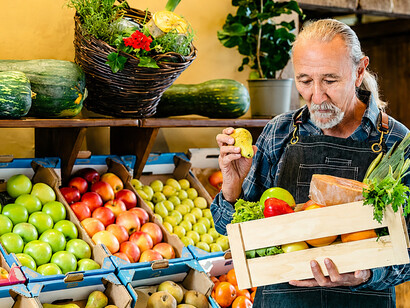
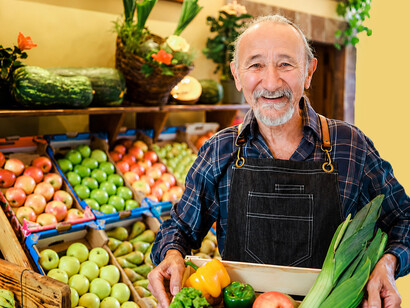
Small shops, often called local stores or neighborhood markets, offer a more personal shopping experience. When you walk into a small shop, you are more likely to be greeted by the owner or staff. Over time, they may get to know your preferences and suggest products you might enjoy. This friendly connection can make shopping feel more pleasant and comfortable. It also creates a sense of community, as local shops are often part of the neighbourhood's identity.
Another benefit of small shops is convenience. These stores are usually located close to where people live, making it easy to stop by quickly for a few items. You do not have to spend much time walking through long aisles or standing in long checkout lines. This can save time, especially for people with busy schedules or those who prefer quick trips.
Small shops may also offer fresh and locally sourced products. Some of these shops work with nearby farmers or suppliers, which means fruits, vegetables, and other items can be fresher. Supporting such stores can also help local businesses and the local economy, which many people find important.
However, small shops also have some disadvantages. One of the main issues is price. Because they buy smaller quantities compared to big supermarkets, they often cannot offer the same discounts. As a result, groceries in small shops may cost more. The variety of products can also be limited. You might not find certain brands or speciality items, which can be inconvenient if you need something specific.
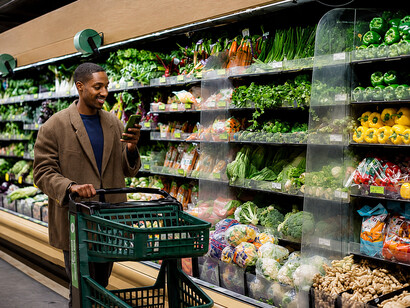
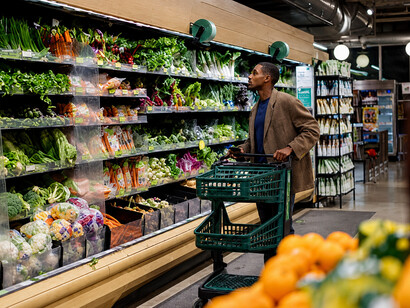
On the other hand, chain supermarkets are known for their size and variety. These stores usually have a wide range of products, including different brands, international foods, and special diet items. This makes supermarkets a good option for people who want many choices in one place. You can often find everything you need in a single trip, from fresh produce to cleaning supplies.
Prices are another strong advantage of chain supermarkets. Because they buy products in large quantities, they can offer lower prices and frequent discounts. Special deals, loyalty programs, and bulk buying options can help shoppers save money. This is especially important for families or people trying to manage a tight budget.
Chain supermarkets also tend to have better facilities. They are usually larger, with organised aisles, clear labels, and modern checkout systems. Many offer self-checkout machines or online ordering with delivery services. These features can make shopping more efficient and convenient for some people.
Despite these benefits, supermarkets have their downsides. One common complaint is that they can feel less personal. Staff may not recognise you, and customer service can sometimes feel less attentive. The shopping experience may feel more mechanical and less friendly compared to a small shop.
Another issue is time. Because supermarkets are large, it can take longer to find what you need. Walking through big stores and waiting in line during busy hours can be tiring. For people who only need a few items, this can feel like too much effort.
There is also the environmental and social aspect to consider. Chain supermarkets are often part of large companies, and their profits may not stay in the local community. In contrast, shopping at small stores helps support local businesses and can strengthen the local economy.
Many shoppers are also paying more attention to factors such as food quality, sustainability, and ethical business practices. Small shops often have closer relationships with local producers and may offer products with fewer transportation miles, which can reduce environmental impact. On the other hand, large supermarkets are increasingly introducing organic products, eco-friendly packaging, and sustainability initiatives to meet consumer demand. Technology has also changed the shopping experience, with many supermarkets offering mobile apps, digital coupons, and home delivery services. As consumer expectations continue to evolve, both small shops and chain supermarkets are adapting their strategies to remain competitive and meet the changing needs of modern shoppers.
In the end, there is no single answer to which option is better. It depends on what matters most to you. If you value low prices, wide selection, and one-stop shopping, chain supermarkets may be the best choice. If you prefer a friendly atmosphere, quick visits, and supporting local businesses, small shops may be more suitable.
Many people find that the best solution is a mix of both. They might visit supermarkets for large weekly shopping and use small shops for quick trips or fresh items. By combining both options, shoppers can enjoy the benefits of each.
Choosing where to shop is not just about groceries; it is also about your lifestyle and values. Whether you prefer the warmth of a small shop or the convenience of a big supermarket, the most important thing is finding what works best for you.