English
 Español
 Français
 Deutsch
 Italiano
 Português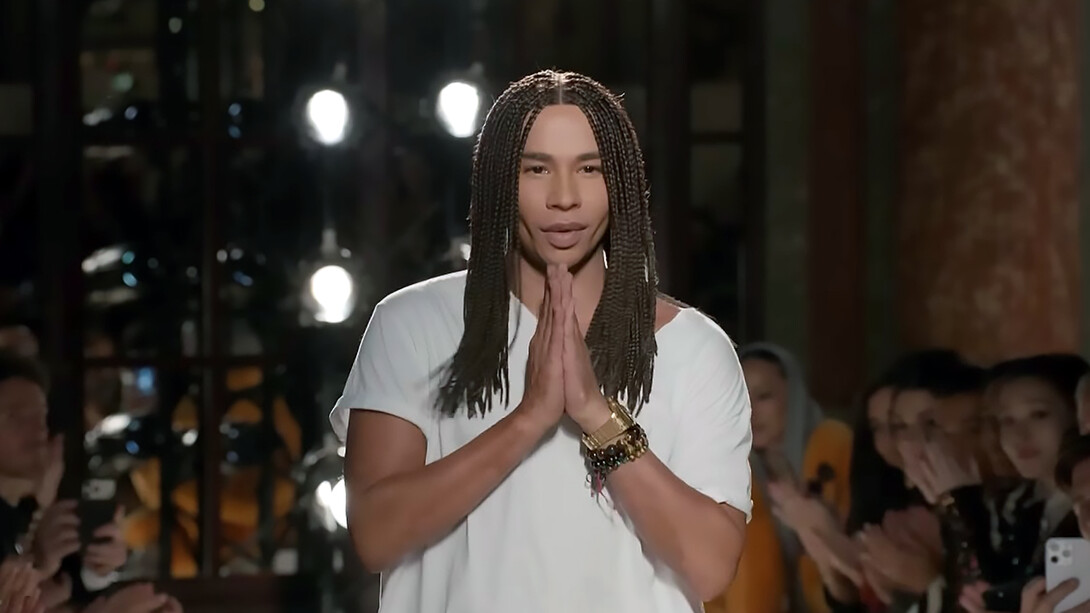
When the history of early twenty-first-century fashion is written, Olivier Rousteing’s 14-year tenure at Balmain will stand as one of the most compelling case studies of how a heritage brand can be revitalised through identity, vision, and cultural fluency. His success was not merely a matter of aesthetics—even though the visual vocabulary he cultivated became instantly recognisable across the globe—but also a profound exercise in storytelling, representation, and business reinvention. Under his leadership, Balmain evolved from a relatively quiet Parisian house to a global cultural force, one that fused couture craftsmanship with the high-voltage energy of contemporary celebrity culture and digital influence.
Rousteing took the creative director role at an exceptionally young age, stepping into a fashion world still structured around traditional gatekeeping. Over more than a decade, he not only sustained the house but also expanded it: building communities, modernising codes, elevating inclusivity, and pioneering new communication strategies that reshaped how luxury fashion interacts with its audiences. His impact extended well beyond the runway, influencing the aesthetics, marketing, and cultural positioning of fashion at large.
This essay explores the value he brought to Balmain, the innovations he introduced, and the broader influence his aesthetic and philosophy exerted on the industry.
Reawakening a heritage house: repositioning Balmain for the 21st century
When Rousteing assumed the role of creative director, Balmain was a heritage house largely known within insider circles. Founded by Pierre Balmain in 1945, the brand held considerable postwar influence but had faded into relative quietude over time. What Rousteing achieved was not simply a revival but a complete recontextualisation. He transformed Balmain into a hyper-modern luxury powerhouse while preserving the founder’s emphasis on structure, tailoring, and glamour.
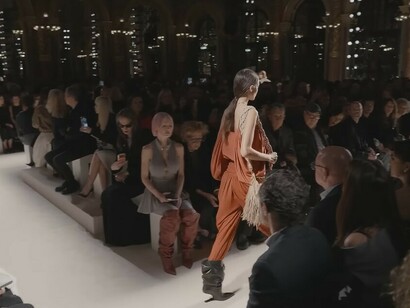
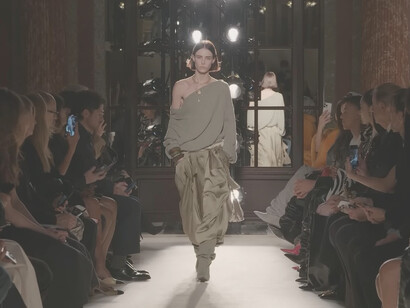
A key aspect of this transformation was the reassertion of the house’s architectural DNA. Pierre Balmain’s original designs were rooted in precision, defined by sharp lines, sculpted shoulders, and couture-level tailoring. Rather than departing from these foundations, Rousteing amplified them. His reintroduction of sharp, futuristic shoulders became a defining element of the modern Balmain silhouette, evoking an armour-like form that resonated with contemporary ideas of power dressing. His eveningwear combined military influences, baroque embellishment, and sculptural proportions, creating a visual language that was both historically grounded and distinctly modern.
At the same time, Rousteing expanded Balmain’s product universe, strengthening its position within the global luxury market. Prior to his tenure, the house lacked a strong accessories portfolio. Under his direction, Balmain developed key categories such as handbags, footwear, embellished ready-to-wear, and menswear with broad international appeal. Strategic collaborations further extended the brand’s reach, offering new entry points while maintaining its luxury identity. These developments reinforced Balmain’s overall brand structure and enabled it to compete more effectively with larger, conglomerate-backed houses.
Perhaps Rousteing’s most significant contribution was elevating Balmain’s cultural relevance. The brand evolved from a traditional fashion label into a dynamic presence within popular culture. His runway shows became immersive events that merged fashion with elements of music, cinema, and celebrity culture. This fusion positioned Balmain at the intersection of fashion, entertainment, and social media—a space Rousteing understood instinctively, often ahead of his contemporaries.
The rise of the “Balmain Army”: community-building as brand strategy
One of the most powerful concepts Rousteing introduced was the Balmain Army, a community-centred framework that evolved into a broader cultural movement. The term extended beyond models wearing the brand to encompass a global network of celebrities, influencers, musicians, and loyal followers who collectively became the face of Balmain. This shift transformed the brand from a traditional fashion house into a dynamic cultural community.
Central to this vision was Rousteing’s redefinition of the role of celebrity. He recognised that celebrity culture was moving away from passive red-carpet appearances toward active collaboration and influence. Rather than simply dressing public figures, he built genuine relationships with them, positioning them as ambassadors, muses, and co-creators of the brand’s narrative. This approach gave Balmain greater emotional depth and cultural relevance, turning visibility into meaningful engagement.
At the same time, the Balmain Army ushered in a new era of diversity and representation. At a time when inclusivity was still limited within luxury fashion, Rousteing’s casting choices consistently reflected a wide range of ethnicities, body types, and backgrounds. This was not a superficial gesture but a deliberate and sustained commitment to redefining who could be seen within the space of high fashion. His openness about his own identity and experiences further reinforced this vision, positioning fashion as a platform for challenging and reshaping social norms.
Through this community-driven approach, Balmain also emerged as a global youth culture brand. The Balmain Army created a sense of belonging among younger audiences, particularly Gen Z and millennials. Rousteing’s direct and emotionally resonant communication style made the brand feel accessible and relatable, allowing new audiences to see themselves reflected in a Parisian luxury house. In doing so, he marked a significant shift in the industry, demonstrating that heritage brands could remain aspirational while engaging more openly and inclusively with contemporary culture.
Digital mastery: reinventing luxury communication in the social media era
Rousteing was one of the first major creative directors to fully integrate social media into the core of a brand’s identity rather than treating it as a secondary promotional tool. His approach reshaped how luxury fashion communicates, setting a precedent that would later be adopted across the industry. Through digital platforms, he extended Balmain’s presence beyond the runway, turning it into a continuous, real-time narrative.
A key aspect of this shift was his embrace of transparency over mystery. Traditional luxury fashion often relied on exclusivity and distance, but Rousteing dismantled that model by sharing behind-the-scenes moments, personal reflections, and studio processes on platforms such as Instagram. This openness humanised both the brand and the designer, making high fashion feel more emotionally accessible. His personal story, including his reflections on identity and adoption, became intertwined with Balmain’s narrative, adding depth and authenticity to the brand’s image.
At the same time, Rousteing led the development of digital campaigns that merged fashion with pop culture. Under his direction, Balmain created content that blurred the boundaries between fashion, entertainment, and digital art. Through music videos, interactive media, and collaborations with pop artists, the brand shifted toward producing visuals designed for digital consumption rather than traditional print formats. This approach positioned Balmain at the forefront of a new era of fashion communication.
Rousteing also anticipated the rise of influencer culture before it became a formalised marketing strategy. He collaborated with online personalities at a time when their role in the industry was still emerging, recognising their potential to shape public perception and engagement. This early integration helped establish Balmain as highly relevant among younger audiences while ensuring that the brand remained central to the evolving digital conversation.
A distinct aesthetic: the Balmain glamour and its influence on global fashion
Rousteing’s aesthetic signature is unmistakable: powerful shoulders, sculpted silhouettes, luminous embellishments, architectural lines, and an unapologetically glamorous aura. This distinctive visual language not only defined his work at Balmain but also left a lasting imprint on the wider fashion industry, influencing both high fashion and mass-market design.
At a time when minimalism dominated the early 2010s fashion landscape, Rousteing moved deliberately in the opposite direction. He championed a return to high-octane glamour through baroque embroidery, metallic hardware, corset-like construction, body-conscious silhouettes, and opulent fabrics. His work reintroduced maximalism into the mainstream, reshaping eveningwear and red-carpet dressing while also influencing more accessible fashion segments.
He also played a key role in reinventing power dressing for a new generation. While earlier interpretations in the 1980s and 1990s were tied to corporate and political authority, Rousteing reframed power dressing as an expression of individuality, confidence, and self-love. His signature structured shoulders, often compared to armour, became symbols of empowerment across genders, contributing to a broader shift in how femininity and masculinity are expressed through clothing.
In addition, Rousteing was ahead of his time in bridging streetwear and couture. Long before the luxury–streetwear movement reached its peak, he combined haute couture craftsmanship with elements drawn from street culture. Military-inspired jackets, biker details, intricately embroidered denim, hip-hop influences, and sleek tailoring came together in a hybrid aesthetic that anticipated the dominant fashion language of the late 2010s and early 2020s.
Business growth and modernisation: from boutique brand to global powerhouse
Rousteing’s tenure at Balmain was not only creatively influential but also commercially impactful. His vision aligned closely with the brand’s strategic expansion, resulting in significant business growth and global recognition. Under his direction, Balmain evolved into a more visible and accessible luxury house while maintaining its strong identity.
One of the most notable developments was the scaling of Balmain’s global retail presence. The brand expanded its network of boutiques across key luxury markets in Asia, the Middle East, Europe, and North America. This expansion was driven by Rousteing’s growing international visibility, which in turn accelerated demand. These retail spaces were not merely points of sale but immersive environments that reflected the brand’s bold and dramatic aesthetic.
Rousteing also played a crucial role in integrating Balmain into popular culture through strategic collaborations. By partnering with sports brands, retailers, and entertainment companies, he broadened the house’s cultural reach and introduced it to new audiences. These collaborations allowed Balmain to become more accessible while carefully preserving its luxury positioning.
Another defining achievement of his leadership was the reintroduction of couture after a significant hiatus. This move served to reaffirm the house’s heritage while showcasing Rousteing’s technical skill and creative range. The couture collections helped re-establish Balmain’s position within the highest tier of fashion, blending traditional craftsmanship with contemporary, pop-cultural influences. As a result, these collections resonated far beyond the runway, reinforcing the brand’s relevance in both fashion and culture.
Embedding social consciousness and personal storytelling into fashion
Rousteing’s fashion narrative was inseparable from his personal story. His openness about his adoption, racial identity, and experiences within the industry brought a deeper layer of meaning to his work. Rather than existing solely as aesthetic expressions, his collections became extensions of his identity, reflecting both personal and collective experiences.
Fashion, for Rousteing, functioned as a powerful tool of representation. Through his work at Balmain, he challenged long-standing and limited notions of who belongs in French fashion. His presence as a creative director alone expanded perceptions of leadership within luxury, while his casting choices and campaigns consistently amplified under-represented voices, making visibility a central element of his creative vision.
At the same time, he offered a modern interpretation of French luxury. Rousteing redefined it as inclusive, diverse, and expressive, moving away from the narrow and traditional definitions that once dominated the industry. This shift not only refreshed the brand’s identity but also attracted a new global audience who felt a personal connection to Balmain’s evolving values.
Beyond design, Rousteing emerged as a creative voice engaged with contemporary social issues. He spoke openly about topics such as racism, belonging, identity, and the pressures of the fashion system. His willingness to express vulnerability and engage publicly distinguished him from more reserved figures in the industry, ultimately contributing to a more human and relatable image of fashion leadership.
Influence on the industry: a lasting legacy beyond Balmain
The influence of Olivier Rousteing extends well beyond the walls of Balmain, reshaping multiple facets of the fashion industry. His creative direction not only transformed the brand itself but also contributed to broader shifts in how fashion engages with culture, identity, and communication.
One of his most significant contributions lies in normalising diversity in casting. While he was not the only voice advocating for inclusivity, Rousteing was among the earliest creative directors at a major Parisian house to make it a consistent and visible priority. Through his work, he helped push the industry to reconsider long-standing standards and embrace a more representative vision of beauty.
At the same time, Rousteing emerged as a pioneer of the social-media-savvy creative director. Before it became common for designers to cultivate large digital followings, he demonstrated how online engagement could serve as a powerful strategic tool for brand growth. His presence blurred the boundaries between designer, influencer, and cultural figure, redefining how fashion leadership operates in the digital age.
Equally important is his role in fusing luxury with celebrity culture. Rousteing reimagined the relationship between fashion houses and public figures, positioning celebrities not merely as ambassadors or red-carpet figures but as active participants in shaping the brand’s narrative. This collaborative approach helped redefine the cultural relevance of luxury fashion in a media-driven world.
Finally, his aesthetic language has left a lasting imprint on the industry. Through structured silhouettes, embellished surfaces, and sculptural forms, Rousteing contributed to a renewed emphasis on glamour across both high fashion and mass fashion. His designs communicate a sense of empowerment, influencing countless designers and reinforcing the enduring appeal of bold, confident expression.
A visionary whose impact will be felt for decades
Olivier Rousteing’s 14-year tenure at Balmain is a landmark chapter in contemporary fashion history. His influence stretches across aesthetics, business strategy, cultural communication, and social consciousness. He revitalised and modernised a heritage house, giving it a distinct voice that resonated globally. His work blended couture craftsmanship with pop-cultural accessibility, making Balmain one of the most recognisable and aspirational brands of the century.
More importantly, he expanded the emotional and cultural dimensions of what a luxury brand can be. Rousteing showed that fashion can empower, include, narrate, and transform—beyond clothes, beyond runways, and beyond commercial metrics.
As the industry evolves, his impact will continue to shape the next generation of designers who see in his story a model of innovation, courage, and creative authenticity.