English
 Español
 Français
 Deutsch
 Italiano
 Português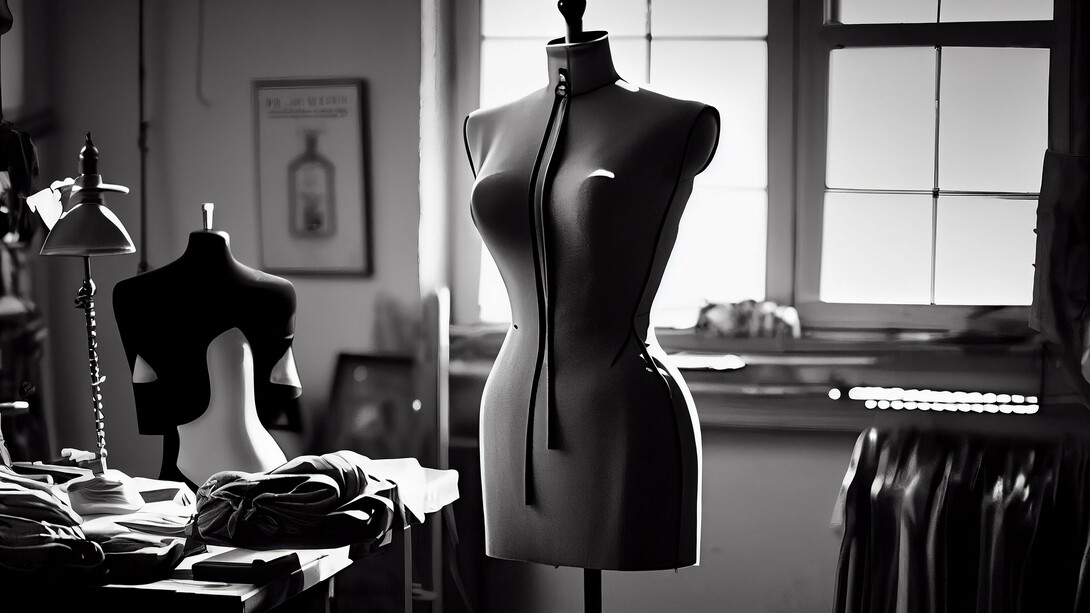
Haute couture’s story begins long before the red carpets and celebrity headlines, but certainly after humans realized clothes could be more than an attempt to avoid hypothermia. In the 19th century, Charles Frederick Worth—an Englishman bold enough to move to Paris and tell the French how to dress—became known as the father of haute couture. He turned sewing into spectacle, stitched artistic ambition into every seam, and pioneered the radical act of placing a designer’s name on the label. From there, Paris crowned itself the global capital of luxury craftsmanship, becoming the place where tulle, silk, and ambition meet to form wearable dreams.
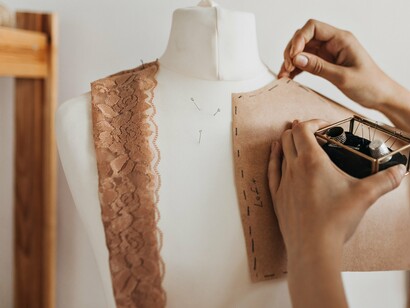
As couture evolved, it gained rules—strict ones, at that. To be officially recognized by the Chambre Syndicale de la Haute Couture, a house must maintain an atelier in Paris, employ a set number of artisans, present two collections a year, and produce pieces largely by hand. It’s fashion’s version of alchemy: rare fabrics, impossible embroidery, ancient techniques, and countless hours of meticulous work. For every garment, a small army of skilled hands transforms mere material into something closer to architectural poetry. This obsessive dedication is the source of couture’s mystique, the element that keeps the world mesmerized by pieces so intricate they seem almost unreal.
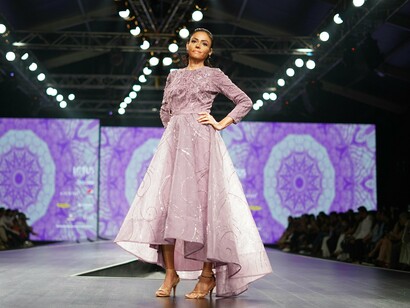
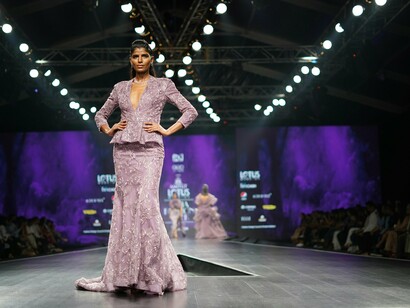
Of course, enchantment comes with criticism. Couture has long been labeled elitist, inaccessible, and at times more theatrical than practical. Skeptics often ask, “Who actually wears this?” The truth is that only a few hundred clients around the world regularly purchase haute couture. And yet, its cultural influence is massive. Shows operate almost like a hybrid between performance art, technological experimentation, and creative manifesto. The ideas introduced on couture runways are often the seeds that eventually grow into mainstream trends—diluted, adapted, and reinterpreted for the masses.
Despite ongoing criticisms, haute couture remains crucial to the architecture of the luxury market. In a world obsessed with speed—fast fashion, fast trends, and fast consumption—couture stands as an elegant protest. It represents slowness, intention, and permanence. Each look is custom-made for one specific body, a process that opposes nearly everything about modern production cycles. For luxury brands, couture is a strategic powerhouse. Even if a gown costs as much as a sports car, its existence fuels desire across the entire brand ecosystem. The couture dream helps sell perfumes, handbags, and sunglasses—the entry points that sustain the industry.
Over the last few decades, the luxury market has been reshaped by younger audiences, new markets, and shifting values. Today’s consumers crave exclusivity, but also meaning, innovation, and connection. Couture has responded—slowly, but surely.
Many collections now integrate technology, sustainability, or futuristic design approaches while preserving the handwork that defines the craft. Designers blend global references, streetwear influences, and classic couture codes, making the category feel less like a relic and more like a living, evolving language. The result is a deliciously contradictory mix: gowns fit for royalty coexisting with pieces that look straight out of a sci-fi odyssey.
Historically, haute couture has always been more laboratory than business model. Christian Dior reshaped post-war femininity with the New Look, restoring fullness and fantasy to clothing after years of fabric rationing. Yves Saint Laurent blurred gender lines with tailored suiting, redefining power dressing. In the modern era, designers like Iris van Herpen push couture into new realms—using 3D printing, experimental materials, and fluid silhouettes inspired by biology. These innovations remind us that couture, despite its heritage, is constantly moving forward.
At the same time, couture faces pressure to adapt to today’s expectations of transparency and responsibility. Younger generations don’t just consume fashion—they interrogate it. They want to know where materials come from, how artisans are treated, and whether exclusivity can coexist with ethics. Some houses have begun embracing sustainability by repurposing archival fabrics, investing in local craftsmanship, and rethinking waste. Yet couture carries an inherent contradiction: how do you balance luxury and responsibility when exclusivity itself is part of the appeal?
Even so, haute couture maintains a powerful symbolic presence. Most people will never own a couture garment, but they experience its influence through film, red carpets, and social media. On celebrities and stars, couture becomes storytelling. Every look sends a message—about identity, artistry, or status. A single gown can dominate global headlines, reinforce a brand’s prestige, and fuel dreams in millions of fans who may never set foot in a Parisian salon. In this sense, couture is not just clothing; it’s visual poetry with excellent PR skills.
Behind all the glamour lies a quieter, more fragile truth: couture depends on artisans whose skills are irreplaceable. From pleaters and embroiderers to feather specialists and lace makers, these craftspeople safeguard techniques passed down across generations. Their work is the heartbeat of the ateliers, yet the number of young professionals willing to learn these trades is shrinking. To preserve the future of haute couture, many maisons have invested in schools, training programs, and collaborations that keep these crafts alive.
Technology, meanwhile, is expanding couture’s reach in unexpected ways. Digital fashion shows—accelerated by the pandemic—brought couture into the homes of people worldwide. Virtual presentations, immersive videos, and interactive experiences sparked debates: Does digital couture dilute exclusivity, or does it simply democratize appreciation without compromising the essence? What seems certain is that couture is learning to exist both in the physical world of silk and stitches and in the intangible world of pixels and screens.
Ultimately, haute couture remains fashion’s purest expression of imagination. It has never claimed to reflect everyday life; that’s not its role. Couture is fantasy, ambition, experimentation, and heritage woven together. It stands at the top of a larger pyramid that includes ready-to-wear, accessories, beauty, and lifestyle products that support the maisons financially. Every hand-sewn stitch contributes to the cultural and artistic legacy of fashion, capturing the spirit of each era with precision and drama.
In the end, couture survives because it offers something rare in a hyper-industrialized world: the promise that craftsmanship, time, and artistry still matter. It’s where the impossible is treated as an invitation, where beauty is allowed to be slow, and where clothes become stories rather than objects. As long as humans crave wonder—and as long as artisans continue to bring it to life—haute couture will remain the glittering, paradoxical, irresistible heart of fashion.