English
 Español
 Français
 Deutsch
 Italiano
 Português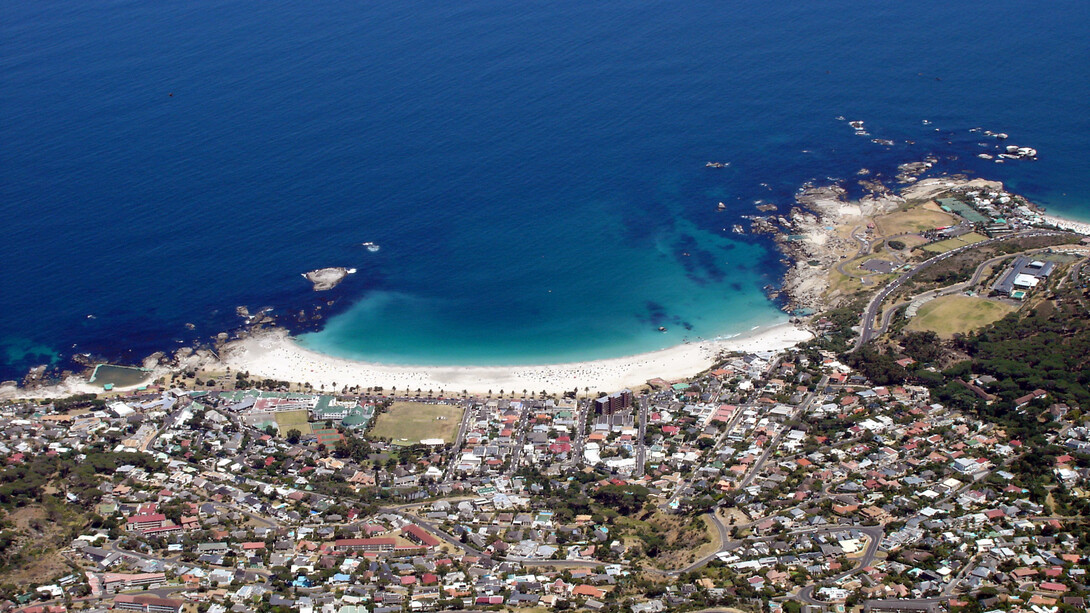
Before coming to Cape Town, I thought I had a pretty clear idea of what it would be like.
I’d heard about Table Mountain, the beaches, the wine, all the things people mention when they talk about Cape Town, South Africa. And to be fair, those things are exactly as good as they look.
But what caught me off guard were the small things.
For example, getting around the city takes longer than you might think. Locals often give you tips that can change your whole plan for the day. And sometimes, you set out to do everything on your list, but end up doing something totally different instead.
After a few days, you start to see that this isn’t a place you can plan out completely. That’s what makes it even better.
No one really tells you that the best parts of Cape Town are the surprises you never expected.
Safety isn’t simple, but it’s not scary either
It was my first time in this part of South Africa, and I didn’t really know what to expect. But once I got there, that feeling faded pretty quickly.
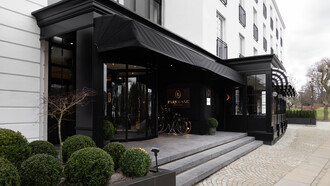
People were genuinely friendly, not in a forced way but just naturally helpful. At my hotel, for example, the staff would share tips about where to go, how to get around, and what to watch out for. It never felt like a warning, just locals wanting you to enjoy their city.
That really made a difference. Of course, there were times when I paid more attention to my surroundings.
One night at a Carnival, as it got dark, I felt a bit unsure; not because anything happened, but because I didn’t know the area well yet. That’s when I realized that safety here is about staying aware.
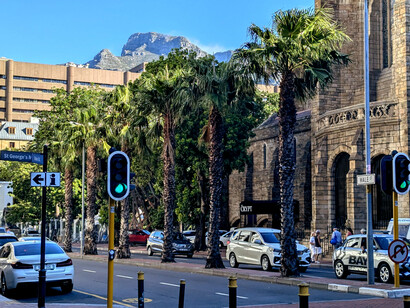
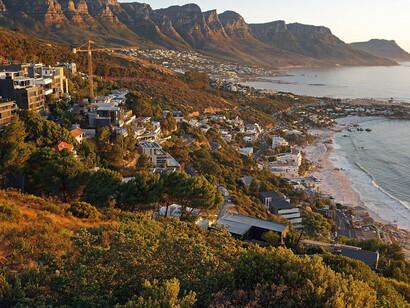
In places like Green Point, De Waterkant, or along the Atlantic Seaboard, I felt completely comfortable. Walking around, grabbing food, using Uber. In other areas, like parts of the Cape Flats or Mitchell's Plain, I understood why it’s better to go with guided tours or local advice.
Cape Town isn’t simple. Once you accept that, you start to move around with more understanding instead of fear.
The weather has multiple personalities in one day
People often say Cape Town’s weather is unpredictable, shaped by the wind, ocean currents, and changing clouds. Locals talk about the “Cape Doctor,” a wind that clears the air and sometimes changes the mood of the city.
When I arrived at the end of March, it felt like summer was still going. The days were warm, the skies were clear, and the sunlight lasted longer than I thought it would. Sometimes the weather changed, like when fog rolled into Sea Point and made the city feel softer, but it never got in the way of my plans.
In fact, it added to them.
One morning, the air was cooler, and the sky was a bit cloudy. I stuck with my plan and went wine tasting. Going from the ocean to the calm vineyards, especially in places like the Franschhoek Winelands, felt like visiting two different worlds in one day.
If you want to hike Lion’s Head or take the Table Mountain Cable Car, it helps to stay flexible. What I learned is that Cape Town’s weather doesn’t always get in the way; it just changes things.
Time moves differently here
Time feels different in Cape Town, but it’s a subtle change, not a dramatic one.
One morning, I signed up for a 7:30 AM yoga class. I thought I’d check in quickly and get started, but the front desk took time to explain how the studio worked, how the class would go, and what to expect.
At first, I felt a bit overwhelmed because everything was explained so fast. I thought I might get lost, but in the end, it all worked out. That’s something I noticed during my trip; things might seem new at first, but you get used to them quickly.
Another thing I really appreciated is that everything started on time: classes, tours, and sessions were all punctual. After spending time in some Latin American countries where schedules can often be ignored, this was a pleasant surprise. It meant I could plan my day and trust things would run as expected.
My mornings slowed down in a new way. I’d wake up around 5:00 AM, take a few minutes to sit and breathe, and wait for the sunrise at about 6:40. There was no rush, just a gentle start to the day.
During those two weeks, I kept things simple. I’d grab coffee, walk around Camps Bay or Sea Point, or stop by places like Checkers or Pick n Pay. Nothing complicated, but everything felt easy.
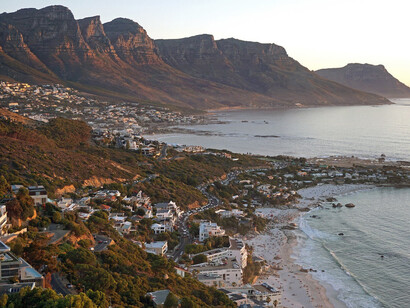
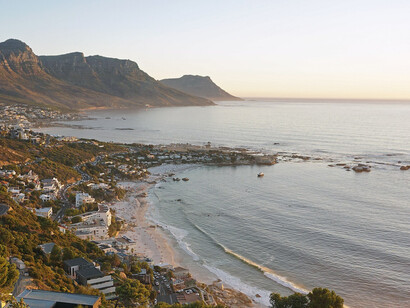
In the evenings, I always tried to catch the sunset. Camps Bay, Saunders' Rocks Beach, and Sea Point soon became my favorite spots to watch it.
Cape Town gives you room to move at your own pace.
Booking in advance vs. going with the flow
Traveling to Cape Town is about finding a good balance. Some things are worth planning.
Popular Tours, trips to Robben Island, or places like Cape Point and Cape Agulhas can get booked up pretty quickly. The same goes for accommodation, whether it’s a nice Airbnb or hotels like Onehundred On M, it’s better to lock those in early.
Other than that, I didn’t plan much, and that worked out great.
Most days, I decided what to do as I went along. If I wanted to go wine tasting, I’d book it the night before. Other plans came together over morning coffee, depending on my mood or the weather.
There’s something great about not over-planning in Cape Town. It lets you explore without feeling pressured. Of course, things don’t always go perfectly.
I planned to go up Table Mountain, but the weather wasn’t good that day. Instead of pushing ahead, I changed plans and joined an Urban Safari. It wasn’t what I expected, but it ended up being one of the highlights of my trip.
I also took the Hop On Hop Off bus to get a better feel for the city. It’s an easy way to see how everything connects, especially if you’re not using all the public transport options.
In the end, Cape Town rewards you for being flexible. The less rigid your plans, the more space you have for those unexpected moments that often turn out to be the best.
You’ll notice the layers of culture and history
Cape Town is beautiful right away, but the longer you stay, the more you notice what’s happening beneath the surface.
This city is shaped by its history, many cultures, and people from around the world. Places like Robben Island tell powerful stories, and neighborhoods show a mix of African, European, and Asian influences all living together.
You notice it in the small things, like how people switch between English, Afrikaans, and IsiXhosa when they talk.
You also see it in the food, from traditional Cape Malay dishes to modern places like Sevruga Restaurant, Silo Rooftop Bar, or Gold Restaurant.
Some people call Cape Town a gourmet capital, and that’s true in many ways. But food here is more than just great meals; it’s tied to culture, history, and identity.
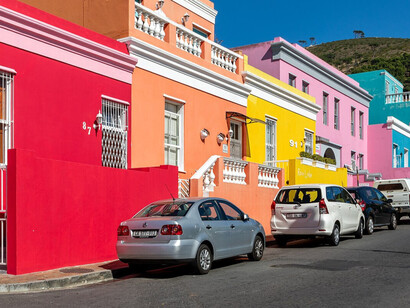
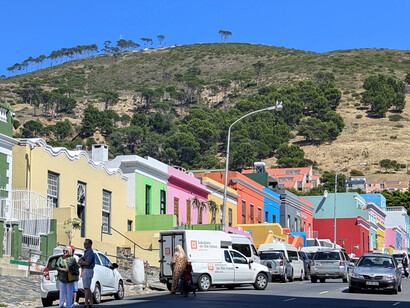
When you walk through places like Bo-Kaap or spend time in creative neighborhoods like Woodstock, Kloof, and Observatory, you start to see how the city’s different parts come together.
You’ll leave with more questions than answers
Cape Town is one of those places that doesn’t fully make sense right away.
It’s beautiful, but it’s also complex. You see stunning landscapes, but you also notice differences between neighborhoods. Some places feel calm and easy, while others feel more real and challenging. That mix stays with you.
You arrive expecting to enjoy the views (Table Mountain, the beaches, the wine farms) and you do. But what really stays with you are the smaller things: conversations with people and moments when you just pause and take it all in.
That’s what makes Cape Town feel different. It’s not just a place you visit and forget. It makes you think more about how people live, about history, and about contrasts.
You might not completely understand it by the time you leave, and that’s okay. No one really tells you that your experience in Cape Town doesn’t end when your trip does. It stays with you quietly, long after you’ve gone home.