English
 Español
 Français
 Deutsch
 Italiano
 Português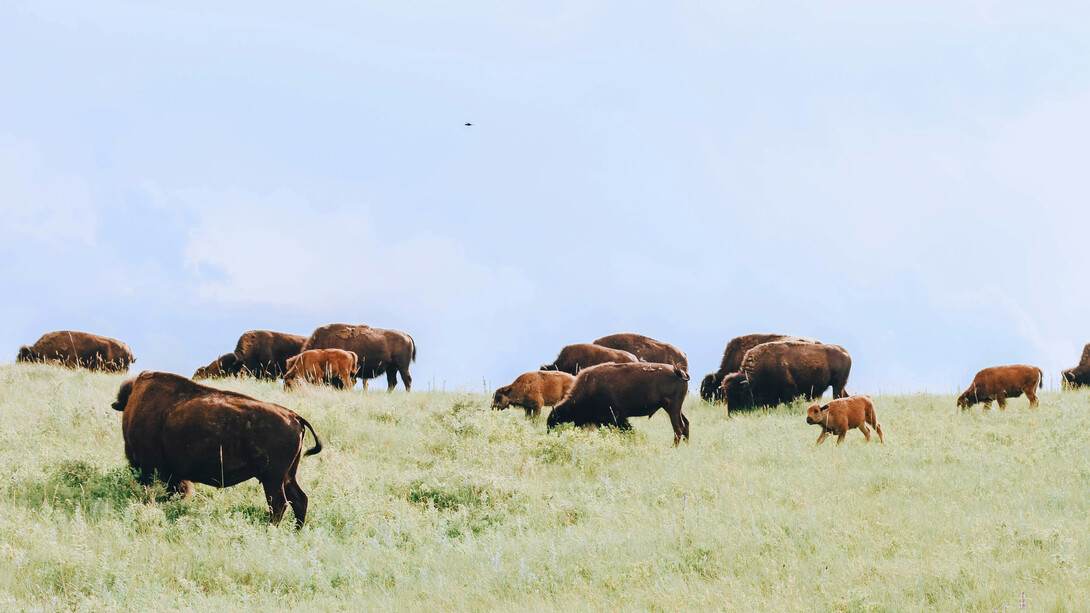
A jury trial brought me to the center of Montana — Great Falls — a place of wild west vibes and plenty of taxidermy. At the Great Falls airport, I was greeted by a preserved grizzly bear with menacing claws and teeth. Taking the elevator down to baggage claim, a fierce mountain lion seemed poised to pounce on travelers.
Even the federal courthouse had its share of formerly living animal trophies. A huge buffalo head peers down at people entering via the security desk. Various animal busts line the reception area.
It was initially unsettling. Anything, however, can become your new normal.
This central Montana area feels wide open, with the Rocky Mountains in the near distance. It is part of Big Sky country, full of scenic beauty, with less light pollution, enabling more visibility of the galaxy’s stars at night.
Great Falls is bisected by the Missouri River and received its name from the nearby five Missouri River waterfalls, north and east of the city. In 1805, it took the famous explorers, Meriwether Lewis and William Clark, more than a month to portage around the falls. Three of the waterfalls — Black Eagle, Rainbow and the Great Falls — are among the sites of hydroelectric dams in the area, which gave the city its nickname, “The Electric City.”
The city, incorporated in 1888, is overwhelmingly white. I did not see a single Black person there during my weeklong stay. At the same time, as a person of color, I did not sense any discrimination or experience racist attitudes.
Great Falls was the first known community in Montana to elect an African American person. In 1894, the electorate chose William M. Morgan for a constable position. The city also had the first woman editor of a newspaper in Montana, Martha Edgerton, and the first Black public library director in the state, Alma Jacobs. Another woman first was Kathy Taylor, the state’s first female firefighter.
Once Montana’s largest city, Great Falls is currently the third most populous city in Montana, after Billings and Missoula. Its climate is cold and semi-arid. I saw tumbleweeds blow by as I drove around the area.
It was built as a railroad hub, and train horns can be heard throughout the day and night. Great Falls is also cattle rich, and meat headlines the menus of many restaurants there.
The downtown area’s older architecture makes it look like a small-town scene out of the 1960s. There are microbreweries, bistros and quirky coffee shops. A tiki bar, the Sip ‘n Dip Lounge, was built in 1962 and features an indoor swimming pool visible through a bar window where women dressed as mermaids entertain the guests. Frommer’s travel guide calls the Sip ‘n Dip “one of the kitschiest, wackiest and flat out coolest nightspots, not just in Montana, but in the entire West.”
The city offers contemporary and western art at the Paris Gibson Square Museum of Art and the C.M. Russell Museum. The Lewis & Clark Interpretive Center, chronicling the Corps of Discovery’s epic western journey, and the First Peoples Buffalo Jump State Park, offer opportunities for visitors to explore the state’s heritage and history. At certain times of the year, the Montana Pro Rodeo Circuit Finals, Western Art Week and the Montana State Fair take place in Great Falls.
Some call Great Falls Montana’s Basecamp. It is located halfway between Glacier National Park and Yellowstone National Park, two of the premier national parks in the United States. Just north of Glacier, Canada’s Waterton Lakes National Park is one of the most photographed locations in the world.
Forty-five minutes outside of Great Falls, the Bob Marshall Wilderness Complex, called “the Bob,” is a hiking area known for the highest population density of grizzly bears in the U.S. Thirty miles south of the city, the scenic Wolf Creek Canyon has roughly 3,500 to 5,500 trout per mile, one of the highest populations of that species in the country. When my children were young, we took a fly fishing trip to this area and they caught plenty of fish with little effort. Eagles, osprey and bighorn sheep are common sights along the river’s banks in this area.
There are few flights to or from the Great Falls International Airport. There are no direct flights from Washington, DC, where I live. I was routed through Denver en route one way and Seattle the other. Las Vegas, Nevada and Salt Lake City, Utah are also serviced from this airport.
Prices were lower than encountered in large American cities. I did not venture into the local cowboy bar near my hotel, but did try a selection of local restaurants.
The jury pool for the trial I was involved in drew potential jurors from five hours away from the courthouse, which reflects the smaller population density of the state. Though I did not encounter any of Montana’s wildlife, the people I met were uniformly friendly.
The city’s website counsels visitors to “remember to reflect on the fact that you’re walking in the footsteps of Lewis and Clark, the Blackfeet Indians, the buffalo and the grizzly bear.” With the airport’s large showcase of one of its fiercest furry inhabitants, I definitely reflected on at least some of those facts.