English
 Español
 Français
 Deutsch
 Italiano
 Português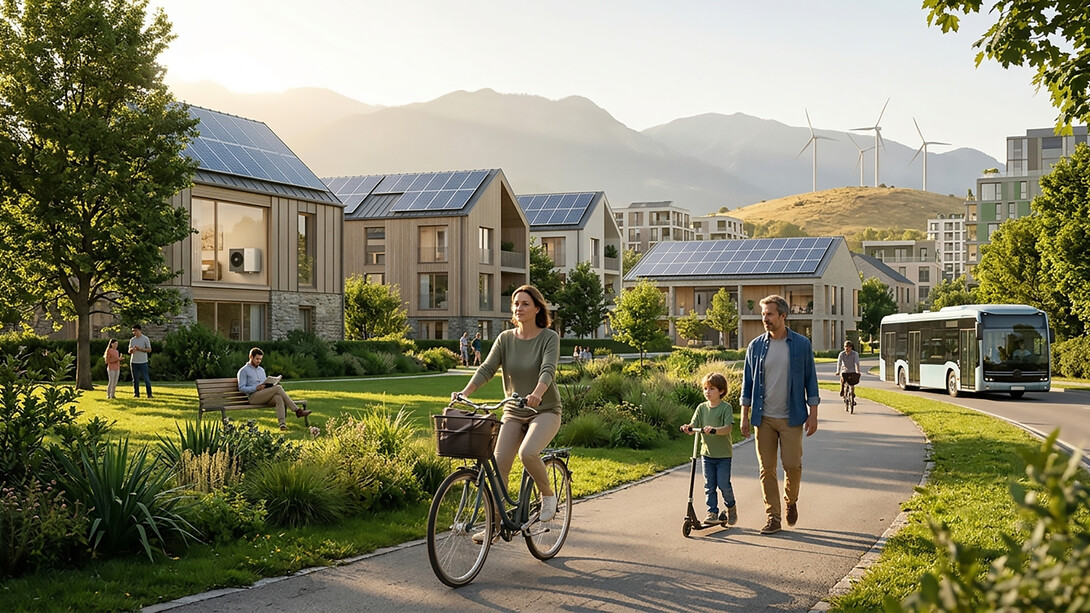
Relying on local energy resources, such as energy efficiency and photovoltaic electricity production, protects consumers from high oil and gas prices and the insecurity of supply from distant sources, such as those that pass through the Strait of Hormuz.
What could be more local than the energy savings in your home and city? Efficient home appliances and lighting, heat pumps for heating and cooling, and adequate thermal insulation comprise the elements of an energy-efficient home with lower utility bills. And we walk, bike, use public transport, or drive hybrid or electric vehicles to get around. The smartest cities provide ample green space where we can experience nature and enjoy numerous health benefits. Our factories and workplaces can become increasingly energy and resource-efficient. Even our consumption can be smarter with verifiable information on carbon emissions and the ability to repair and recycle the goods and services we use. Only with adequate information can we make clear choices.
And the good news is that more precise accounting has allowed us to know the non-energy benefits of saving energy. The IEA identifies nine advantages: greater affordability, increased competitiveness, more grid investment, improved energy security, reduced carbon emissions, job creation, higher asset values, health benefits, and economic growth. In the US, the Midwest Energy Efficiency Alliance estimates that up to 75% of the benefits of energy-efficient projects can come from non-energy benefits. The EU project KNOWnNEB shows that the non-energy advantages can boost the overall gains by 84%. In other words, accounting for non-energy benefits greatly enhances the economic attractiveness of energy efficiency. In Italy, Dario Di Santo, Director of the Italian Federation for the Rational Use of Energy (FIRE), is making these estimates and pressing for a standard measurement method.
As we know, the easiest and most attractive actions of energy efficiency are made initially, the so-called low-hanging fruit, leaving the more challenging investments to the last. If we use energy intensity as an indicator of potential savings, we observe that the more efficient Western countries, such as the UK and Italy, have energy intensities (kilowatts/GDP) of 0.77 and 0.80, respectively. Germany has 0.87 compared to 1.30 for the world, 1.36 for the US, and 1.65 for China. There is ample room for the world to pass to lower intensities by investing in energy efficiency. In Italy it will be more difficult, as the country already has a low intensity; however, further improvements are possible through electrification of the economy, savings in transport and heating of buildings, the use of AI, better accounting for non-energy benefits, and additional industrial improvements.
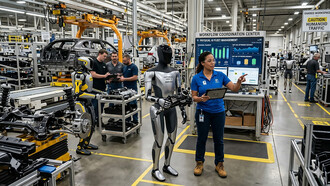
AI solutions can help optimize operations, reduce costs, improve efficiency, and cut emissions. The IEA estimates that if existing AI applications are widely adopted by the electricity sector, they could save up to $110 billion annually and unlock 175 gigawatts (GW) of transmission capacity over the next ten years. The additional savings are shown below for the most important sectors, where the less energy-intense industrial sectors (other industry), rail, and light commercial vehicles have the highest potential.

Source: IEA.
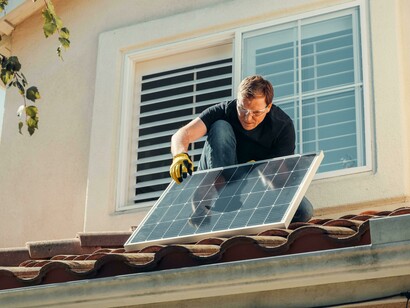
The other essential and local energy source is that which arrives directly from the sun, converted to electricity by photovoltaic (PV) panels.
This production of electricity is usually cheaper than the gas or oil equivalent and is growing faster. Even coal is slowing down as a source for electricity. Similarly, the application of wind turbines is growing. The IEA indicates the global cumulative electric capacity by source below.

Source: IEA.
The fossil fuels are declining, along with geothermal sources, while solar PV and wind turbines are rapidly growing.
Some countries, such as Spain, have made local solar energy a preferred policy. Blessed with ample sunshine and inexpensive rural land, it has installed a record amount of photovoltaic and wind turbine capacity, accounting for over 42% of its electricity generation. As Jose Donoso, CEO of solar association UNEF, reports, “In the new energy system, competitive advantage will depend less on controlling territories rich in oil and more on mastering the technologies that enable the production, storage, and management of clean energy. The new model based on renewable energy offers a major advantage: the sun and the wind are everywhere. Once an installation has been built, it can produce energy for 30 years without creating any dependency. Geography loses value.”
A key technology that is not usually described as solar but is local and depends on a sun-heated environment is the heat pump. It transfers ambient heat from the outside to the inside for heating, and vice versa for cooling. They are usually more competitive than traditional gas boilers and have seen sales rise dramatically in the developed countries, increasing by 11% annually from 2012 to 2024, according to the consultancy Thunder Said Energy, as illustrated below.

Reversible heat pumps have the advantage of furnishing both heat and cooling. Sales of heat pumps are forecast to grow at an even faster rate of 14% per year from 2025 to 2030.
Last year the total investments in energy transition reached an all-time high of 2.3 trillion dollars. The leading sectors were renewable energy, electrified heating (primarily heat pumps), and power grid investments. energy, electrified heat (heat pumps primarily), and power grid investments, as shown below.

In conclusion, to the extent that countries invested in energy savings and green electricity, they avoided the current high costs of oil and gas and energy insecurity. They gained all the non-energy advantages of energy efficiency and invested in the most competitive form of supply. Unfortunately, many countries did not invest enough, and we still depend on fossil fuels for many needs. The high oil and gas prices, resulting from the Iran war, are likely to slow the world economy and increase inflation. The OSCE has recently revised their global GDP growth down to 2.9% in 2026, down from 3.3% last year. Inflation in G20 nations is projected to be 4.0%, 1.2 percentage points higher than previously expected in 2026, and the U.S. headline inflation is forecast to hit 4.2%, also up 1.2 percentage points.
Take a breather, walk or bicycle to your favorite green space, and contemplate…about the beauty of local energy. Maybe you could take one of those actions to increase your or your family’s use of this valuable resource.