English
 Español
 Français
 Deutsch
 Italiano
 Português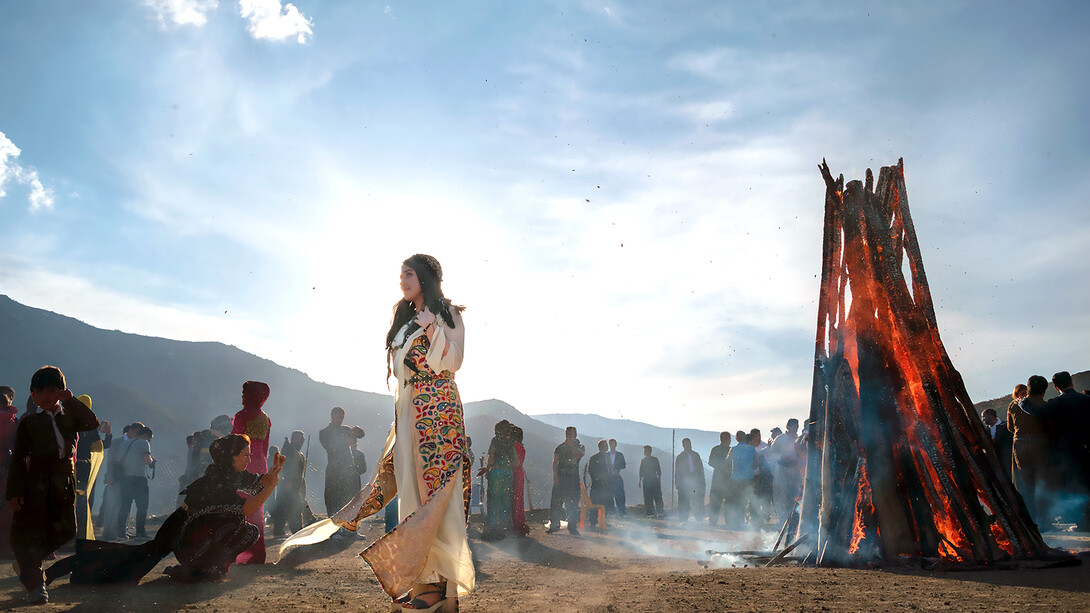
Spring is one of the most universally celebrated seasons worldwide, marking a vibrant transformation after the cold, dark stillness of winter. This enchanting season symbolizes renewal, rebirth, fertility, and an enduring sense of hope. As the earth comes back to life, colorful flowers burst into bloom, crops push their way up through the soil, and the days grow longer and sunnier. Throughout history, cultures have woven a rich tapestry of festivals and traditions to honor this significant seasonal change.
Though the customs associated with spring vary widely, shaped by geography, religion, and cultural heritage, many celebrations share common themes like new beginnings, purification, a sense of community, and deep gratitude for the revival of life. From the dazzling, colorful festivals that fill the streets of South Asia to the beloved tradition of flower viewing in East Asia and the age-old New Year festivities of the Middle East, spring has inspired lively artistic expressions for thousands of years. Each unique celebration reflects the joy and vitality this season brings, knitting together a global narrative of hope and rejuvenation.
Japan: Hanami and cherry blossom season
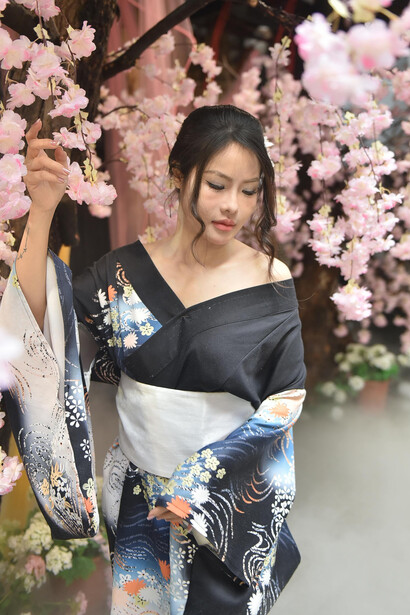
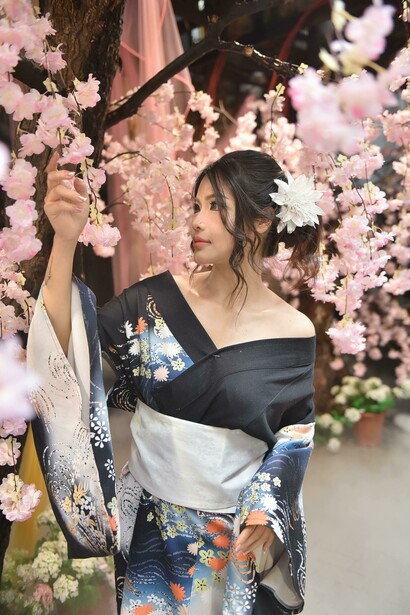
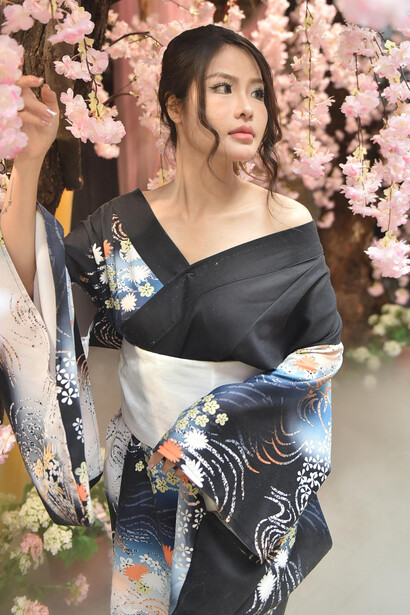
In Japan, spring heralds the arrival of cherry blossoms, or sakura, a symbol of beauty and renewal. One of the nation’s most beloved traditions is hanami, which translates to “flower viewing.” Each year, from late March to early April, cherry trees burst into bloom, drawing families, friends, and coworkers to parks for delightful picnics under the stunning floral display.
This custom has been around for over a thousand years and gained popularity during the reign of Emperor Saga, who famously hosted flower-viewing parties at the imperial court. Today, hanami continues to be both a social gathering and a time for reflection.
Cherry blossoms carry profound meaning in Japanese culture. They bloom brilliantly, yet their beauty is short-lived, symbolizing the fleeting nature of life itself. This notion is closely tied to the Buddhist concept of impermanence. For many in Japan, spring isn't just a time for celebration; it's also an opportunity to appreciate the present and embrace life’s transient beauty.
India: Holi, the festival of colors
In India and among Hindu communities worldwide, spring is warmly welcomed with the vibrant festival of Holi, celebrated in March. Often known as the "Festival of Colors," this lively occasion kicks off with Holika Dahan, where large bonfires are lit to symbolize the triumph of good over evil.
The following day, people flock outdoors to toss brightly colored powders and water at one another. The streets come alive with vibrant clouds of pink, blue, yellow, and green, accompanied by music and dancing.
Holi is rich in both mythological and agricultural significance. It commemorates the victory of good over evil in Hindu lore and also marks the end of winter and the beginning of the harvest season. During Holi, social barriers fade away, allowing individuals of all ages, backgrounds, and statuses to join in the revelry. The festival promotes themes of forgiveness, joy, and new beginnings, making it a truly unifying experience.
Iran and Central Asia: Nowruz
In Iran and many Central Asian countries, spring officially starts with Nowruz, which means “new day.” Celebrated on the spring equinox around March 20 or 21, Nowruz marks the Persian New Year and has been honored for over 3,000 years.
A key tradition of Nowruz is the setup of the Haft-Seen table, a special arrangement featuring seven symbolic items, each beginning with the Persian letter “S.” These items embody positive wishes for the year ahead, such as health, love, prosperity, and patience.
In the lead-up to Nowruz, families engage in a thorough cleaning of their homes, similar to a spring-cleaning ritual. This act symbolizes the removal of negativity and the preparation for a fresh start. During the festivities, relatives visit each other, exchange gifts, and share joyful meals.
Nowruz beautifully encapsulates cultural heritage while also embracing universal themes of renewal, reflection, and hope for the future.
Christian communities: Easter
In many Christian communities worldwide, springtime heralds the arrival of Easter, a celebration of the resurrection of Jesus Christ. This significant holiday occurs in March or April, following a reflective 40-day period known as Lent.
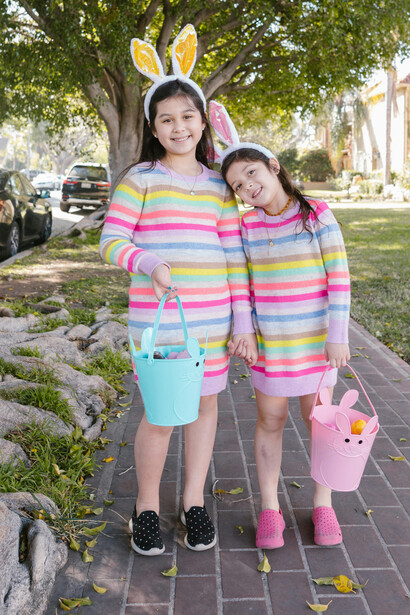
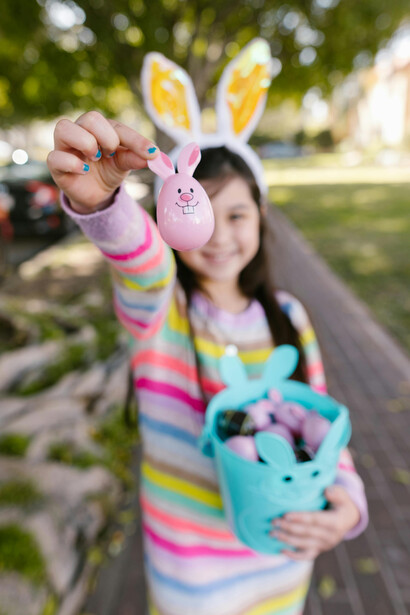
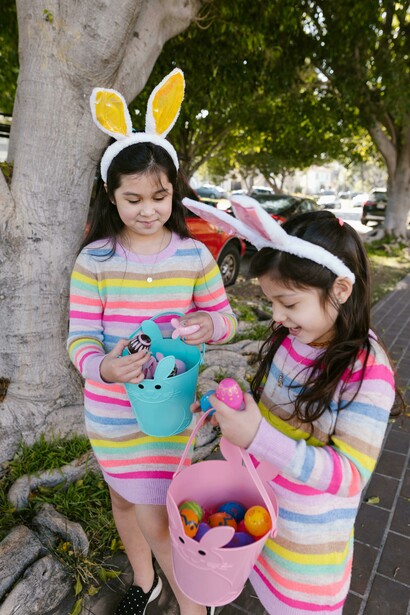
On Easter Sunday, church services are filled with joy and celebration, as families come together for special meals and children eagerly participate in Easter egg hunts. Eggs serve as a central symbol of the holiday, representing new life and rebirth. In various cultures, these eggs are often adorned with vibrant colors, mirroring the lively spirit of spring.
While Easter is fundamentally a religious observance, many of its symbols—such as flowers, lambs, and eggs—are closely tied to themes of renewal and growth. The celebration beautifully intertwines the spiritual aspects of resurrection with the natural rebirth that characterizes the spring season.
Thailand: Songkran water festival
In Thailand, the traditional New Year, known as Songkran, is celebrated in April and marks the beginning of the solar year. This vibrant festival occurs during the hottest time of the year and is famous for its exhilarating water fights, where people joyfully splash water on each other in the streets. However, the significance of water goes beyond just fun; it symbolizes purification and the removal of bad luck from the previous year.
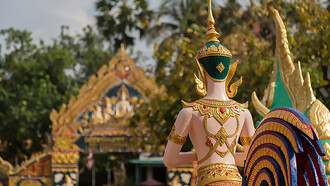
In addition to the lively water festivities, families take the opportunity to visit temples, offer food to monks, and gently pour water over Buddha statues as a gesture of respect. Younger generations also pour scented water over the hands of their elders to receive their blessings. All in all, Songkran beautifully blends joy, respect, and renewal, creating a truly impactful celebration.
Europe: May Day and Beltane
In many European countries, May 1 is celebrated as May Day, a vibrant festival that embraces the arrival of spring and the anticipation of summer. One of the most iconic traditions involves dancing around a maypole, adorned with colorful ribbons and flowers.
In Celtic culture, the ancient festival of Beltane signified the shift into the warmer months. Communities would light large bonfires to safeguard their crops and livestock, promoting fertility and growth. While contemporary celebrations may focus less on agriculture, they still bring people together to highlight joy, community spirit, and the abundance of nature.
China: Qingming festival
In China, the arrival of spring brings the celebration of the Qingming Festival, also known as Tomb-Sweeping Day. Taking place in early April, this occasion is marked by families visiting their ancestors' graves to tidy them up and pay their respects with offerings.
While it has a solemn nature, Qingming is also a time for enjoying the great outdoors. Many families seize the opportunity for spring outings, flying kites and basking in the beauty of the season. This festival beautifully embodies the harmony between honoring cherished memories and welcoming the fresh vitality of spring.
Spring celebrations around the globe, despite their cultural differences, often share similar themes. They highlight the idea of renewal—be it spiritual, agricultural, or personal. Many of these festivities include purification rituals that involve fire or water. The use of bright colors, blooming flowers, and outdoor gatherings stands as a symbol of life returning and warmth settling in. Most importantly, these celebrations help to unite people, fostering stronger community bonds.
Spring represents more than just a shift in weather; it serves as a poignant reminder that life goes on, darkness is fleeting, and new beginnings are always within reach. Across various continents and throughout history, humanity has welcomed spring with joy, gratitude, and hope. These celebrations illustrate how closely intertwined people are with the rhythms of nature and their common yearning for renewal and growth.