English
 Español
 Français
 Deutsch
 Italiano
 Português
Editor's note: this article is published posthumously in memory of Peter Ongera (1972–2026). He devoted his journalism to exploring the social realities and global connections of Africa. In recent years he also advocated for more empathetic reporting, writing about how journalism should work with marginalized communities rather than merely report on them. His work remains a thoughtful contribution to conversations on justice, inclusion, and Africa’s future.
In global debates about climate change, debt, and energy, the voices of African women are rarely centred. Yet across the continent, women and girls are living at the intersection of these crises every day. A growing body of evidence shows that Africa’s mounting debt burden, the continued expansion of fossil fuel extraction and the intensifying impacts of climate change are reinforcing one another—while placing the heaviest social and economic costs on women.
A recent report titled Gender, Debt, and Fossil Fuels: A Mapping of Key Insights from the African Continent, published by the African Forum and Network on Debt and Development in partnership with the Fossil Fuel Treaty Initiative, highlights what researchers describe as a dangerous “polycrisis.” Economic pressures, environmental degradation, and social inequalities are colliding in ways that deepen long-standing gender disparities.
For Africa, the issue is not simply about climate vulnerability. It is about the structural economic conditions that push governments into difficult choices—often sacrificing social protection and environmental sustainability in the process.
Debt that undermines development
Africa’s debt burden has grown sharply in recent years. Total public debt on the continent has surpassed one trillion dollars, while interest payments have surged dramatically over the past decade and a half. For many governments, servicing this debt has become a central fiscal priority.
This pressure is not occurring in isolation. For decades, economic reforms encouraged by institutions such as the International Monetary Fund have promoted fiscal austerity, trade liberalization, and strict debt repayment schedules. While these policies were often framed as pathways to economic stability, they have frequently come at the expense of public investment.
The result is painfully visible. Governments facing tight budgets cut spending on healthcare, education, and social services—sectors that are essential for women and girls.
When clinics lack medicines or schools cannot operate effectively, the burden shifts to households. Women, who already perform the majority of unpaid care work across Africa, absorb these pressures by caring for sick relatives, supporting children forced out of school or finding ways to stretch shrinking household resources.
Economic austerity can also deepen social stress. Evidence increasingly shows that financial crises and austerity measures are often accompanied by rising levels of domestic violence and gender-based violence. In this sense, the consequences of macroeconomic policies are not only financial; they are deeply human.
Fossil fuels as a false solution
Faced with growing debt obligations, some African governments have turned to fossil fuel extraction as a way to generate revenue. Oil, gas and coal projects are frequently promoted as engines of growth capable of boosting exports and improving public finances.
But this strategy carries serious risks.
Across countries such as Mozambique, Nigeria, Uganda, and Tanzania, major oil and gas developments have triggered land dispossession, displacement of communities, and environmental degradation. Women are often the most vulnerable to these disruptions.
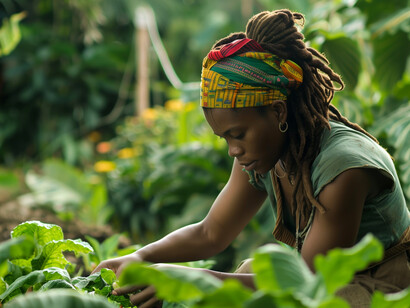
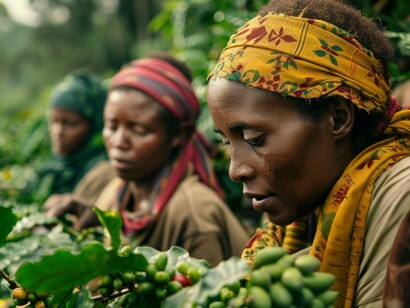
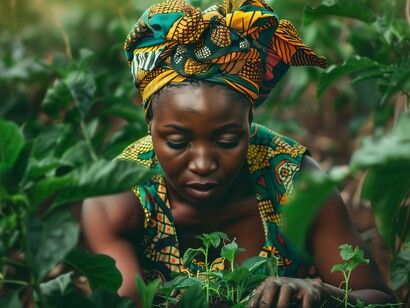
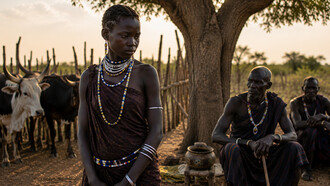
In many rural communities, women depend heavily on land and natural resources for agriculture, water collection, and family livelihoods. When these resources are degraded or seized for extractive projects, women’s economic independence and social stability are undermined.
Moreover, fossil fuel extraction often brings heightened security measures. Military or private security forces deployed to protect energy infrastructure can create environments marked by surveillance, repression, and, in some cases, violence against local populations.
Pollution further worsens the situation. Oil spills, gas flaring, and industrial waste contaminate water sources and farmland, damaging ecosystems that communities depend on for survival. The resulting food insecurity, health problems, and environmental degradation frequently fall hardest on women and children.
Climate change magnifies inequality
Layered on top of these challenges is climate change, which is already transforming landscapes and livelihoods across Africa.
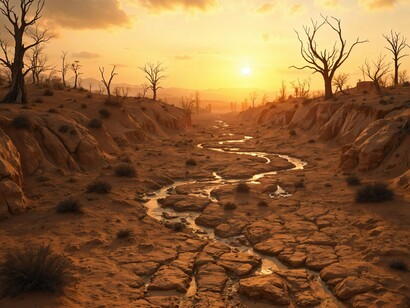
Prolonged droughts, severe floods, and unpredictable weather patterns are disrupting agriculture and threatening food systems throughout the continent. Communities that rely on rain-fed farming are particularly vulnerable.
Women are disproportionately affected by these environmental changes. Social barriers often prevent them from owning land, accessing credit, or participating in formal decision-making structures. Without these resources, adapting to climate shocks becomes far more difficult.
Ironically, Africa possesses enormous renewable energy potential. The continent is estimated to hold roughly 40 percent of the world’s renewable energy resources, including abundant solar, wind, and geothermal power. Yet it receives less than two percent of global renewable energy investment.
This imbalance reflects broader inequalities in global finance and climate policy. Without sufficient funding and technology transfer, African countries struggle to build the clean energy systems needed to address climate change while promoting economic development.
Women resisting environmental injustice
Despite these challenges, women across Africa are not merely victims of these crises. They are also among the most determined defenders of their communities and environments.
Women’s organizations, Indigenous groups, and grassroots movements have played critical roles in resisting destructive extraction projects and advocating for environmental justice. From rural villages to international forums, women activists have demanded development models that prioritize sustainability, equity, and community well-being.
Yet their activism often exposes them to intimidation and violence. Women environmental defenders regularly face harassment, threats, and legal persecution for challenging powerful economic interests linked to fossil fuel industries.
Their courage underscores a broader truth: sustainable development cannot succeed without recognizing women as leaders and decision-makers in environmental governance.
Rethinking global solutions
Addressing these intertwined crises will require more than national policy reforms. It demands a fundamental rethinking of international economic cooperation.
One proposal gaining attention is a global fossil fuel treaty that would coordinate the gradual phase-out of oil, gas, and coal while supporting countries in building renewable energy systems. Such a framework could also open space for renegotiating or cancelling portions of external debt, enabling governments to invest in social services and climate resilience.
Debt relief, fairer climate finance, and equitable energy transitions are not separate debates. They are interconnected components of a broader struggle for global economic justice.
If Africa is expected to lead the transition toward a low-carbon future, it must be given the financial space and policy flexibility to do so without sacrificing the well-being of its people.
The path forward
Ultimately, the crises of debt, fossil fuel dependency, and climate change cannot be addressed in isolation. They are symptoms of deeper structural inequalities within the global economic system.
For African women and girls, these inequalities are not abstract policy questions. They are lived realities that shape daily survival.
Recognizing this reality should transform how the international community approaches development, climate policy, and economic reform. A truly just energy transition must place gender equality at its core—ensuring that women are not merely protected from harm but empowered to shape the future.
Without such a shift, the promise of climate justice will remain hollow for millions across the African continent.