English
 Español
 Français
 Deutsch
 Italiano
 Português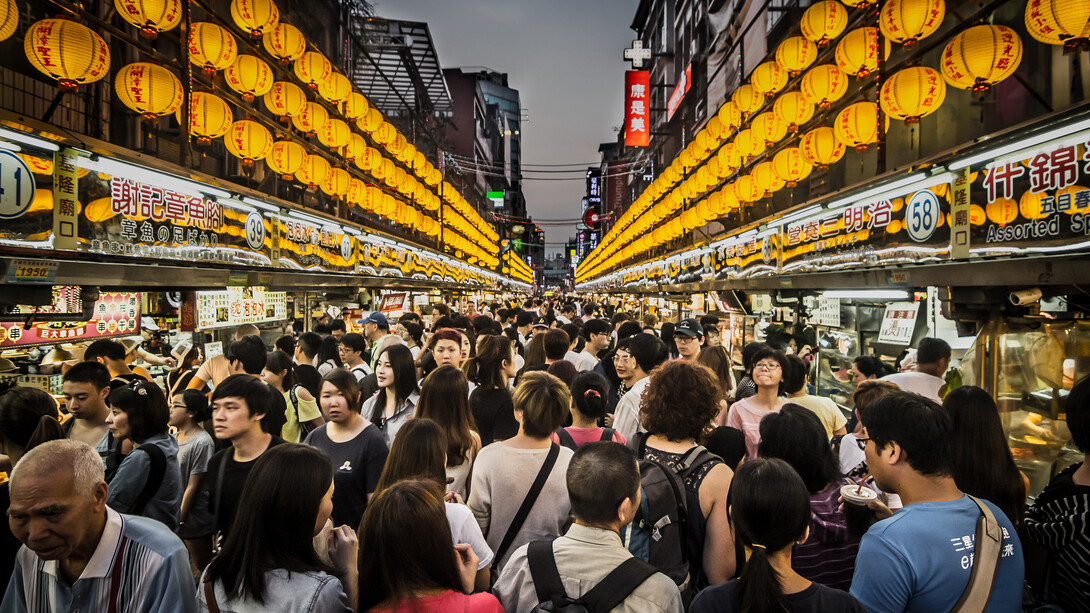
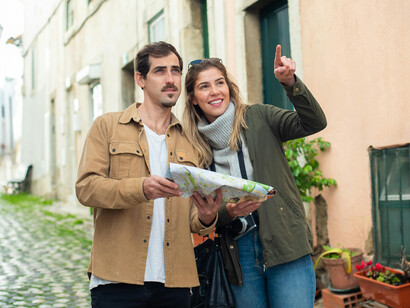
Travel begins with curiosity. Sometimes it’s a story that lingers long after a friend has finished telling it, a book that quietly transports you to a place you’ve never been, or a long-held urge to finally tick a destination off your bucket list. At its best, travel is deeply rewarding, expanding your perspective, sharpening your senses, and reminding you just how vast and varied the world really is. But curiosity alone isn’t enough. The same openness that draws us toward new cultures, unfamiliar foods, and spontaneous encounters can also make us vulnerable to misunderstandings, cultural missteps, and the occasional scam. Knowing how to navigate local customs, respect unspoken rules, and spot trouble before it spots you doesn't diminish the magic of travel; it protects it. The goal isn’t fear or restraint, but awareness, so the stories you bring home are the ones you meant to collect.
Tourist traps: eat first, regret later
Curiosity got the better of me, so I googled “funny names for food poisoning.” What followed was a global roll call of gastrointestinal regret: Delhi Belly, Montezuma’s Revenge, and Turkey Trot. Then there are the classics: the Runs, the Hershey Squirts, and the Two-Step. Hilarious names. Absolutely unfunny experiences.
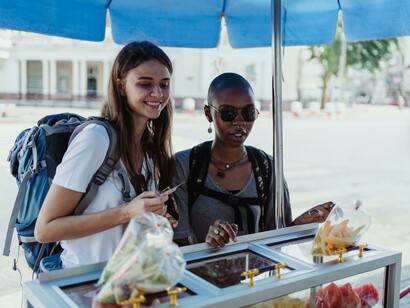
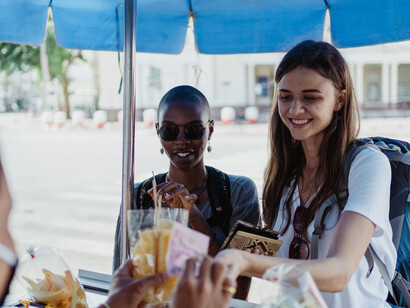
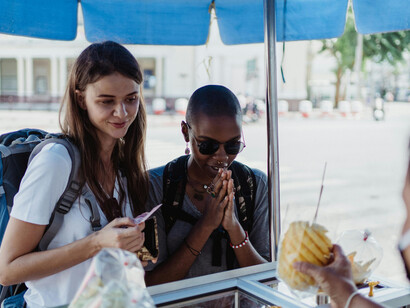
But there’s a special thrill in eating street food that’s not only unfamiliar but also possibly not on the Ministry of Health’s approved list. From the Mexican Tacos Al Pastor to the German Currywurst and the more aromatic Pani Puri, street food lives dangerously and invites you to do the same.
Yes, exploring food markets and local restaurants is part of travel’s magic, but sometimes that magic comes with a price. Just like my Google search, do your due diligence. Read reviews. Trust your guide. Stick to what you know your body can handle because it’s not just the “exotic” stuff that bites back, sometimes even that innocent Manhattan hot dog can unleash the GI apocalypse.
And yet, travelers still tempt fate: fried tarantulas in Cambodia, dancing squid in Japan, haggis in Scotland, escargot in France, and mopane worms in Zambia. These dishes offer real insight into local culture and history, often turning initial hesitation into a surprisingly memorable meal.
No matter how incredible it smells, how photogenic it looks, or how cheap the portion is, if it’s not cooked over an open flame, comes out from a mysterious back door, or hasn’t clearly reached boiling point, maybe don’t put it in your mouth. And just because locals are eating it doesn’t mean your digestive system is emotionally or biologically ready.
Whether it’s the spice level or the hygiene gamble, proceed with caution. Your stomach will remember, and not fondly.
Drinking water: when in doubt, don’t
Be mindful of where your drinking water comes from, whether it’s straight from the tap, poured in a restaurant, or purchased at a corner store. Check that the bottle caps are sealed, the water is clear, and nothing looks tampered with.
I’ve followed one very strict rule since childhood: I never, ever drink tap water. Not even in Alpine nations like Switzerland or Austria, where water is sourced from natural springs. Nor in Nordic countries like Iceland or Norway, where water comes from abundant glacial melt, clean lakes, and strict standards. Even in places like Japan or Singapore, where the water is treated with advanced technology and governed by strict regulations, I choose bottled water.
Why? Because one rule simplifies everything. It shortens research time, eliminates second-guessing, and removes the need to check what the “general consensus” might be in each new destination. I drink bottled water only, no matter the continent, the hour, or what the label says on a cooler in a language I can’t read.
And it goes without saying that the same rule applies to ice. Even when you’ve found the perfect beach or the ideal spot to cool down with a refreshing drink, seasoned travelers often skip the ice. It may look harmless - those perfectly innocent cubes clinking cheerfully in your glass - but ice can be surprisingly mischievous.
In some places where tap water isn’t potable, ice is often made from that same questionable source, meaning your refreshing drink could come with an unexpected gastrointestinal souvenir. The safest travel strategy - even in the sweltering heat - is to admire the ice from afar and order your drink “sin hielo," "sans glace,” or simply “no ice.” Your stomach will thank you later.
Respect the culture, avoid the trouble
Travel opens doors, but it also comes with rules. Ignoring them can turn a dream trip into an awkward (or very expensive) lesson in cultural etiquette.
In many Muslim-majority countries, public display of affection is a firm NO. While a dramatic French kiss barely raises an eyebrow in Paris, the same behavior in the Gulf can attract unwanted attention from authorities. Dress codes also matter. Swimwear is fine at beaches and pools, but modest clothing is expected in public spaces and on tours, especially when visiting mosques or churches around the world.
Across Asia, etiquette leans heavily toward respect and restraint. Shoes are removed before entering homes and sacred spaces. Items are often exchanged using both hands, voices are kept low. Tipping is generally not practiced, and, in some countries, you’re expected to carry your trash with you due to a lack of public bins. Singapore strictly regulates chewing gum, Thailand forbids using your feet to point or move objects, and in Japan, blowing your nose in public is frowned upon.
Even Europe, often perceived as relaxed, has its own rules. Many cities ban sitting on historic fountains and monuments or going topless in public streets. Since July 2025, smoking in public spaces where children are present, including parks and beaches, in France, can result in a hefty fine.
Etiquette isn’t just about politeness, it can also carry real weight. In some cultures, you should always use your right hand when shaking hands or passing items; in Korea, using both hands shows respect. Small gestures can make a big difference. Bottom line: travel with curiosity, humility, and awareness. Respecting local customs doesn’t limit your experience, it deepens it and keeps you out of trouble.
Tourist traps: the art of the scam
Nobody likes to get scammed. And even with pre-departure briefings, warning videos, and endless social-media cautionary tales, it only takes one moment, or one carefully drawn-out setup, to sour an otherwise perfect trip. Social engineering doesn’t just live online. It thrives on the streets too.
The tactic is subtle. The approach feels harmless. The manipulation is carefully crafted to exploit very human instincts: trust, politeness, curiosity, and the desire to be helpful. The scammer identifies a target, assumes the role of a trusted figure, establishes credibility, and then applies pressure just long enough for you to comply.
One of the most common entry points is money. You need to exchange cash and want to avoid bank fees, so you look for a reputable exchange office. Then someone appears, casually offering a “better rate.” Dollars, euros, yen, it all sounds legitimate. You agree, the transaction happens quickly, and only once you walk away and count your money do you realize what’s happened. The outer bills are real, but the rest are worthless notes from another country or outright counterfeits.
Other scams vary by region but follow the same psychological playbook. In some countries, there are fake petitions, “helpful” strangers selling invalid tickets, or scammers posing as plainclothes police who insist on checking your wallet for counterfeit money, only to relieve you of the real thing. In parts of Asia, friendly locals may claim popular attractions are suddenly closed and redirect you to overpriced shops. The casual invitation for tea or a guided walk often ends with an eye-watering bill.
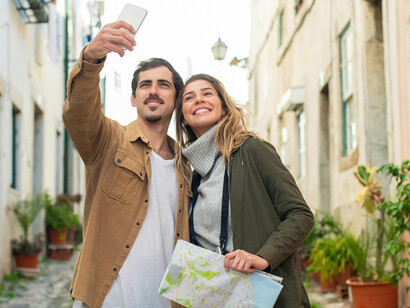
At popular landmarks, someone might eagerly offer to take your photo so everyone can be in the picture. It’s a lovely gesture, until they let you know that the shutter clicks come with a surprise service fee. Others pose as site staff or security officers, asking to see tickets, offering unofficial tours, or insisting on fees that don’t exist.
The rule to live by is to ignore unsolicited help. If you didn’t ask for it, you probably don’t need it. Real assistance doesn’t chase you down, pressure you, or rush your decision. When in doubt, walk away.
Travel should always leave you with something worth carrying home: memories of places that surprised you, stories that grow better with each retelling, and the faces of people you met along the way. A shared meal with a stranger, a kind gesture from a local, a small moment of discovery on a quiet street, these are the things that make travel unforgettable. Yes, there are pitfalls, misunderstandings, and the occasional lesson learned the hard way, but the good far outweighs the bad when you move through the world with curiosity and a bit of caution. Travel rewards those who stay open yet aware, adventurous yet respectful. Do that, and the stories you bring home will always be the ones worth telling.
If travel didn't go according to plan, I'd love to hear it. If you've ever been lost in translation, briefly questioned your life choices, or found yourself in a story no one back home quite believes, send it my way on LinkedIn. The messier, funnier, and more unbelievable, the better. It's these imperfect, unpredictable moments - the ones you never planned - that turn a trip into something unforgettable and leave you with stories that outlast the destination itself.