English
 Español
 Français
 Deutsch
 Italiano
 Português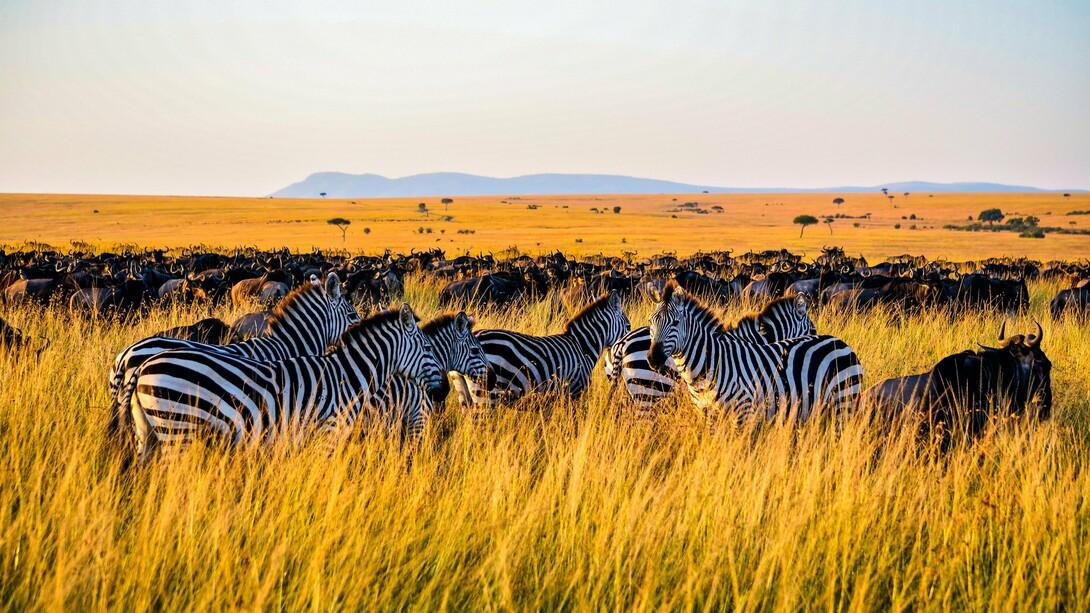
Kenya is a multicultural country located on the eastern coast of Africa. The East African nation has long been referred to as the "gateway to Africa." The Indian Ocean is vital to the Kenyan economy; it's a crucial maritime route for trade in East Africa, and it borders five countries: Kenya to the southeast, Tanzania to the south, Uganda to the west, South Sudan to the northwest, Ethiopia to the north, and Somalia to the northeast.
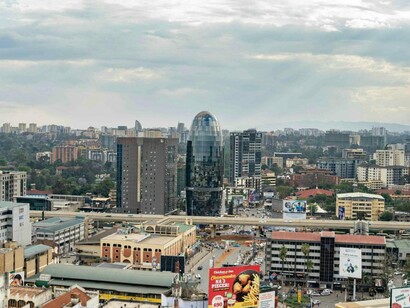
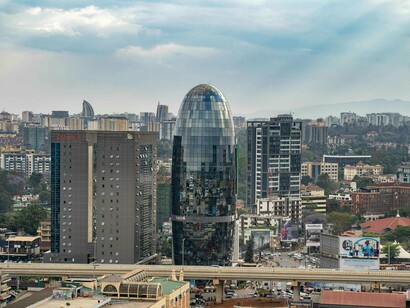
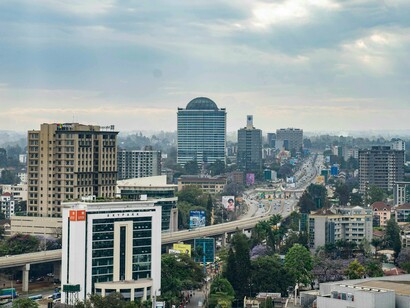
Kenya, which is roughly 580,367 square kilometres in size, has breath-taking scenery, including snow-capped mountains and expansive savannahs. The most dynamic economic hub in East and Central Africa is its city, Nairobi.
Kenya is a global leader in ecotourism, digital innovation, and animal conservation; its capital has earned the moniker "Silicon Savannah" because of its vibrant technology scene. Kenya stands apart in the region thanks to its advanced infrastructure. Through the Mombasa port and Nairobi's aviation hub, it connects the nation with its neighbours and the continent to global markets, facilitating trade for over 400 million people.
The phrase "gateway to Africa" is gained by a combination of strategic location, economic dynamism, infrastructural leadership, and cultural influence rather than just geography. The entry point tag, was coined due to Kenya's strategic location and it's both literal and symbolic, acting as a link between the world and the continent's abundant potential while also supporting the continent's international interactions.
Kenya's status is mostly cemented by its superiority in geography and logistics, with Nairobi's Jomo Kenyatta International Airport being the busiest aviation hub in East and Central Africa, with the largest network of direct flights to destinations in Africa, Europe, Asia, and the Middle East.
Nairobi's interconnection makes it a popular choice for tourists, global brands, visitors, and diplomats.
The port of Mombasa remains the biggest and most effective seaport in the region. It is a vital maritime entry point for both Kenya and its landlocked neighbours, which include Uganda, Rwanda, South Sudan, and the Democratic Republic of the Congo.
In order to facilitate the smooth movement of people and products from the Indian Ocean into the continental heartland, the infrastructure extends inland with an expanding road and rail network. Kenya is East and Central Africa's financial, economic, and technical hub. Numerous global companies, from behemoths like Google and Coca-Cola to significant international banks and non-governmental organizations, have their regional headquarters in Nairobi. One of the biggest exchanges in Africa is the Nairobi Securities Exchange.
More creatively, Kenya has become a global symbol of digital progress thanks to its innovative spirit in mobile technology, exemplified by the revolutionary mobile money application M-PESA. Kenya is positioned not only as a market but also as a laboratory for solutions created for Africa and marketed globally thanks to this "Silicon Savannah" ecosystem, which draws investors and tech talent from all over the world. Its steady, market-driven economy offers a great foundation for activities throughout the region.
Kenya provides a stable and influential political and diplomatic platform. Kenya is a democracy with a long history of peace in a sometimes unstable region. Kenya is therefore the best place for global democracy. As one of the United Nations' four worldwide headquarters, Nairobi is home to the UN Environment Program (UNEP) and UN-Habitat, making it the world's environmental capital and a hub for sustainability policy.
Through the African Union, Kenya continuously takes the lead in settling regional disputes and spearheading pan-African initiatives. This diplomatic weight guarantees that world leaders who want to comprehend and interact with the continent must make a trip there.
Kenya presents a strong, approachable cultural and social image of Africa to the rest of the globe. For millions of tourists, Kenya is the perfect African vacation because of its renowned landscapes, which include the Maasai Mara's spectacular wildebeest migration and immaculate Indian Ocean beaches. This brand awareness is valuable. Digital media channels are essential for promoting Kenya's dynamic and imaginative art scene and influencing conversation throughout East Africa.
Kenya has two official languages: Kiswahili and English. Swahili is the most widely spoken language in most East African nations, lowering obstacles that come with language barriers and at the same time enhancing Kenya's function as a cultural bridge.
Kenya's gateway status comes with a heavy price and it has its shortcomings. The gateway status has to boast a well-functioning infrastructure, which mostly demands an ongoing investment. Sometimes businesses might be hampered by bureaucratic inefficiencies, and vulnerabilities can occasionally occur. When this happens, a proactive approach to resolving these difficulties that combines extensive public-private partnerships is required.
Having well-connected railroads and highways, ongoing business climate changes, and leadership in regional security shows a dedication to preserving its vital status.
Kenya serves as the most functional and integrated entry point to Africa. It is where international planes meet continental networks, where African innovation meets global capital, and where local reality influences worldwide policy discussions.
In addition to providing a path to Africa, it also offers the diplomatic forums, trading floors, communication centres, and corridors that enable significant interaction. The most sensible, active, and interconnected place to start has turned out to be Kenya. Kenya interacts with the globe, and it has emerged as a strong and significant voice and conduit.
Kenya's position as the gateway is both a historical fact and a constantly changing reality in terms of reception and presentation.