English
 Español
 Français
 Deutsch
 Italiano
 Português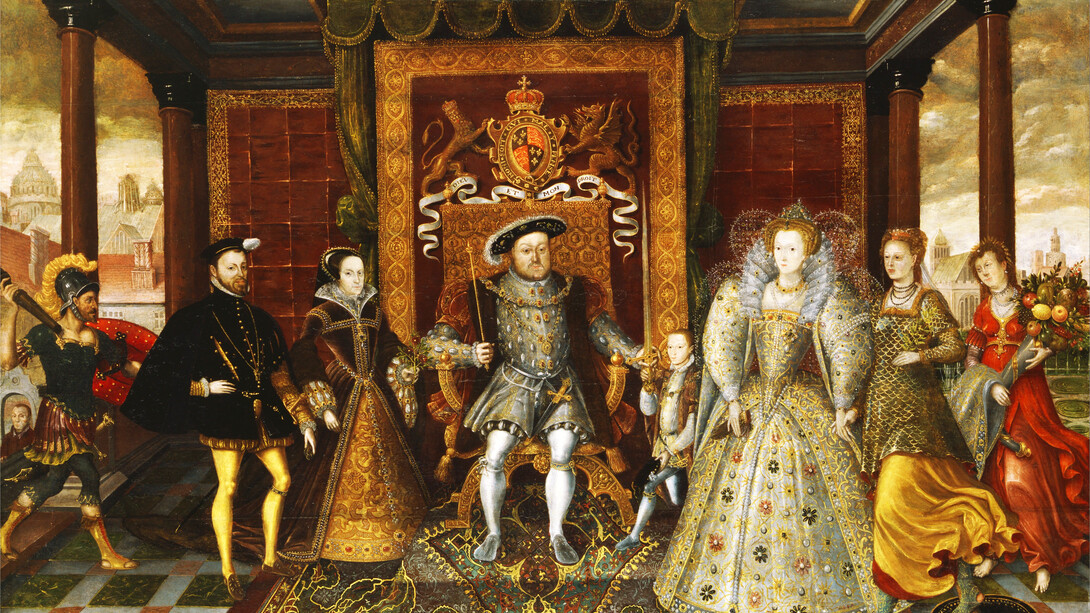
Few periods in European history dressed power as theatrically as the Tudor court. Under the rule of Henry VIII and later Elizabeth I, clothing was not simply adornment—it was propaganda, spectacle, and armor. Rich velvets, cloth-of-gold, exaggerated sleeves, architectural silhouettes, and jewel-encrusted surfaces transformed the body into a political stage.
The Tudor era (1485–1603) was defined by consolidation of royal authority, religious reformation, and international rivalry. In this climate, appearance mattered immensely. Clothing laws—known as sumptuary laws—regulated who could wear certain fabrics, colors, and furs. Purple silks, ermine trims, and cloth-of-gold were reserved for the highest ranks of society. Fabric was hierarchy made visible.
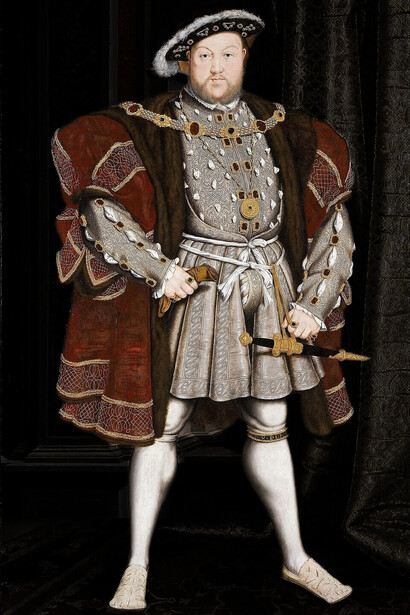
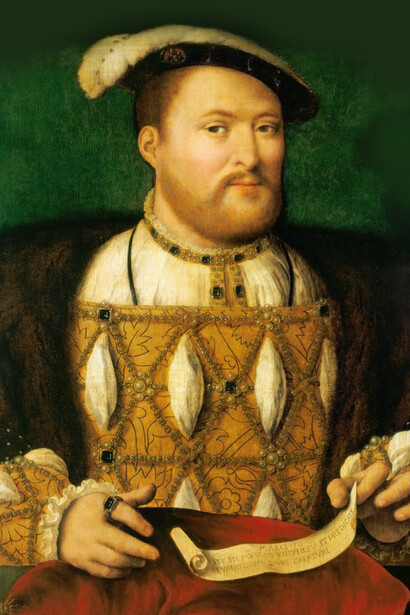
For Henry VIII, fashion became a declaration of dominance. His portraits present him broad-shouldered and imposing, dressed in heavily padded doublets with slashed sleeves revealing contrasting linings beneath. The technique of slashing—cutting into the outer layer of fabric to expose rich material underneath—created depth, movement, and visual richness. It was extravagance engineered.
The exaggerated width of Henry’s silhouette was deliberate. Wide shoulders, full sleeves, and voluminous skirts visually expanded his presence. Clothing constructed masculinity as strength and stability, even as the king aged or his health declined. The body beneath the garments mattered less than the image they projected.
This theatrical manipulation of silhouette finds an obvious parallel in contemporary fashion. Today’s oversized tailoring, strong-shouldered blazers, and structured coats echo Tudor strategies of magnifying the body to signify authority. The modern power suit is, in many ways, a descendant of the Tudor doublet.
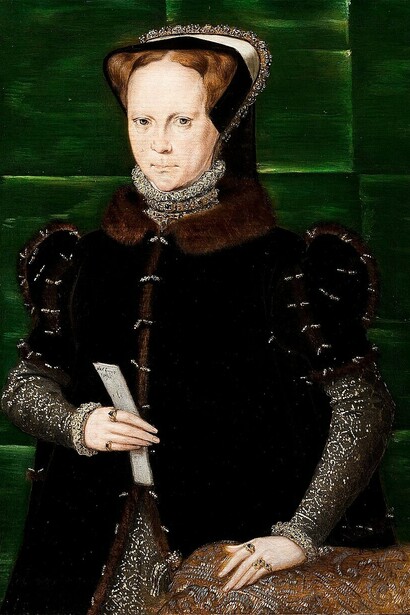
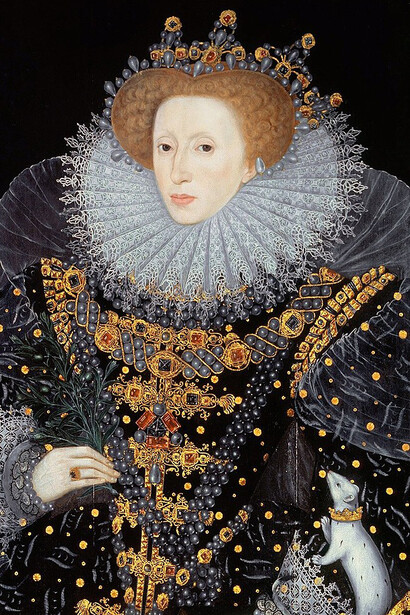
Tudor fashion was sensory and textural. Heavy velvets, damasks, brocades, and satins gleamed under candlelight. Embroidery, pearls, gemstones, and metallic threads encrusted garments with symbolic meaning. A single gown could represent enormous wealth and months of labor.
Clothing functioned almost like architecture—constructed, layered, and engineered. Undergarments such as farthingales and padded rolls shaped the outer garments into dramatic forms. Structure was hidden beneath softness, much like couture today.
Modern designers frequently return to these textural contrasts. Metallic jacquards, ornate embellishments, and velvet revival pieces appear on contemporary runways season after season. The appeal lies not only in nostalgia but also in the tactile drama such materials create. In an era dominated by fast fashion and digital imagery, these surfaces feel almost defiant—luxury that demands physical presence.
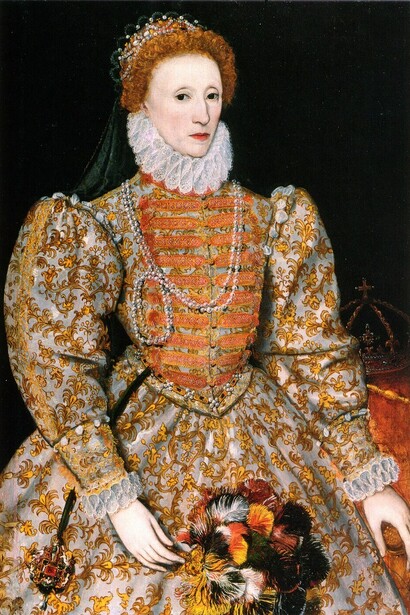
No Tudor accessory is more iconic than the ruff. This pleated collar, often starched into precise, sculptural forms, framed the face like a halo. It elevated the head, forcing upright posture and restricting movement. The ruff transformed the wearer into a living portrait.
Under Elizabeth I, the ruff reached extraordinary proportions. The queen’s image was meticulously controlled; her gowns were layered with symbolism—pearls representing purity, celestial motifs suggesting divine right. The collar became part of this visual mythology, framing her ageless persona.
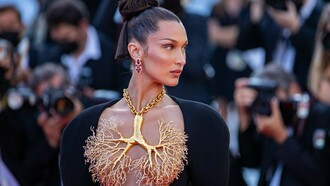
The contemporary revival of statement collars and exaggerated necklines speaks directly to this heritage. High fashion frequently experiments with sculptural neckpieces, oversized bows, and dramatic collars that command attention in photographs. On red carpets and editorial spreads, the face remains the focal point, carefully staged and encircled—just as it was in Tudor portraiture.
Designers across decades have drawn directly from Tudor codes of excess and structure. Alexander McQueen repeatedly referenced Elizabethan silhouettes, high collars, and romantic darkness, transforming historical shapes into sharply modern statements. His collections often balanced fragility with aggression—a tension deeply rooted in Tudor aesthetics.
Vivienne Westwood embraced corsetry and historical tailoring, deconstructing and reinterpreting Renaissance forms with punk irreverence. Meanwhile, Italian houses such as Dolce & Gabbana have celebrated brocade, religious iconography, and opulent embroidery reminiscent of royal courts.
The Tudor revival is not a literal reproduction. Instead, designers extract key codes: Exaggerated volume, ornamental surface detail, historical symbolism, and sculptural construction. These elements resurface cyclically because they answer a perennial human desire: to be seen, to be magnified, to be mythologized.
Tudor fashion also complicates modern ideas about gender. While today we associate flamboyance with femininity, Tudor menswear was extraordinarily ornate. Henry VIII’s wardrobe was as embellished as any queen’s. Men wore jewels, embroidery, bold colors, and padded silhouettes without apology.
This challenges contemporary assumptions and aligns closely with today’s gender-fluid fashion movements. The resurgence of pearls in menswear, embroidered tailoring, and theatrical silhouettes echoes a time when masculinity embraced ornamentation.
Fashion cycles often reframe history as rebellion, yet Tudor dress demonstrates that extravagance in male attire is not radical—it is historical continuity.
The Tudor court operated in a culture of display. Public appearances, court ceremonies, and painted portraits were moments of image control. Clothing communicated legitimacy, wealth, and divine favor.
Today’s fashion operates within a similarly visual ecosystem. Red carpets, fashion weeks, and social media platforms function as contemporary courts. Designers create headline-making silhouettes engineered for photographic impact—garments that dominate feeds and command attention in seconds.
The exaggerated sleeve, the corseted waist, the gilded embroidery—these are not relics. They are tools. Like the Tudors, contemporary fashion understands that visibility is power. The endurance of Tudor fashion lies in its emotional intensity. It is not subtle. It does not whisper. It declares.
In minimalist eras, fashion often swings toward austerity. Yet eventually, there is a hunger for ornament and drama. The Tudor period offers a rich vocabulary for this return to maximalism. It provides historical legitimacy to excess.
In contemporary fashion culture—where identity is curated and self-presentation is constant—the Tudor blueprint feels uncannily relevant. The flamboyance of Henry VIII and the controlled magnificence of Elizabeth I reveal that fashion has always been about narrative construction.
The Tudor court may have vanished, but its visual language remains embedded in our wardrobes. Each oversized sleeve, each metallic brocade, and each dramatic collar carries a whisper from the sixteenth century—a reminder that power, spectacle, and style have always walked hand in hand.
Fashion, like history, is cyclical. And sometimes, the boldest silhouettes cast the longest shadows.