English
 Español
 Français
 Deutsch
 Italiano
 Português
For the past two decades, “sustainable fashion” has been the guiding phrase for an industry under pressure to change. We’ve learnt to check labels for organic cotton, appreciate recycled polyester, and support platforms promoting second-hand clothing. Yet sustainability often means little more than slowing the damage. A recycled polyester jacket still sheds microplastics; an organic cotton T-shirt still requires heavy irrigation.
Now, a new vision is emerging — one that doesn’t stop at doing less harm but aspires to restore ecosystems, enrich communities, and lock carbon back into the soil. This movement is called regenerative fashion. And its ambition is nothing less than transforming the clothes we wear into active tools for environmental renewal.
From sustainability to regeneration
The difference between sustainability and regeneration is subtle but profound. Sustainability aims for neutrality: reducing waste, minimising pollution, and cutting emissions. Regeneration, by contrast, aims for a net positive impact.
Think of it this way: a sustainable farm might use less water and no pesticides. A regenerative farm goes further: planting cover crops to feed the soil, rotating livestock to stimulate grass growth, and integrating trees to boost biodiversity. The result isn’t just fewer negatives — it’s a living system that gets healthier year after year.
In fashion, that philosophy means clothing made not just with lower impacts but with raw materials grown in ways that capture carbon, increase biodiversity, and empower rural communities.
Regeneration starts in the soil
Textiles begin in the ground. Cotton fields, hemp plantations, pastures for sheep and alpacas — they are ecosystems first, fibre sources second. And these ecosystems have been pushed to their limits by decades of industrial farming: monocultures, synthetic fertilisers, and overgrazing that degrade soils and release carbon.
Regenerative agriculture flips this script. By practising crop rotation, cover cropping, composting, and holistic grazing, farmers can improve soil fertility, increase water retention, and capture atmospheric carbon. For example:
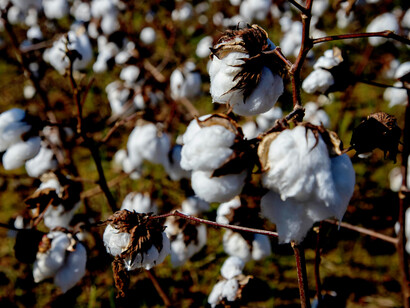
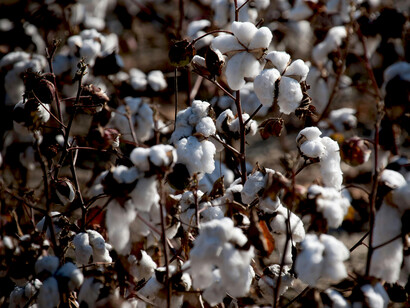
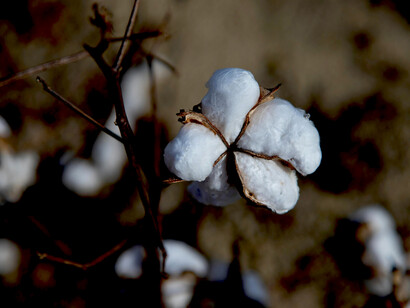
Regenerative cotton: farms in India and the U.S. have shown that switching to regenerative methods increases soil organic matter, reduces irrigation needs, and creates healthier yields.
Regenerative wool: when sheep are grazed in rotational systems, grasslands thrive, acting as carbon sinks and reducing desertification.
Next-gen leather alternatives: companies are experimenting with mycelium (mushroom root systems), algae, and agricultural by-products, which can be cultivated in regenerative systems that feed rather than strip ecosystems.
By rethinking how fibres are grown and produced, fashion can become part of the solution to the climate crisis.
Who is leading the change?
Several pioneers are proving that regenerative fashion is more than an ideal.
Patagonia has invested heavily in Regenerative Organic Certified™ cotton in India. Their farmers don’t just grow fibre; they nurture soil health, plant diverse crops, and improve community resilience. Patagonia’s goal is not just to sell clothes but to redefine cotton farming as a climate solution.
Christy Dawn, a Los Angeles–based brand, goes one step further with its “Farm-to-Closet” programme. By directly partnering with regenerative cotton farms in southern India, they produce dresses where each yard of fabric represents land restored and biodiversity supported.
Fibershed, based in California, is a nonprofit initiative building “soil-to-soil” textile systems. Instead of globalised, extractive supply chains, Fibershed envisions local textile economies – where wool, hemp, and plant dyes are cultivated regeneratively and garments eventually biodegrade back into the Earth.
Luxury houses are also entering the field. Gucci’s parent company, Kering, co-founded the Regenerative Fund for Nature, supporting projects in South America that restore forests and grasslands while producing raw materials for high-end fashion.
These examples show that regeneration is not confined to small artisanal niches. It’s being embraced from grassroots collectives to luxury conglomerates.
Why regenerative fashion matters
The stakes are high. The fashion industry contributes about 10% of global greenhouse gas emissions, according to the UN Environment Programme, and consumes vast amounts of freshwater. Textile dyeing alone is a leading cause of water pollution worldwide.
Regenerative fashion offers a rare double dividend: cutting emissions while actively drawing carbon from the atmosphere. Healthy soils enriched by regenerative practices can store more carbon than degraded farmland. At the same time, biodiversity—from pollinators to earthworms—rebounds, making ecosystems more resilient to climate change.
This matters not just for the planet but also for people. Regenerative projects often improve farmer livelihoods by diversifying crops, reducing dependency on expensive chemical inputs, and strengthening rural economies. In this sense, regenerative fashion is both an ecological and a social movement.
Challenges on the road
Transitioning from extractive to regenerative systems is not simple. Farmers need training, financial support, and patience, as soil recovery can take years. Certification standards for “regenerative” are still emerging, and without clear definitions, there is a risk of greenwashing.
Another challenge lies in scalability. Most regenerative projects are small or mid-scale. Bringing them to the scale of fast fashion supply chains will require massive investment and systemic change.
Finally, regeneration isn’t just about agriculture. It also demands rethinking design, production, and consumption. A regenerative garment is not only about how it was grown but also how it’s dyed, transported, used, and eventually disposed of. True regeneration requires a circular approach, where clothes are designed to be long-lasting, repairable, and biodegradable.
The consumer’s role
While much responsibility lies with brands and policymakers, consumers also play a role. Choosing regenerative garments where available sends a market signal that there is demand for clothes that heal ecosystems. Supporting second-hand fashion and caring for clothes to extend their life also aligns with regenerative principles.
Yet, perhaps the biggest shift is cultural: moving away from fast consumption cycles and towards valuing clothes as long-term companions, rooted in living systems. In a regenerative mindset, fashion is not disposable — it is a relationship between people, landscapes, and time.
A revolution in style and substance
Fashion has always been a mirror of cultural values. In the industrial era, it mirrored speed, novelty, and abundance. In the sustainability era, it reflected restraint and responsibility. The regenerative era proposes something bolder: fashion as a healing practice.
Imagine a future where your shirt doesn’t just use “less water” but helps restore a river basin; where your wool sweater supports grasslands that absorb carbon and protect wildlife; where your handbag isn’t a burden on the planet but a product of thriving ecosystems.
That is the promise of regenerative fashion. It moves us beyond sustainability into a world where style is not only about how we look but also about how we live together with the Earth.
The journey won’t be easy, but it is already underway — from Indian cotton fields to Californian wool cooperatives, from luxury catwalks to grassroots designers. And in this story, the future of fashion may finally be one of renewal rather than depletion.