English
 Español
 Français
 Deutsch
 Italiano
 Português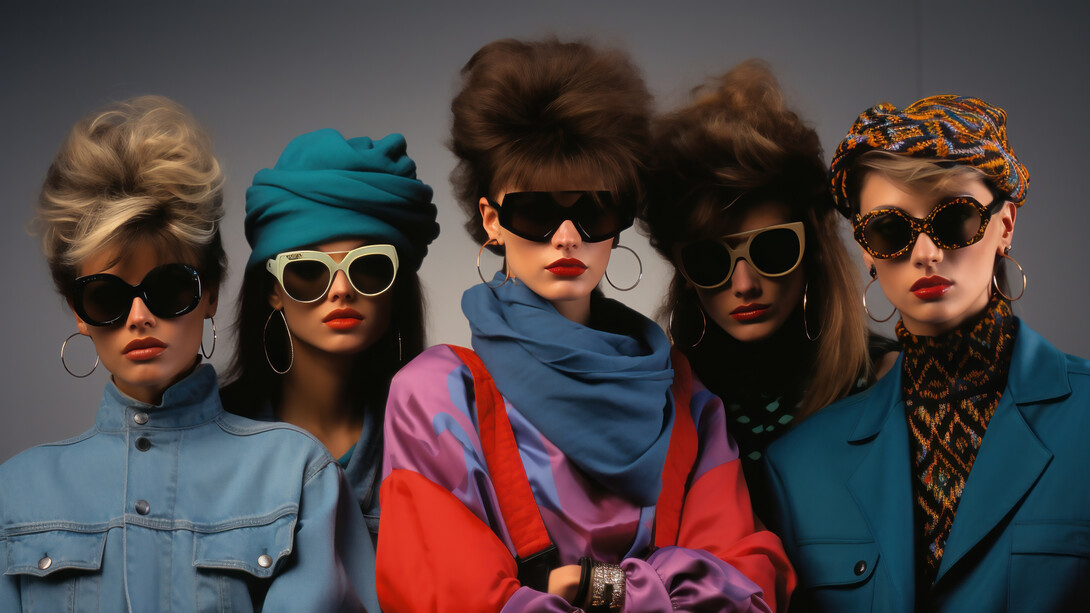
How one article of clothing can have an extensive history whilst still retaining its strong ‘add-to-bag’ potential today.
The beauty of blazers lies in their duality. What was once worn primarily by men from exclusive clubs and echelons of society can now be found on the shelves of everyone’s favorite fast-fashion stores—a certified wardrobe staple.
Throughout history, blazers have been almost emblematic of a range of styles and iconic fashion moments throughout history—much like all fashion throughout the eras—and were often used as an expression of class, occupation, or culture. From their origins in rowing and sailing clubs, blazers communicated an appearance of formality and exclusivity associated with the clubs that they represented and the members who wore them. This exclusivity was often reserved for men alone—as was the blazer.
Nowadays, the blazer has branched from its membership origins and can be found in the wardrobes of almost any man or woman.
Initially, the popularity of the blazer was limited to a certain extent: it had been perceived as too formal and conservative for younger society and too inhibiting for the everyday office wear of the older generation.
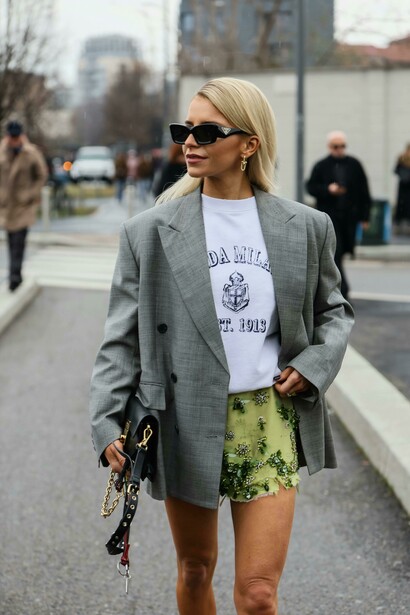
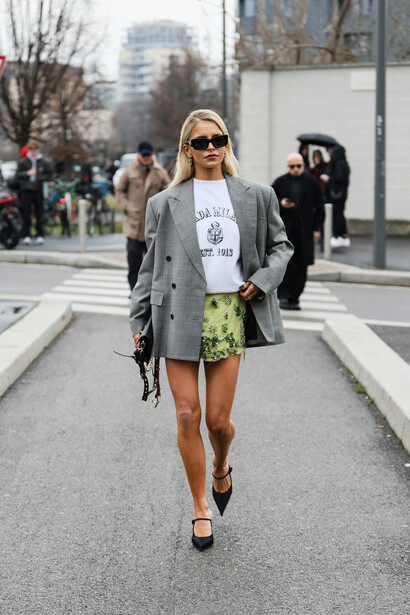
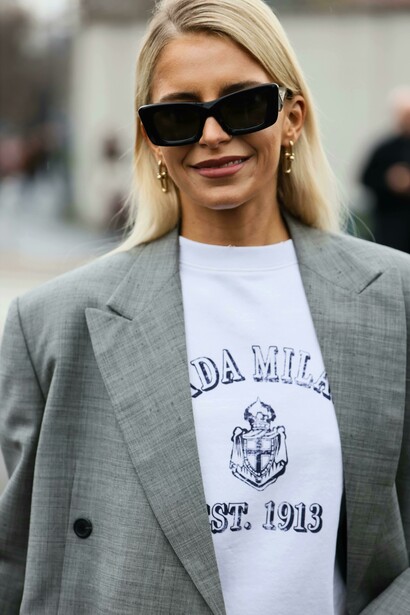
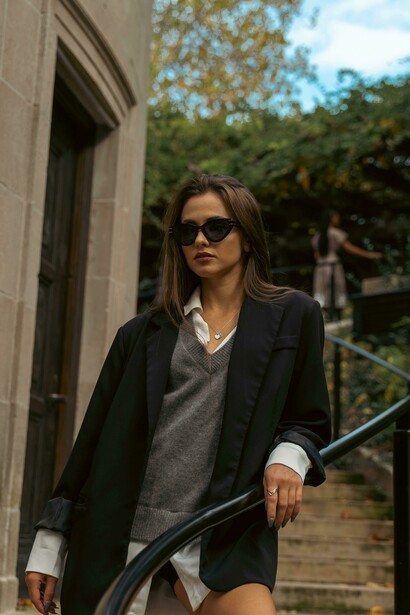
However, around the late 2000s, the blazer made a major revival, branching out from its exclusively masculine origins and rejuvenating in a range of styles, from rolled-up sleeves and altered lapels to cropped length, oversized fit, and colors such as pastels.
Even before the 21st century, blazers once again proved that clothing has the power to communicate just that—an invigorating sense of power. Executive dress in the 80s saw the blazer modified in a way that was provoking and demanded the attention of both haute couture and the high street. Cue the padded shoulders, boxy tailoring, and cravats. This was part of a political revolution—women becoming more involved in politics and starting to take over the business world one pantsuit at a time.
Another fitting example of this would be something even further back in time—Yves Saint Laurent’s iconic Le Smoking. The then-contemporary concept of the blazer and the pantsuit was decontextualized and readapted for women’s evening wear, featuring a nipped waist, elongated legs, and subtle, androgynous curves. It was not initially received with open arms; over time, however, it became a symbol of feminine empowerment, through both the subversion and embracement of the idea of femininity at the time—especially through clothing in particular.
Blazers are just one in a multitude of examples of how fashion and style are modes of expression intertwined with many social markers and changes throughout history. The duality of the blazer lies not only in its history of embodying masculinity or femininity, exclusivity or conventionality, but also in its versatility in modern-day fashion.
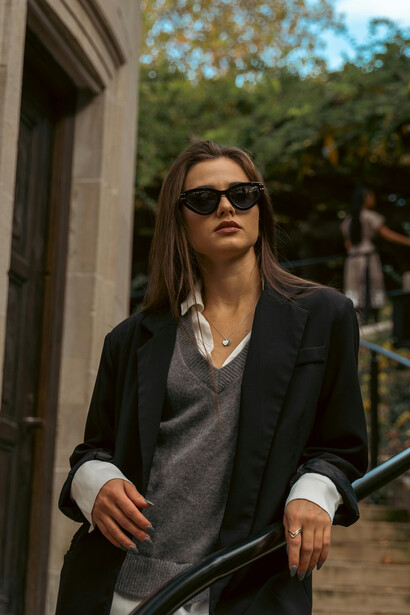
The blazer’s versatility is such that it could be styled for a rough streetwear vibe with a tomboy edge or even a more reserved, much more subdued, and even effeminate look. “There is no article of clothing that can quite match the blazer in both pedigree and street cred” (Rowing Blazers).
Even in a generation of teens who are more inclined towards athleisure and relatable, comfortable clothing than their predecessors with their glossy, immaculate publications, blazers hold an appeal with a range of fashion demographics and styles today. Perhaps one reason for this lies in their capability to make even an old pair of jeans look chic.
What’s fascinating is that blazers have continued to evolve alongside shifting cultural values. In the 1990s, they played into the minimalist aesthetic—slim silhouettes, muted tones, and unfussy tailoring that mirrored a new approach to modern professionalism. Fast forward to the 2010s, and the oversized, boxy blazer became a mainstay of street style, often paired with sneakers or biker shorts, signaling a move toward the blending of formal and casual. This adaptation demonstrates how a garment born out of exclusivity continues to democratize itself in every decade.
In addition, blazers now symbolize more than class or professional identity—they have become an emblem of gender fluidity in fashion. Designers such as Stella McCartney, Gucci, and Balenciaga have reimagined the blazer as a gender-neutral piece, focusing on its clean lines and adaptability to transcend traditional categories. This cultural shift aligns the blazer with broader conversations about inclusivity in fashion, proving its relevance extends far beyond mere aesthetics.
The blazer also remains a fixture in sustainable fashion conversations. As capsule wardrobes and timeless staples gain momentum in the fight against fast fashion, blazers stand out as one of the most dependable investments. They can be worn year after year, repurposed, or tailored to suit new trends without losing their essence. Vintage blazers are particularly coveted, bridging the gap between eco-conscious fashion choices and style credibility.
Ultimately, the blazer is more than just a piece of clothing; it is a narrative thread woven through centuries of social change, gender politics, and style reinvention. From aristocratic boat clubs to high-street racks, from political podiums to TikTok styling hacks, the blazer has never ceased to adapt. Its story is one of resilience and transformation—proving that fashion’s most powerful items are those that can move fluidly between past and present, exclusivity and inclusivity, and formality and rebellion.