English
 Español
 Français
 Deutsch
 Italiano
 Português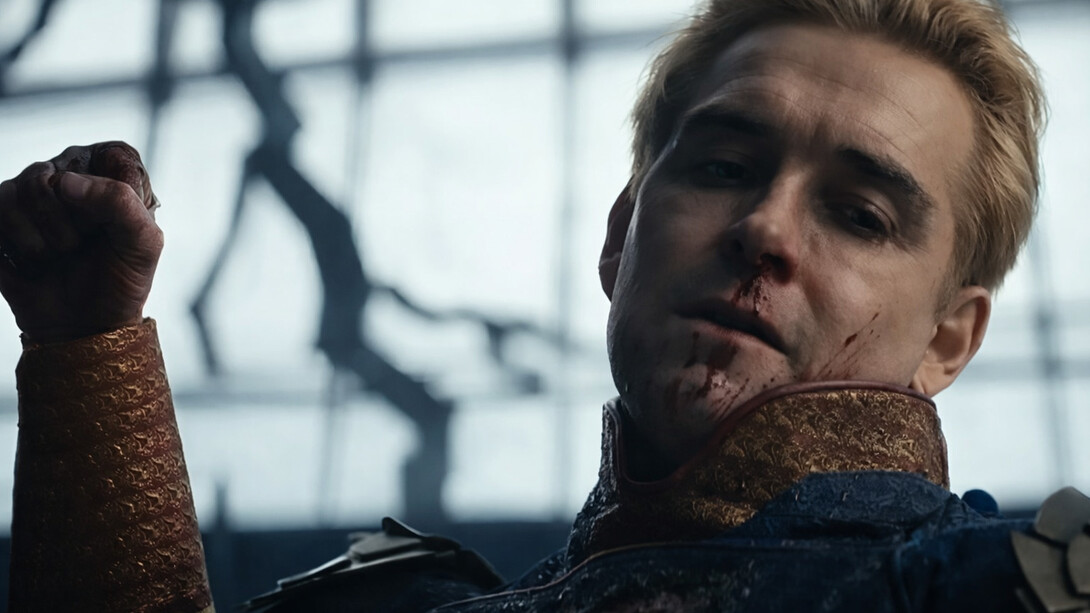
Audiences are done with flawless protagonists. Today’s heroes bleed, fail, and ghost their sidekicks, and we love them for it.
Not so many years ago, heroes existed to reassure us. They showed up on cue, delivered a speech about hope, punched the villain through a wall, and went home without a scratch. Their moral compass worked perfectly. Their hair stayed in place during explosions. If they had trauma, it was tasteful and resolved by the sequel. That time is over.
Now, when a hero walks into a story without visible emotional damage, we don’t trust them. We wait for the reveal, the scandal. The inevitable moment where they mess everything up and pretend it was for the greater good.
Modern audiences aren’t impressed by invincibility, being perfect, and being flawless anymore. We want consequences and failure. We want heroes who survive, not save.
And pop culture has been listening. From the managed damage control of Thunderbolts, where broken heroes are repackaged as expendable assets, to the corporate sociopathy of The Boys, from the morally bankrupt negotiations of Cyberpunk 2077 to Joel’s quiet collapse in The Last of Us and the doomed idealism of Clair Obscur: Expedition 33, heroism has stopped being a power fantasy and started being a liability.
Turns out, perfection isn’t aspirational anymore. It’s suspicious.
The golden age of invincibility (and why it got boring)
For decades, heroes were built to be untouchable. Superheroes, action stars, and chosen ones existed in worlds where morality was clean, and consequences were optional. If someone died, it was tragic but necessary. If a city collapsed, insurance presumably covered it.
This model worked because it was comforting. Good and evil were clearly labelled. Strength meant righteousness. Winning meant closure. But repetition has a way of exposing the cracks.
When every hero survives everything, the stakes become decorative. When every conflict ends with the same victory pose, tension evaporates. And when heroes never pay for their decisions, audiences stop caring about them.
Perfection becomes emotionally uninhabitable.
From power fantasy to consequence fantasy
With time, power stopped being a fantasy. Consequence became the point. Modern heroes still have abilities, skills, and influence, but every use of power leaves damage behind. Physical. Emotional. Moral. They don’t emerge victorious; they emerge altered.
This isn’t accidental. It’s cultural.
We live in a world where institutions fail loudly, where “saviours” disappoint regularly, and where certainty feels like a scam. Stories that pretend otherwise feel dishonest. So fiction adapted. It stopped promising safety and started offering recognition.
You don’t watch modern heroes to see them win. You watch to see what they’re willing to sacrifice and whether they’ll admit it.
Thunderbolts: when the hero team is a liability
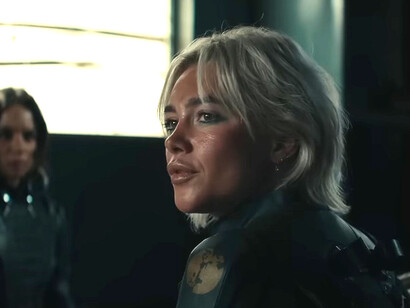
On paper, Thunderbolts (Marvel Studios, 2025) looks like Marvel doing what it always does: assembling a team, teasing redemption, and promising explosions with feelings attached. In practice, it feels like a quiet admission that the age of shiny heroism is over.
This isn’t a team of saviours. It’s a collection of damaged assets. People who’ve failed publicly, morally, or catastrophically and are now useful only because they’re expendable. The asterisk in the title isn’t cute branding. It’s a warning label.
What makes Thunderbolts important in the death of the invincible hero isn’t that its characters are flawed; Marvel has flirted with that before. It’s that the film stops pretending those flaws are stepping stones to greatness. Redemption isn’t guaranteed. Loyalty is conditional. And heroism looks suspiciously like risk management.
These characters don’t save the world because it’s right. They do it because they don’t have better options. For a franchise built on moral certainty, that’s a shift. Thunderbolts* doesn’t kill the superhero myth; it quietly admits it’s unsustainable.
From managed damage to open collapse
If Thunderbolts still believes the system can be patched, that broken heroes can be repurposed, supervised, and pointed in roughly the right direction, The Boys (Amazon Prime Video) has no such illusions.
Thunderbolts asks what happens when heroism becomes a liability that needs oversight. The Boys answers: it becomes a PR disaster waiting to explode.
Where Marvel still clings to containment, committees, handlers, and second chances, The Boys rips the curtain down entirely. Power isn’t misused accidentally; it’s abusive by design. The damage isn’t a side effect. It’s the product.
Seen this way, Thunderbolts isn’t an outlier. It’s the transitional fossil. The last stage where the cape still matters, before the genre fully admits that invincibility doesn’t protect anyone, least of all the people wearing it.
The boys: superheroes as pr disasters
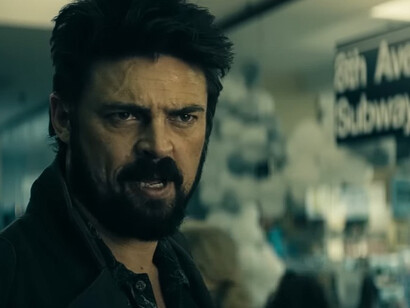
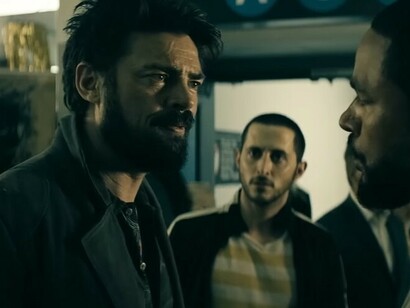
The Boys didn’t just poke fun at superheroes. It dismantled them like a hostile corporate takeover. In this world, heroes aren’t symbols of justice; they’re brand assets. Their powers don’t protect the innocent; they generate collateral damage, lawsuits, and carefully managed apologies. Saving people is optional. Looking good on camera is not.
What makes the show resonate isn’t the gore or shock value. It’s the accounting that someone always pays. Usually, the people without powers.
The fantasy here isn’t strength; it’s exposure. Watching invincible figures lose control, credibility, and narrative authority is cathartic. Not because we hate heroes, but because we’re tired of pretending power is harmless. In The Boys, invincibility isn’t impressive. It’s terrifying. And finally, someone says it out loud.
Gen V: being special as a psychological hazard
If The Boys is about the corruption of power, Gen V (Amazon Prime Video) is about the cost of being raised to want it.
Set at a university for young superheroes, the series treats heroism like a toxic achievement culture. Powers are less gifts than liabilities. Students are ranked, surveilled, exploited, and emotionally destabilised in the name of “potential”.
What’s striking is how familiar it feels. These aren’t confident prodigies. They’re anxious, competitive, traumatised young adults who internalised the idea that being special is the only way to matter. Their powers don’t make them heroic; they make them fragile.
Gen V understands something earlier superhero stories ignored: if you grow up being told you’re extraordinary, failure doesn’t just hurt, it erases you. Heroism here isn’t destiny. It’s pressure that breaks people.
Clair Obscur: Expedition 33, when destiny comes with an expiration date
In Clair Obscur: Expedition 33 (Sandfall Interactive, 2025), heroism doesn’t fail because the protagonist is weak. It fails because of the time pressure.
Set in a surreal, painterly world where a godlike figure erases people from existence at a specific age, the game follows an expedition trying to stop a countdown they may already be too late for. From the start, victory feels provisional and temporary, almost impolite to hope for.
What makes Clair Obscur fit perfectly into the death of the invincible hero is its quiet cruelty: no amount of bravery guarantees survival. No heroic speech stops the clock. You can fight perfectly and still lose people you were meant to save.
The heroes here aren’t defined by triumph, but by persistence. They keep going not because they believe they’ll win, but because stopping would mean surrendering meaning itself. It’s heroism stripped of spectacle and left with something far more uncomfortable: endurance.
Unlike classic fantasy, where destiny protects the chosen, Clair Obscur treats destiny as the antagonist. The heroic act isn’t defeating evil; it’s choosing to act while knowing the system may be unbeatable.
In a cultural moment obsessed with consequences, this kind of hero feels painfully honest. Not invincible or redeemable, just human enough to try anyway. Clair Obscur treats fate like a silent executioner: impersonal, inevitable, almost beautiful in its cruelty. The tragedy lies in knowing the clock is ticking and choosing to act anyway.
Cyberpunk 2077: when power comes without control
Cyberpunk 2077 (CD Projekt Red, 2020) strips even that consolation away. Here, the problem isn’t destiny. It’s the system: loud, corrupt, transactional, and very much alive. There is no countdown, only extraction. No poetic end, only replacement. If Clair Obscur asks what heroism looks like when time runs out, Cyberpunk 2077 asks a harsher question: what heroism means when time doesn’t care, and neither does power.
The heroes of Cyberpunk aren’t racing against fate. They’re negotiating with it and losing.
If modern heroism had a motto, Cyberpunk 2077 would print it on a T-shirt: You can be powerful and still completely disposable.
You play as V, capable, dangerous, and absolutely replaceable. Every choice you make leads somewhere, but never to victory. There are only different losses, traded like currencies in a system that always wins. The brilliance of Cyberpunk 2077 is how unapologetic it is about this. You’re not here to save the world. You’re here to negotiate how badly it uses you.
In this world, betrayal isn’t a twist; it’s infrastructure. Loyalty is temporary. Morality is contextual. Heroism is a story people tell after you’re gone.
This story is not empowering. It’s honest. And that honesty feels more relevant than any cape.
The last of us: the hero who shouldn’t exist
Joel from The Last of Us (HBO) isn’t a hero in the traditional sense. He doesn’t believe in saving the world. He believes in surviving it and protecting what he loves, no matter the cost. That’s what makes him dangerous.
The Last of Us refuses to frame his actions as noble. It lets them be selfish, loving, violent, and catastrophic all at once. The most “heroic” decision to save Ellie’s life is also the one that breaks everything. And audiences argue about it endlessly. That’s the point.
Modern heroes don’t offer moral clarity. They provoke moral discomfort. They don’t ask, “Is this right?” They ask, “Can I live with this?” And sometimes the answer is no, but they do it anyway. That’s not inspirational. It’s human.
Why we don’t want perfect heroes anymore
Perfect heroes require belief. Flawed heroes require recognition. We recognize failure. We recognise compromise. We recognise the quiet, unglamorous ways people justify bad decisions because the alternative feels unbearable.
In an age of constant exposure, where everyone’s mistakes are public and everyone’s image is curated, invincibility feels fake. Weakness feels like access. This shift also opens the door wider. Flawed heroes aren’t limited to one body type, gender, or moral framework. They allow more people to see themselves in the story, not as ideals, but as survivors.
The fantasy isn’t being unstoppable anymore. It’s being allowed to fall apart and keep going.
The cape is gone: the hero remains
The death of the invincible hero doesn’t mean we’ve stopped needing heroes. It means we’ve changed what we ask of them.
We don’t want saviours. We want witnesses. People who make impossible choices live with the damage, and don’t pretend it was destiny. Heroes now bleed. They fail. They leave people behind. Sometimes they make things worse. And somehow, that makes them worth watching again. Because the most radical fantasy left isn’t saving the world. It’s being human and still standing.