English
 Español
 Français
 Deutsch
 Italiano
 Português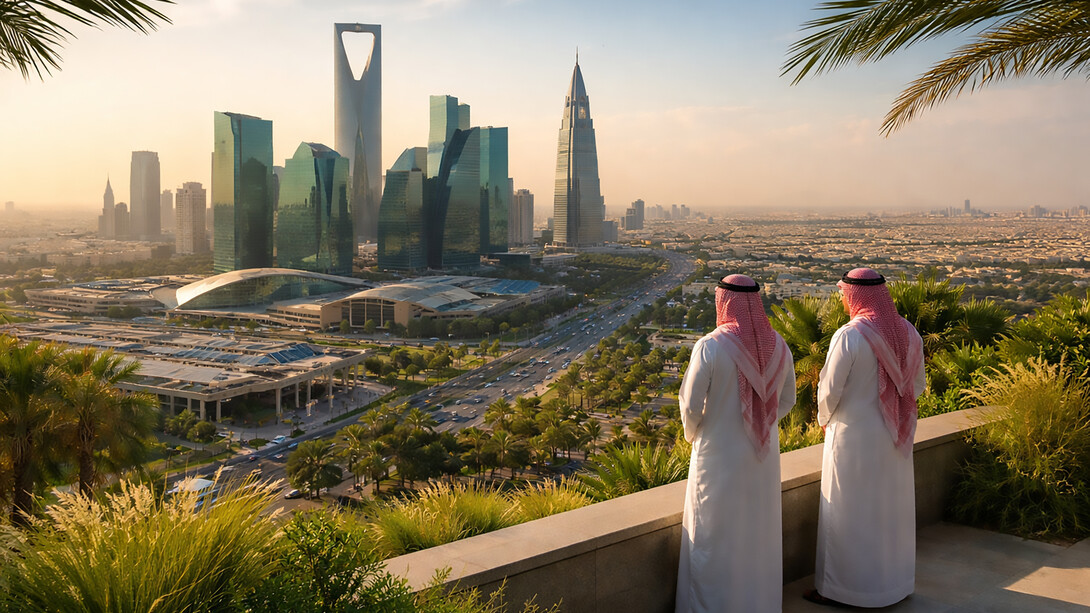
Saudi Vision 2030 is an ambitious national strategy spearheaded by Crown Prince Mohammed bin Salman. The central aim of this plan is to transform Saudi Arabia into a nation with a diversified, resilient economy and a vibrant, thriving society. Vision 2030 is structured around three key pillars: reducing reliance on oil revenue, expanding other industries, and strengthening global connections. The plan also emphasizes improving citizens’ quality of life, enhancing government efficiency, and building sustainable communities for future generations.
Phases of transformation
The first phase: laying the foundation
The first phase of Saudi Vision 2030 established a solid foundation for growth and development throughout the nation. Significant changes were implemented during this period, transforming public services and enhancing the overall quality of life for all citizens. This transformative era was marked by major advancements, with every individual contributing to the collective effort to move the country forward.
The second phase: accelerating progress
Building on the achievements of the initial phase, the second phase concentrated on increasing support for large-scale projects and vital industries. As a result, Saudi Arabia emerged as a prominent destination for business and new opportunities. These efforts prepared the nation for a more robust and diversified economy, positioning it for sustained success and prosperity. Now, the third phase is focused on ensuring long-term growth and taking advantage of new opportunities.
By expanding projects such as the Sakaka solar plant and hydrogen initiatives, along with training and developing local talent through the Human Capability Development Program, the country is working to create real and lasting improvements.
Why Vision 2030 matters
The initiative seeks to stimulate economic growth, prioritize environmental sustainability, and increase the use of digital technologies. Strategic purchasing of goods and services is seen as a vital driver for achieving these goals. By fostering local economic development through smart procurement, Vision 2030 aims to support businesses, create jobs, and invest in workforce training. These measures help secure high-quality products and maintain economic stability. Employing digital tools improves procurement efficiency, making the process faster and more cost-effective while reducing errors through automation.
Sustainability is a core principle of Vision 2030. The plan promotes the reduction of carbon emissions by investing in green energy and environmentally friendly products.
Key components of Saudi Vision 2030
Economic transformation
The Saudi Vision aim is reducing dependence on oil by opening new sectors and empowering private companies to drive growth. By increasing the private sector’s contribution to GDP from 40 percent to 65 percent, the strategy positions businesses as key engines of innovation and employment. Small and medium-sized enterprises are central to this shift, with a target contribution of 35 percent of GDP, reflecting a deliberate move toward a more dynamic and resilient economy. As well as, boosting non-oil exports to 50 percent of non-oil GDP and raising foreign investment to 5.7 percent of GDP signal Saudi Arabia’s ambition to become a globally integrated economic hub. These efforts are reinforced by a strong emphasis on more effective and efficient government spending to ensure that public resources deliver measurable and sustainable outcomes.
Social development
This Vision also places significant emphasis on social development, recognizing that long-term progress depends on the well-being and values of society. Strengthening Islamic and national values remains a foundational pillar, while parallel efforts focus on promoting longer, healthier lives for all citizens. This dual approach seeks to balance cultural continuity with modern social progress, reinforcing national identity while improving quality of life.
Government enhancement
Government enhancement is another critical dimension of the Saudi Vision, as institutional reform is necessary to support economic and social ambitions. Creating more employment opportunities, particularly for Saudi citizens, is closely linked to efforts to facilitate and encourage investment from both local and foreign businesses. By improving regulatory frameworks and streamlining processes, the government aims to foster a business environment that attracts capital, supports entrepreneurship, and translates growth into tangible jobs.
Sports advancement
Sports advancement further illustrates how Vision 2030 extends beyond traditional economic indicators to focus on lifestyle, global engagement, and soft power. Emphasizing sports and recreation contributes to improved quality of life while elevating Saudi Arabia’s presence in international sports competitions.
Tourism growth
Tourism has emerged as one of the fastest-growing sectors globally, with 2024 marking a particularly strong year. Saudi Arabia achieved many of its tourism objectives ahead of schedule, recording a 69 percent increase in international visitors compared to 2019 and a 148 percent rise in tourism revenue. These gains reflect improved services, enhanced visitor experiences, and strategic global positioning, placing the Kingdom second worldwide for tourism growth. International recognition of destinations such as Medina, ranked among the top 100 global tourist cities, and AlUla, the first Middle Eastern site to receive international acclaim, underscores the success of this approach. Notably, the original target of 100 million tourists by 2030 was reached ahead of time, prompting an ambitiously revised goal of 150 million visitors by the end of the decade.
Employment and women’s advancement
This sector represents some of the most socially transformative outcomes of Vision 2030. Saudi Arabia reduced unemployment to 7 percent, achieving the Vision’s target before 2024. In the same year, more than 437,000 Saudis joined the private sector, bringing the total number of Saudi private sector employees to 2.4 million. These figures highlight not only expanding job opportunities but also growing public confidence in the private sector as a viable and sustainable career path, including for women whose participation in the workforce has increased significantly.
Digital transformation
Digital transformation underpins many of these achievements, acting as a catalyst across government, business, and social services. Accelerating government services through technological innovation, expanding high-speed broadband, and unifying online services through a consolidated digital platform have improved efficiency, transparency, and accessibility. At the same time, strengthening digital security protects data and builds trust in digital systems. Support for technology startups through funding, partnerships, and an innovation-friendly environment further reinforces Saudi Arabia’s transition toward a knowledge-based economy.
Health initiatives
Health initiatives reflect Vision’s people-centered approach, linking national productivity to public well-being. Ensuring that 88 percent of the population can access a primary care clinic within 20 minutes of their home demonstrates a commitment to equitable healthcare access. Public awareness campaigns promote healthy lifestyles, fitness, and nutrition, while advanced technologies help improve medical quality and reduce waiting times. Expanding the private sector’s role in healthcare from 25 percent to over 65 percent by 2030 aligns with broader economic diversification goals, while digital solutions such as telemedicine, artificial intelligence for patient triage, and nationwide electronic health records modernize service delivery and enhance patient outcomes.
Final thoughts
Saudi Arabia’s Vision 2030 is focused on building a better, more sustainable environment for local and international businesses. The plan is driving substantial reforms to create a more equitable and open business landscape. Saudi Arabia aims to become a leading destination for investment from both domestic and global companies.
This vision is surely a top example of excellence around the world. And we can clearly see this success in the amazing achievements achieved so far.
Recent achievements reflect the transformative potential of Vision 2030, as the nation climbs global rankings and demonstrates a strong commitment to innovation and sustainability. Saudi Arabia is carefully moving towards a future where tradition, innovation, and sustainability merge to usher in a new era of growth for the country.