English
 Español
 Français
 Deutsch
 Italiano
 Português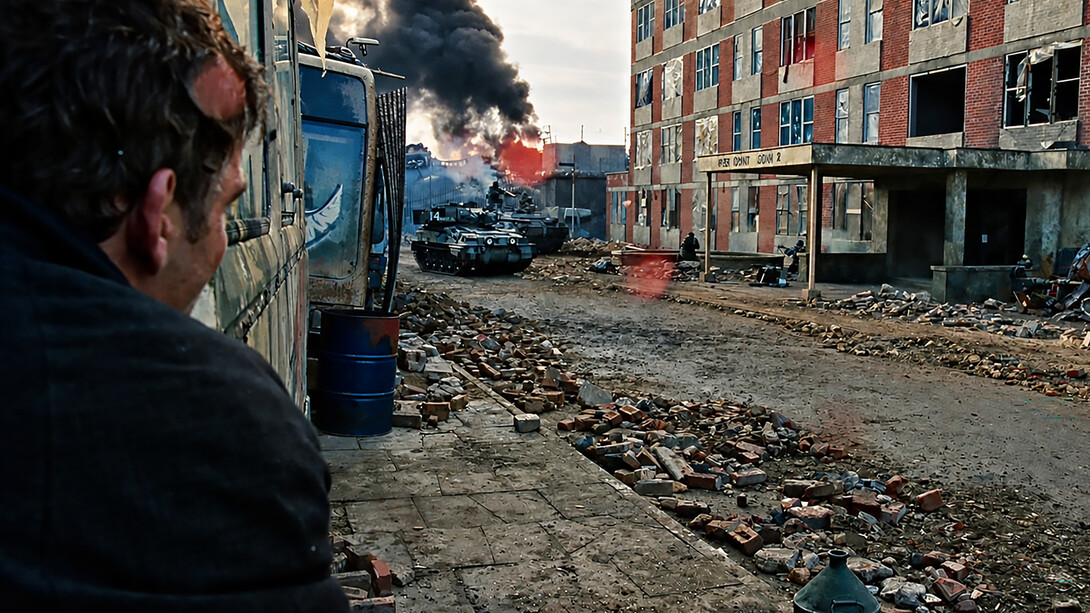
War has always caused serious damage, not only to people but also to economies. Beyond the loss of lives and destruction on the battlefield, war disrupts trade, weakens governments’ finances, and slows down economic development. For countries where fighting takes place, the economic effects are often extremely severe and can take many years to recover from.
Modern wars—such as civil wars, international conflicts, terrorism, and economic sanctions—affect economies in many ways. One of the biggest problems is the high cost of military spending. Governments often spend huge amounts of money on weapons, soldiers, and defence systems. This money is taken away from important areas like education, healthcare, and infrastructure. As a result, economic growth slows down, and countries may even fall into recession.
Even if we ignore the human suffering caused by war, the financial damage alone is enormous. War destroys roads, schools, hospitals, and other important infrastructures. It also reduces the number of working people because many are killed, injured, or forced to leave their homes. At the same time, war often leads to inflation, shortages of goods, rising debt, and a lot of uncertainty in the economy. While images of destruction are often shown in the media, the long-term economic effects are just as important.
This text explains the main economic costs of war using real examples and data from well-known sources.
Wars as economic shockwaves
When war starts, it creates uncertainty in the world economy. This uncertainty quickly affects financial markets and investor behaviour in predictable ways.
In the early stage of a conflict, we usually see the following:
Investors move to safe assets: People often buy gold and US dollars because they are seen as safe during crises.
Oil prices rise: Energy markets react quickly, especially if the conflict affects oil-producing areas or shipping routes.
Stock markets become unstable: Share prices often fall or move sharply, especially in countries close to the conflict.
However, these are only the first effects. Over time, war causes deeper problems such as inflation, broken supply chains, and changes in global trade.
A clear example is reported by The Wall Street Journal, which estimated that the first two days of the Iran-related conflict in March 2026 cost the United States about $5.6 billion. This cost mainly comes from advanced missiles used in the conflict and does not include other losses such as rising oil prices, damage to property, or lost human lives.
High cost of military spending
Modern war is very expensive because it uses advanced technology and weapons. According to The Economist, one Tomahawk cruise missile costs around $1.5 million. Other weapons like Javelin missiles also cost a large amount of money. Even though new technology like drones may reduce some costs, war still requires huge spending overall.
But weapons are not the only cost. War also damages economic confidence, reduces trade, and discourages investment. In a global economy, problems in one region can quickly affect many other countries.
Destruction of infrastructure
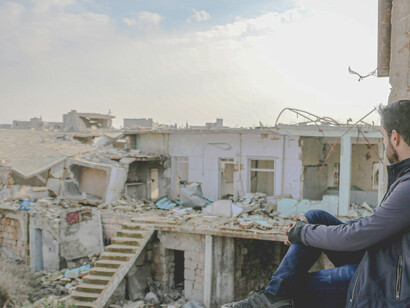
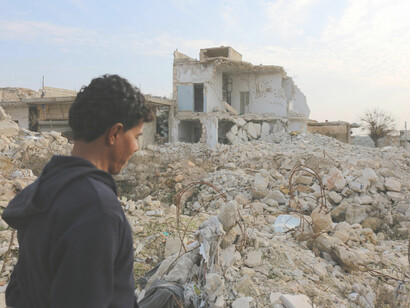
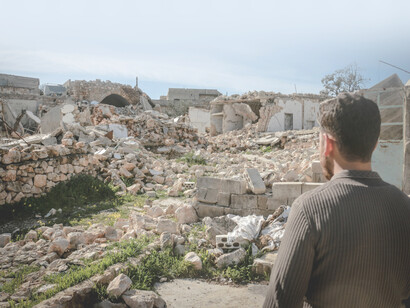
One of the most visible effects of war is the destruction of infrastructure. Roads, bridges, hospitals, power stations, and schools are often damaged or destroyed. Rebuilding them costs a huge amount of money and takes a long time.
A good example is the Iraq War, which began in 2003. The war caused major damage to infrastructure across the country. After the conflict, Iraq had to spend years and large amounts of money to rebuild essential services and facilities, which slowed down its economic recovery.
Loss of human capital
War also destroys human capital, which means the skills, knowledge, and labour of people. When people are killed, injured, or forced to leave their homes, the workforce becomes smaller. This leads to lower productivity and weaker economic growth.
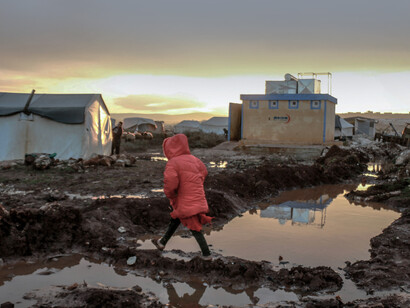
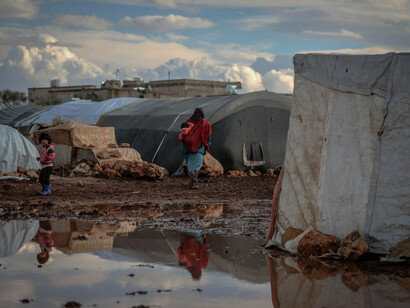
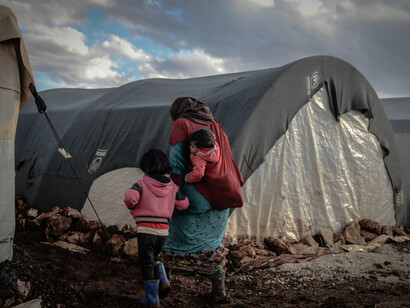
In Syria, the ongoing conflict has caused millions of people to become refugees or internally displaced. Many businesses closed, and normal economic life stopped in many areas. Even when the war ends, it takes a long time to rebuild the workforce and restore economic activity.
Inflation and financial problems
Inflation is another common result of war. When governments spend a lot on war, they may print more money to cover costs. This increases the amount of money spent in circulation, which can reduce its value.
A historical example is the American Civil War. The Confederate government printed large amounts of money to pay soldiers and fund the war. This caused very high inflation, and the value of money dropped quickly. Inflation is especially harmful to middle-income families because their savings lose value while prices of goods increase.
Environmental damage
War also causes serious harm to the environment. Military operations can destroy forests, pollute land and water, and damage ecosystems.
One well-known example is the use of Agent Orange during the Vietnam War. The US military sprayed millions of gallons of this chemical over forests and farmland. This caused massive deforestation and long-term environmental damage that is still felt today. It also harmed human health and local ecosystems for decades.
Political consequences
War also has strong political effects. It can damage relationships between countries and increase global tension. It often makes it harder for countries to work together or solve problems peacefully.
For example, the conflict in Syria has increased tensions between major world powers, including the United States and Russia, because they support different sides in the war. These tensions make international cooperation more difficult and can lead to long-term instability in global politics.
Trade and investment disruption
War also disrupts trade and reduces foreign investment. When there is conflict, businesses become uncertain about the future and often stop investing in affected countries.
The war in Ukraine is a recent example. It has caused sanctions, trade restrictions, and problems in global supply chains. According to the World Bank, countries affected by conflict usually experience a drop in foreign direct investment (FDI), which slows down economic growth.
Even after the war ends, it takes a long time for trade and investment to return to normal levels because trust and stability need to be rebuilt.
Final thoughts
Throughout history, wars have done more than change borders; they have changed entire economies. The effects of war spread across the world, influencing prices, trade, jobs, and investment.
Understanding the economic cost of war is important because it shows the full impact of conflict, not just human suffering but also long-term financial damage. These hidden costs can last for many years and affect many generations.
If people understand these costs better, it may encourage more peaceful solutions to conflicts. Instead of war, countries can focus more on diplomacy and cooperation, which are safer and more beneficial for long-term economic stability and global development.