English
 Español
 Français
 Deutsch
 Italiano
 Português
Every day, we throw away parts of our food that are not only edible but actually packed with nutrients. Vegetable peels, overripe fruits, and leftover pulp often end up in the trash—but they could be turned into delicious meals, snacks, and even drinks. By rethinking what we consider “waste”, we can improve our health, reduce food waste, and add creativity to our kitchen routines.
Why do we throw away so much?
Most people discard food scraps for simple reasons: they look unappealing, they don’t fit traditional recipes, or we simply don’t know how to use them. Yet many of these “leftovers” are highly nutritious. For example:
Carrot tops are rich in vitamin C, antioxidants, and chlorophyll.
Potato skins contain fibre, potassium, and B vitamins.
Banana peels are edible and full of fibre, potassium, and polyphenols.
Apple cores contain pectin, which can aid digestion.
Herb stems like parsley or cilantro carry intense flavour and nutrients often wasted when only leaves are used.
By learning how to use these parts, we unlock hidden nutrition and discover flavours we may have never tried before.
Simple ways to use hidden nutrition
Here are practical ideas for turning overlooked parts of food into delicious dishes:
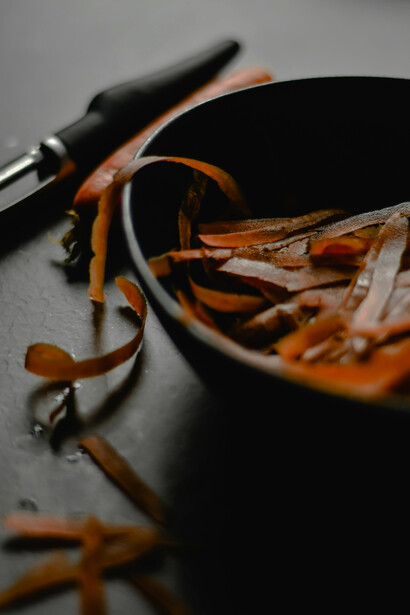
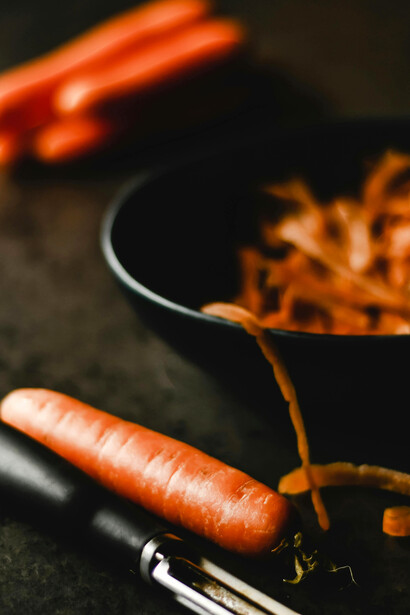
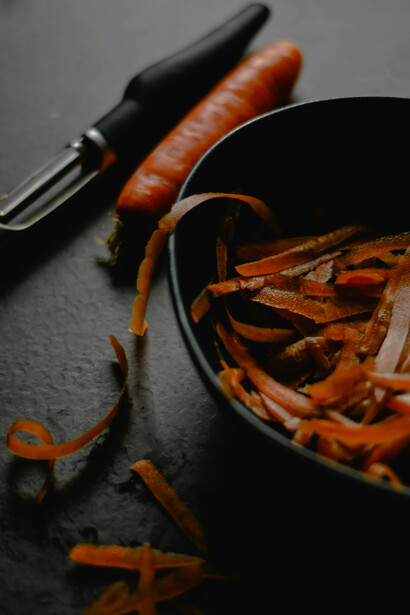
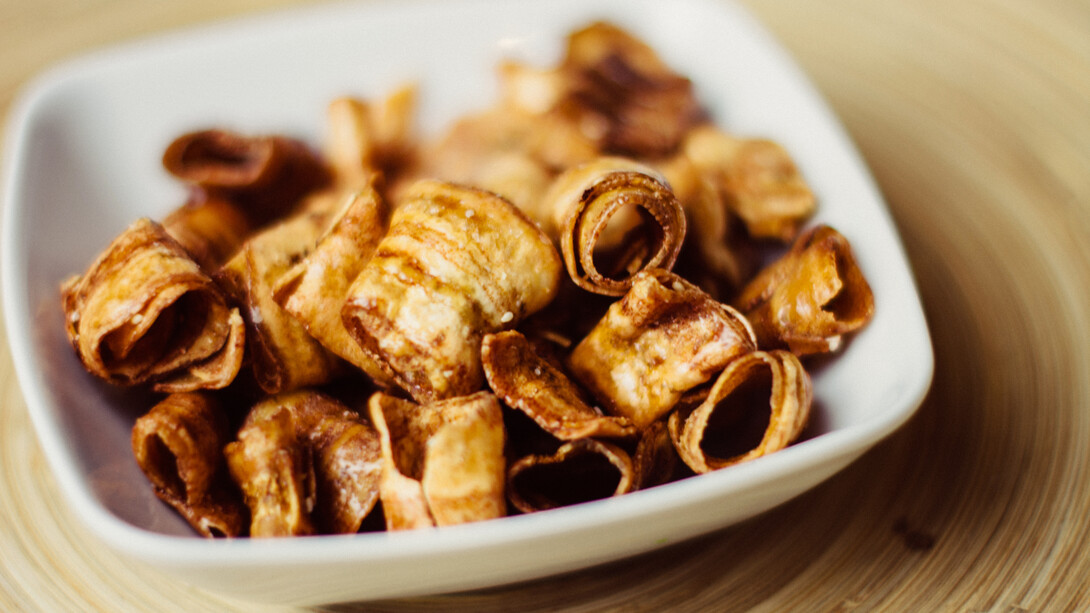
Vegetable peel chips (carrot, zucchini & potato skins): instead of throwing away vegetable peels, you can turn them into a crunchy, flavourful snack. This includes carrots, zucchini, and especially potato skins, which are surprisingly rich and indulgent.
Ingredients:
Peels from carrots, zucchini, or potatoes.
1–2 tablespoons olive oil.
A pinch of salt.
Optional: paprika, garlic powder, chilli flakes, or dried herbs.
Instructions:
Wash the peels thoroughly. If using potatoes, scrub well to remove dirt.
Pat dry and toss with olive oil, salt, and your choice of spices.
Spread in a single layer on a baking sheet.
Bake at 180°C (350°F) for 10–15 minutes until crispy.
Let cool slightly before serving—they will continue to crisp as they cool.
Tip: Potato skins have a natural richness that makes them taste indulgent, while carrot and zucchini peels offer a slightly sweeter and lighter crunch. This snack is not only delicious but also a perfect zero-waste solution that makes use of parts you would normally discard.
Overripe fruit smoothies: overripe bananas, berries, or peaches may look unattractive, but they are naturally sweet and perfect for smoothies. Blend them with:
Yoghurt or plant-based milk.
A handful of oats or nuts for added texture.
A spoon of nut butter or cocoa powder for indulgence.
Not only do you avoid waste, but you also get a nutrient-dense, naturally sweet treat.
Broth from scraps: Vegetable scraps like onion skins, celery leaves, carrot tops, and herb stems can be simmered to make a flavourful stock. Freeze it in portions and use for soups, sauces, or risotto. This is a classic zero-waste trick that adds depth of flavour without extra cost.
Banana peel chocolate pudding: banana peels can be surprisingly versatile. For a healthy dessert:
Boil peeled banana skins for 10 minutes.
Blend with cocoa powder, a natural sweetener like dates or maple syrup, and a splash of milk.
Chill and serve as a creamy, chocolatey pudding.
This recipe turns a normally discarded item into a decadent treat, full of fibre and nutrients.
Herb stem pesto: many recipes call only for herb leaves, but stems are packed with flavour. Use parsley or cilantro stems to make a vibrant pesto:
Blend stems with garlic, nuts, olive oil, and Parmesan cheese.
Use as a sauce for pasta, a spread for toast, or a topping for grilled vegetables.
Crispy kale or broccoli stems: instead of discarding stems, toss them with olive oil, salt, and spices, then roast until crispy. They make a nutritious, crunchy snack that pairs well with dips.
Beyond health: sustainability matters
Using food that would normally be discarded reduces food waste, which is one of the biggest environmental challenges today. According to global estimates, about one-third of all food produced is wasted. Every peel, stem, or overripe fruit you use reduces your environmental footprint while feeding your body better.
This practice is especially powerful in households with children. Teaching kids that food doesn’t need to look perfect to be delicious instills healthy habits and respect for ingredients. It also encourages creativity—turning scraps into smoothies, chips, or sauces becomes a fun kitchen adventure.
Tips for getting started
Start small: Use one type of peel or overripe fruit at a time.
Experiment with flavour: add spices, herbs, or sweeteners to make it more appealing.
Plan ahead: Keep scraps in a container in the fridge or freezer until you’re ready to use them.
Combine ingredients: mix different vegetable or fruit scraps to create unique flavours and textures.
Document your experiments: Note which combinations taste best for you and your family.
Making hidden nutrition delicious
The key is to make it tasty first, healthy second. If it doesn’t taste good, no one will want to eat it, no matter how nutritious it is. By turning overlooked ingredients into visually appealing, flavourful dishes, you create food that is:
Nutritious: packed with vitamins, minerals, fibre, and antioxidants.
Sustainable: reduces waste and makes use of ingredients fully.
Creative: encourages experimentation in the kitchen.
The possibilities are endless. From crispy peel chips to herbal pestos, fruit-based puddings, and flavourful broths, every “waste” item is actually an opportunity.
Conclusion
Hidden nutrition is a reminder that food is more than what we see on the surface. Every peel, stem, and overripe fruit carries flavour, fibre, and nutrients waiting to be discovered. By embracing these overlooked ingredients, we eat healthier, waste less, and open our kitchens to creativity.
Next time you’re about to throw something away, pause for a moment. That carrot top, banana peel, broccoli stem, or potato skin could become your next favourite recipe. Hidden nutrition isn’t just about saving food—it’s about unlocking a whole new world of flavour, health, and mindful eating.