English
 Español
 Français
 Deutsch
 Italiano
 Português
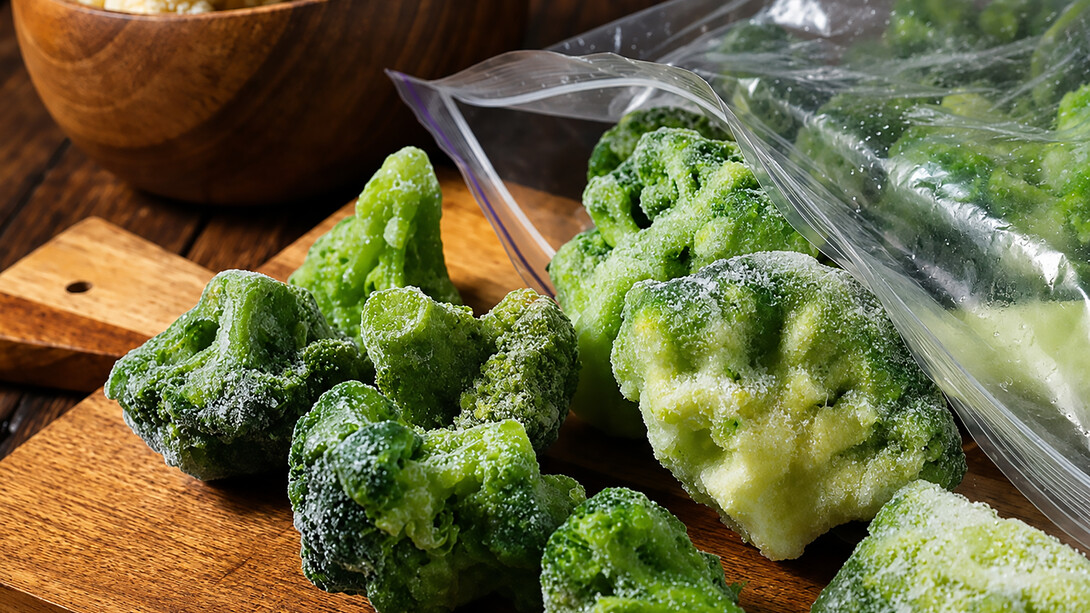
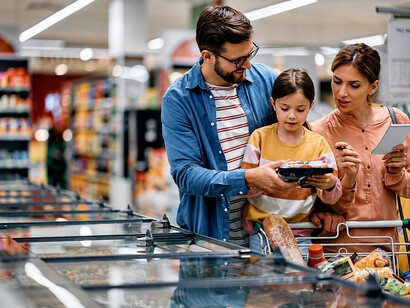
Frozen food has become an essential part of modern eating habits because it provides convenience, affordability, and longer storage possibilities. In supermarkets today, consumers can find a wide variety of frozen products, including meat, seafood, fruits, vegetables, and processed meals. For many families, frozen food offers a practical solution to busy lifestyles because it reduces preparation time and allows people to keep food available for longer periods. However, while frozen food has many advantages, it also comes with certain disadvantages related to nutrition, quality, health, and environmental effects.
One of the greatest advantages of frozen food is its ability to extend shelf life. Freezing slows down the activity of microorganisms and enzymes that cause food to spoil. As a result, products such as frozen meat, fish, fruits, and vegetables can remain usable for several months when stored properly. This long storage period allows consumers to buy food in advance and reduces the amount of food thrown away due to spoilage. For households trying to manage their budgets, frozen products can also be economical because they can be purchased in larger quantities and used whenever needed.
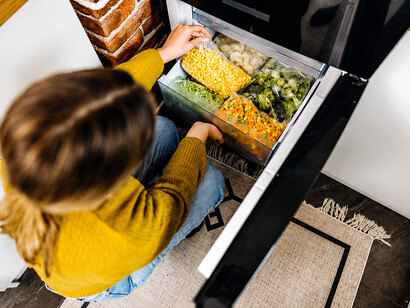
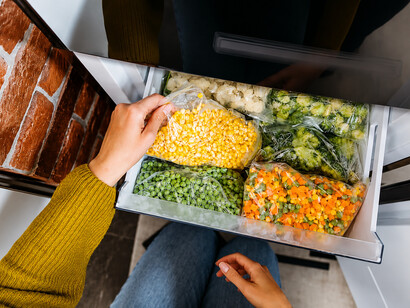
Another important benefit is that freezing can help preserve the nutritional value of many foods. Frozen fruits and vegetables are often harvested when they are fully mature and then quickly frozen to maintain their freshness. This process can preserve essential nutrients, including vitamins, minerals, and antioxidants. In some cases, frozen vegetables may contain more nutrients than fresh vegetables that have been transported over long distances and stored for several days before being eaten. Frozen fruits also allow people to enjoy seasonal products throughout the year without relying on expensive imported fresh produce.
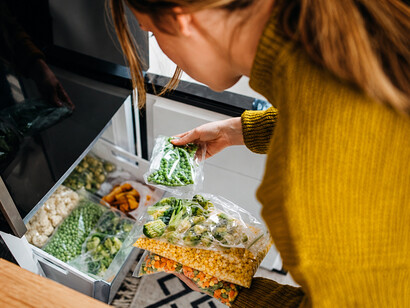
Convenience is another major reason why frozen food has become popular. Preparing fresh meals from raw ingredients can require significant amounts of time for shopping, cleaning, cutting, and cooking. Frozen vegetables are often already washed and prepared, making them easy to add to meals. Frozen meat can be stored until it is needed, reducing the pressure to cook immediately after shopping. Ready-made frozen meals can also be useful for people with busy work schedules, students, or individuals who have limited time for cooking.
Despite these advantages, frozen food also has several disadvantages. One of the main concerns is that some frozen products are highly processed and may not provide the same health benefits as natural frozen foods. Products such as frozen pizza, fried chicken, burgers, desserts, and ready-to-eat meals often contain large amounts of salt, saturated fat, sugar, and artificial ingredients. Eating these foods frequently may increase the risk of health problems, including weight gain, high blood pressure, and cardiovascular diseases. Therefore, consumers should carefully check nutrition labels and distinguish between healthy frozen options and heavily processed products.
The freezing process may also affect the taste, texture, and appearance of certain foods. When food is frozen, the water inside its cells turns into ice crystals, which can damage the structure of the food. After thawing, some fruits and vegetables may become softer and lose their original freshness. For example, frozen strawberries may not have the same firm texture as fresh strawberries, and some leafy vegetables may become less crisp after cooking. Meat can also lose quality if it is frozen for too long or stored without proper packaging.
Frozen meat requires special attention because safety depends on correct storage and preparation. Although freezing prevents bacteria from growing, it does not remove bacteria that may already exist in the food. If meat is thawed at room temperature for a long time, harmful bacteria can multiply and create health risks. Consumers should follow safe methods, such as thawing meat in a refrigerator or cooking it properly after thawing. Repeatedly freezing and thawing meat can also negatively affect its quality and increase safety concerns.
Environmental impact is another disadvantage of frozen food. Frozen products require energy-intensive refrigeration during production, transportation, and storage. Maintaining low temperatures throughout the supply chain consumes electricity and contributes to greenhouse gas emissions. In addition, many frozen foods are packaged in plastic or other materials that create waste. Although some companies are developing more environmentally friendly packaging and energy-efficient freezing technologies, frozen food still has an environmental impact that consumers should consider.
In addition, the availability and popularity of frozen processed foods may encourage unhealthy eating habits. Because many frozen meals are quick and easy to prepare, some people may rely on them too often instead of cooking balanced meals with fresh ingredients. A diet based mainly on processed frozen foods may lack important nutrients such as fibre and may contain excessive amounts of unhealthy ingredients.
In conclusion, frozen food provides many valuable benefits, including convenience, longer storage, reduced food waste, and access to nutritious products throughout the year. Frozen fruits and vegetables can be excellent choices for maintaining a healthy diet, while frozen meat can be a practical option when stored and prepared correctly. However, processed frozen foods should be consumed carefully because they may contain high levels of salt, sugar, and unhealthy fats. The best approach is to maintain a balanced diet by combining fresh and frozen foods, choosing high-quality products, and paying attention to ingredients and preparation methods.