English
 Español
 Français
 Deutsch
 Italiano
 Português
In recent decades, the global food landscape has undergone a dramatic transformation. Ultra-processed foods (UPFs), products that are industrially manufactured and often far removed from their original ingredients, now account for more than half of daily caloric intake in many high-income countries. These foods are cheap, convenient, and engineered to taste irresistibly good. Yet mounting evidence shows that their dominance in modern diets is strongly linked to rising rates of obesity, metabolic disease, and disordered eating.
Behind this growing public health concern lies a compelling question: Why are ultra-processed foods so difficult to resist? Neuroscientific research is beginning to unravel the answer, revealing that UPFs can alter brain function in ways that resemble the effects of addictive substances. By manipulating the brain’s reward circuitry, these foods can override natural appetite regulation and promote habitual overconsumption.
This article explores the neurobiology of food addiction, how UPFs hijack the brain’s appetite control systems, and outlines strategies, both individual and systemic, to help break the cycle.
What are ultra-processed foods?
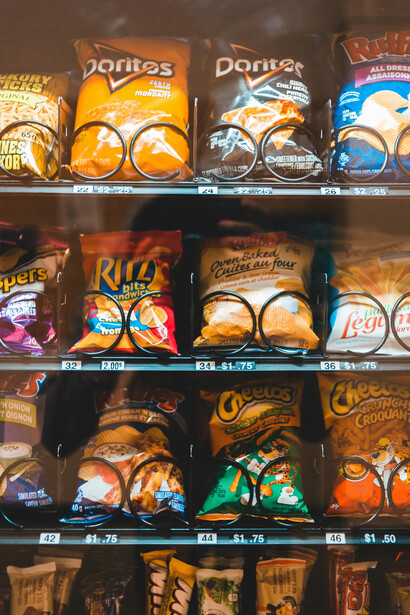
Ultra-processed foods are products formulated predominantly from refined ingredients such as sugars, fats, starches, protein isolates, and synthetic additives. According to the NOVA classification system developed by the University of São Paulo, UPFs are distinct from minimally processed foods (e.g., vegetables, grains, milk) and processed culinary ingredients (e.g., oils, sugar). Examples include soft drinks, packaged snacks, ready-to-eat meals, flavored yogurts, breakfast cereals, and fast food items.
These foods are designed for high palatability, long shelf life, and low production cost. Their composition and texture often bear little resemblance to the whole foods from which they originate. The combination of refined carbohydrates, added fats, salt, and artificial flavors is carefully calibrated to deliver intense sensory stimulation, triggering powerful reward responses in the brain.
The brain’s reward system: a brief overview
The human brain evolved to motivate survival behaviors such as eating, reproduction, and social bonding. Central to this system is the mesolimbic dopamine pathway, which links the ventral tegmental area (VTA) to the nucleus accumbens, a region that processes reward and motivation. When we eat food, especially calorie-dense or sweet food, dopamine is released, generating pleasure and reinforcing the behavior.
In a natural environment, this system ensures that we seek out energy-rich foods during times of scarcity. However, in modern food environments dominated by engineered products, the same reward pathways can be overstimulated, driving compulsive eating even in the absence of true hunger.
How ultra-processed foods manipulate the brain
Hyperpalatability and sensory overload
UPFs are engineered to provide a “bliss point,” the precise combination of sugar, fat, and salt that maximizes pleasure. Studies using functional MRI (fMRI) show that consuming these foods activates the same reward circuits involved in drug addiction, including the nucleus accumbens and orbitofrontal cortex. Over time, repeated stimulation can reduce dopamine receptor sensitivity, meaning greater quantities are required to achieve the same sense of reward, a hallmark of addictive behavior.
Rapid energy delivery
Unlike whole foods, UPFs often have a high glycemic index and contain refined fats that are rapidly absorbed. This leads to quick spikes in blood glucose and insulin, followed by sharp drops that trigger renewed hunger and cravings. The brain perceives this fluctuating energy availability as a signal to seek more food, perpetuating a cycle of overconsumption.
Conditioned cues and habit formation
Through marketing, packaging, and sensory cues (smell, texture, color), UPFs become associated with comfort, celebration, or stress relief. These cues activate the amygdala and hippocampus brain regions involved in emotional learning and memory, creating powerful conditioned responses. Merely seeing or smelling a familiar snack can elicit anticipatory dopamine release, leading to impulsive eating even without hunger.
Impaired satiety signaling
Ultra-processed foods are often low in protein, fiber, and micronutrient components that promote satiety. Moreover, they can disrupt gut-brain communication via the vagus nerve and hormonal signals such as ghrelin (hunger hormone) and leptin (satiety hormone). Chronic consumption may blunt leptin sensitivity, meaning the brain fails to register fullness despite adequate caloric intake.
The neuroscience of food addiction
The concept of “food addiction” remains debated, but there is growing consensus that certain foods can evoke neurobiological changes similar to those seen with substance use disorders. Animal models have shown that rats given intermittent access to sugar or high-fat diets exhibit bingeing, withdrawal, and anxiety-like behaviors when access is removed. In humans, brain imaging studies show overlapping activation patterns between food cues and addictive drugs in reward-related areas.
Dopaminergic dysregulation
Dopamine plays a central role in the anticipation and motivation to eat. Chronic exposure to hyperpalatable foods can downregulate D2 dopamine receptors, reducing reward sensitivity and promoting overeating to compensate for diminished pleasure. This dysregulation mirrors patterns seen in addiction to substances such as cocaine or alcohol.
Prefrontal cortex impairment
The prefrontal cortex, responsible for decision-making and impulse control, shows reduced activation in individuals with obesity or binge-eating tendencies when exposed to food cues. This suggests that repeated overstimulation of the reward system can weaken top-down control mechanisms, making it harder to resist cravings.
Stress and the HPA axis
Stress enhances susceptibility to food addiction by activating the hypothalamic-pituitary-adrenal (HPA) axis and increasing cortisol levels. Cortisol promotes preference for high-fat, high-sugar foods by enhancing dopaminergic activity in the reward system. Chronic stress, therefore, not only encourages emotional eating but also reinforces the neural pathways associated with addictive consumption.
Genetic and epigenetic influences
Individual susceptibility to food addiction is partly genetic. Variants in genes regulating dopamine signalling (e.g., DRD2, COMT) and appetite hormones (e.g., FTO, MC4R) influence reward sensitivity and energy balance. Epigenetic modifications are heritable changes in gene expression without altering the DNA sequence and may also play a role. For instance, long-term exposure to high-fat, high-sugar diets can alter DNA methylation in genes related to reward and metabolism, perpetuating overeating behaviors.
Such genetic and epigenetic interactions help explain why some individuals can moderate their intake of UPFs while others struggle with compulsive eating.
The role of the gut-brain axis
The gut microbiota is increasingly recognized as a key player in appetite regulation and reward signaling. Diets high in ultra-processed foods reduce microbial diversity and promote dysbiosis, which can influence brain function through the production of metabolites, inflammatory cytokines, and neurotransmitters.
Short-chain fatty acids (SCFAs), produced by fermentation of dietary fiber, normally promote satiety by stimulating the release of GLP-1 and PYY hormones. A diet lacking in fiber and rich in emulsifiers or artificial sweeteners disrupts this mechanism, impairing satiety and promoting cravings.
The bidirectional communication between the gut and brain suggests that chronic consumption of UPFs may not only alter appetite but also reinforce reward-seeking behavior through inflammatory and neurochemical pathways.
Breaking the cycle: evidence-based strategies
Dietary interventions
Prioritize whole foods: diets rich in minimally processed foods, fruits, vegetables, legumes, whole grains, and lean proteins enhance satiety and stabilize blood glucose.
Increase protein and fiber intake: both slow digestion and stimulate satiety hormones, reducing subsequent calorie intake.
Reduce added sugars and refined fats: limiting these components decreases reward-system overstimulation and helps normalize dopamine function.
Mindful eating: paying attention to hunger and fullness cues has been shown to reduce impulsive eating and improve self-regulation.
Behavioral and cognitive approaches
Cognitive behavioral therapy (CBT): helps identify and reframe thought patterns that drive emotional or habitual eating.
Cue management: minimizing exposure to marketing triggers, keeping tempting foods out of sight, and modifying daily routines can reduce cue-induced cravings.
Self-monitoring: tracking food intake and mood patterns increases awareness of triggers and progress.
Addressing stress and sleep
Chronic stress and poor sleep amplify cravings for energy-dense foods by elevating cortisol and disrupting circadian regulation of appetite hormones. Mindfulness-based stress reduction, adequate sleep (7–9 hours per night), and physical activity support hormonal balance and emotional resilience.
Gut health restoration
Reintroducing prebiotic fibers (e.g., inulin, resistant starch) and fermented foods can restore microbial balance, improving satiety signaling and reducing inflammation. Emerging research suggests that targeting the gut microbiome may help attenuate food addiction behaviors.
Public health and policy perspectives
While individual strategies are essential, the broader challenge requires systemic solutions. Ultra-processed foods are ubiquitous, aggressively marketed, and often cheaper than healthier alternatives. Policy interventions may include:
Reformulation targets to reduce added sugars, salt, and trans fats.
Marketing restrictions on children’s exposure to high-sugar snacks and beverages.
Clearer front-of-pack labeling to help consumers make informed choices.
Subsidies or incentives to make whole foods more affordable and accessible.
Public education campaigns that explain the neurobiological impact of UPFs can also empower consumers to make more conscious decisions.
The future of research
Advances in neuroimaging, genomics, and metabolomics are deepening our understanding of how diet shapes brain function. Future research will likely focus on identifying biomarkers of food addiction, understanding interindividual variability, and developing targeted interventions. Integrative approaches combining nutrition science, psychology, and neuroscience are essential to address the complexity of appetite regulation in modern environments.
Conclusion
Ultra-processed foods exploit fundamental features of human neurobiology, our innate drive to seek pleasure and energy efficiency. By overstimulating the brain’s reward circuits and disrupting appetite regulation, these foods can lead to patterns of overconsumption that mirror addictive behavior. The result is a global “hunger game” in which biological instincts are manipulated by industrial formulations designed for profit rather than nourishment.
Breaking this cycle requires a multifaceted approach: restoring dietary quality, strengthening cognitive control, supporting gut health, and implementing public policies that promote healthier food systems. Understanding the neuroscience of appetite not only clarifies why ultra-processed foods are so hard to resist but also provides a roadmap for reclaiming control one evidence-based step at a time.