English
 Español
 Français
 Deutsch
 Italiano
 Português
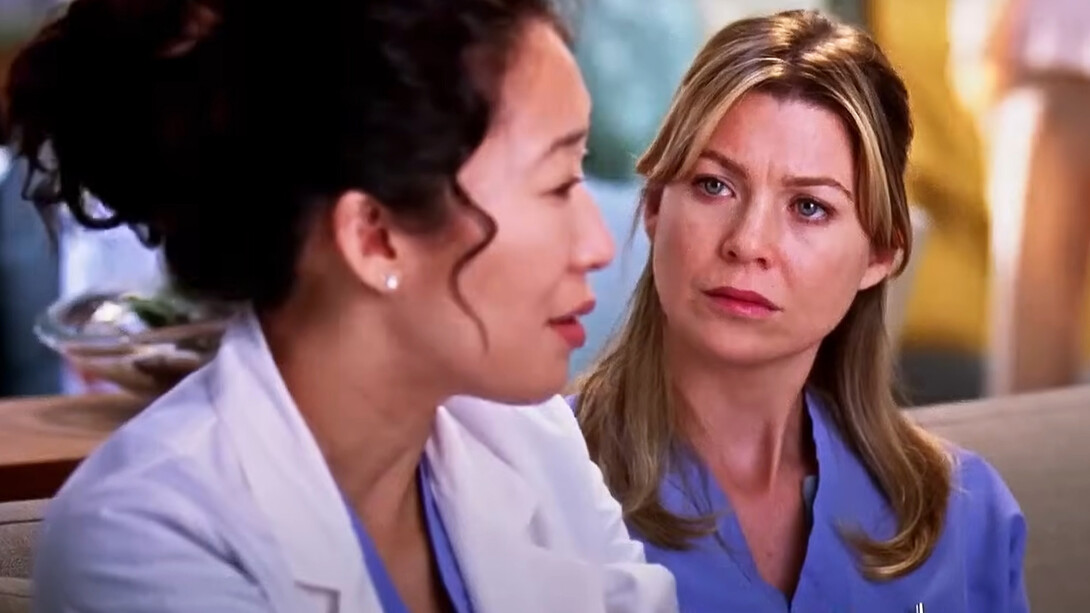
When people argue that a long-running show has overstayed its welcome, the criticism often seems less about storytelling and more about impatience. Some stories aren’t meant to burn out quickly. Some stories become institutions. Grey's Anatomy is one of them. For over 20 seasons, it has remained in steady cultural rotation, evolving alongside medical science, patient advocacy, and social expectations about care. The show has changed how millions of viewers understand hospitals, doctors, patients, rights, bias, grief, systemic failure, resilience, rare conditions, common conditions, and misunderstood conditions.
Its longevity has cemented medicine as a permanent topic of public discussion rather than a trend that peaks and fades. When a show stays on the air for two decades, it quietly archives the medical anxieties of each era. Early seasons centred on surgery’s frontier spirit—experimental procedures, fatal accidents, high-risk innovation, battlefield trauma, HIV stigma, residency hazing, competition for approval, and the idea of the doctor as hero.
Over time, the narrative lens expanded. New seasons began giving space to conversations around consent, diagnostic bias, patient autonomy, institutional mistrust, under-researched conditions, chronic pain, maternal mortality, reproductive injustice, medical racism, disability, neurodivergence, gendered pain bias, and the psychology that lives in every exam room.
Part of the reason the show has hit these notes so consistently is because it's built on a foundation of emotional realism and research-forward writing. Every major case featured in plotlines is an opportunity to learn how bodies behave under stress, illness, dismissal, treatment, misinterpretation, emergency, surgery, recovery, infection, resilience, uncertainty, loss, hope, error, prejudice, human failure, and human brilliance.
The classroom we didn’t know we were in
This model of constant exposure has made the show a disguised but powerful health curriculum. It teaches what bedside manner should look like in real life. The respect we see modeled becomes a subconscious benchmark. This matters because real healthcare outcomes are linked to communication quality. Good clinical communication improves adherence, symptom accuracy, patient satisfaction, mental well-being, care navigation, anxiety reduction, and trust, especially for patients managing chronic illness.
When viewers watch doctors who speak gently, listen actively, explain clearly, interpret cautiously, show curiosity instead of assumption, respect consent, honour autonomy, and treat patients like partners, the show becomes a training ground for what dignity in medicine sounds like. We learn the difference between transactional diagnostics and actual care. We learn to notice when empathy is present and when it is withheld.
For me personally, the impact has been unmistakable. Grey's Anatomy helped me decode medicine from the outside in. It gave language to what patients deserve:
The right to understand a condition rather than receive a label.
The right to ask questions without fear of disruption.
The right to be unsure.
The right to refuse without retaliation or judgement.
The right to clarity.
The right to a second opinion.
The right to treatment options.
The right to dignity.
The right to not be stereotyped.
The right to a clinician who is present rather than imposing.
The right to an explanation before an instruction.
The right to be heard before you are categorized.
The right to research your doctor’s reputation, communication style, outcomes, patient feedback, and institutional track record.
The right to be a partner in the decision rather than brace for it.
When doctors don’t treat stereotypes
One of the show’s most valuable offerings is its refusal to sugar-coat medical blind spots. Doctors wield enormous social authority. Authority that decides who gets tests and who gets told to rest. Who gets treatment and who gets infantilized. Who gets believed and who gets categorized. Most importantly, who gets the time of curiosity and who gets filtered through assumptions.
I have seen these stereotypes applied to me in ways that bordered on comical if the consequences weren’t so serious. Before being diagnosed with GERD, a condition affecting the digestive tract, they assumed I was overusing pain medication. Chronic pain patients—particularly women—are often read as being excessively medicated by default. I wasn’t. In fact, I had always chosen endurance over analgesia. I take painkillers only when they are absolutely necessary, and even then, reluctantly.
Another clinician suggested my GERD was the result of excessive alcohol consumption. I don’t drink. These diagnostic guesses were not connected to symptoms. They were connected to scripts. Convenient scripts. Faulty scripts.
Clinician bias like this is well-documented in research. Patient demographics often shape diagnostic instincts prematurely. Young adults are filtered through the “party hard” stereotype. Women in pain are filtered through the “hormonal complaint” stereotype.
Chronic pain patients are filtered through the “heavy meds” stereotype. People of child-bearing age are filtered through the “lifestyle choices” stereotype. The problem is not power. The problem is power without accountability. Expertise should extend beyond familiarity with patterns—expertise must stay open to contradiction.
This is why the show matters to me as a complete series—every era of the show has been part of the lesson. It has always challenged the kind of convenient assumptions that medicine too often leans on when curiosity is depleted by workload, bias, or hubris. It taught me that the real mark of competence isn’t speed. It’s scepticism. Confirmation. Research. Questions. Listening. Differential diagnosis. Conscious bias disruption. Curiosity before conclusion.
Representation in a white coat is only half the story
Mainstream medical storytelling carries symbolic weight. When a condition is shown repeatedly in major media, it begins to shed the aura of niche invisibility.
One of the most impactful moments came when the show addressed endometriosis, a condition that affects large swathes of women and people assigned female at birth. Endometriosis has been historically minimized, under-researched, and normalized as “bad periods.” Including it in a major medical narrative matters. The presence of endometriosis in the show now—not because it is new, but because the conversation around female pain finally demanded a platform this large.
Many patients report going to doctors expecting empathy and receiving assumption. In that gap between expectation and experience, health literacy becomes armour. The show hands us pieces of that armour early.
What tests to ask about. What language to use to avoid self-doubt. When a doctor is side-stepping informed consent. When a clinician is slipping into bias. When bedside manner becomes a credential rather than a courtesy. When care is present. When it is phoned in. The importance of dignity in treatment. The courage to insist on understanding our own file, diagnosis, scans, chart, surgical plan, medication side effects, insurance rights, treatment alternatives, and legal autonomy over our own bodies.
Medicine learns from stories, and so do patients
People watch Grey's Anatomy for romance, drama, grief, friendship, intrigue, heartbreak, medical emergencies, emotional payoffs, nostalgia, love triangles, character growth, career arcs, catastrophic injuries, near-death episodes, and grand emotional turns. What keeps people returning is recognition. Recognition of pain, bias, advocacy, grief, systems, care, communication, birth, death, love, dismissal, grief, errors, friendships, lives rewritten by a diagnosis, resilience shaped by adversity, and boundaries redrawn by experience in a hospital corridor.
The world is not tired of long-running stories. The world is tired of long-running medical ignorance. The show’s real contribution has been reminding us year after year that medicine is human first. Fallible first. Systemic first. Overworked first. Biased first. Brilliant second. And constantly learning.
The big lesson? Medicine should be patient-first, not pattern-first
A good doctor doesn’t need to perform authority. They need to perform curiosity. Patients don’t need doctors to sound powerful. We need doctors to sound present. Diagnostic bias thrives where listening dies. Accuracy lives where confirmation begins. Care improves where accountability exists. Empathy improves where bias is challenged. Patients thrive where understanding is mutual.
If the show ended too early, many of these conversations would still be starving for mainstream vocabulary. If the show continues, the vocabulary expands. The knowledge spreads. The empathy circulates. The assumptions thin out. The questions get better. The rights stay intact. The patients stay human. The doctors stay curious.