English
 Español
 Français
 Deutsch
 Italiano
 Português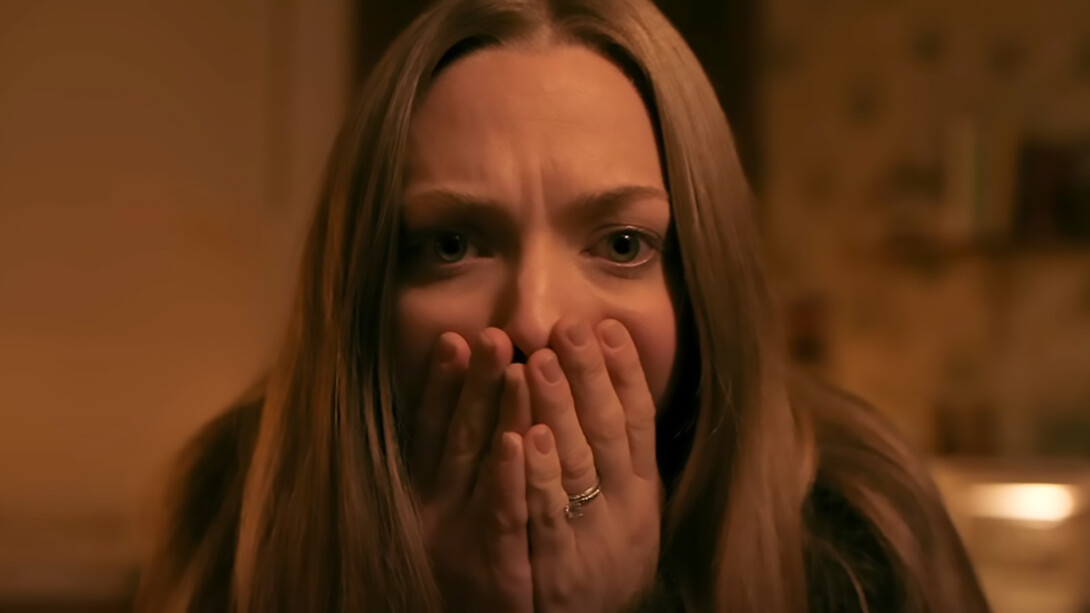
Since its earliest days, horror cinema has mirrored the deepest fears of each generation in disturbing ways. We’ve feared witches, demons, possessed houses, zombies, and supernatural entities emerging from shadows or crawling out of dark corners of reality. Every era creates the villain that best reflects its anxieties and uncertainties. But what haunts this generation no longer comes from the outside. It comes from within.
This new horror is intimate. It lives in unresolved memories, in denied abuse, and in the anxiety that quietly consumes us. Today, the true villain of modern horror doesn’t roar or groan. It resurfaces. As trauma.
This psychological, personal, and often silent kind of horror dominates the most compelling works in the genre today. The jump scare has lost ground to a slow, silent tension that grows out of emotional wounds that never healed. There’s no more space for crucifixes, holy water, or protective salt. What helps, if anything helps, is therapy.
Psychological horror as the new dominant subgenre
Today’s psychological horror doesn’t aim just to scare. It seeks to expose deep social and emotional wounds. It brings up uncomfortable issues, the ones silenced for generations, revealing what has always been there but we chose to ignore.
This new approach to horror puts the audience in an uneasy position. More than witnessing terrifying events, we are forced to confront what we carry in silence. Horror is now intimate, personal, and universal all at once—a brutally effective and powerful combination.
To better understand this shift, we need to look at some standout films from this wave of psychologically and emotionally disturbing horror.
Films that exemplify trauma as the new villain
Smile (2022)
Here, trauma is portrayed as a social virus that spreads quickly yet silently. The powerful visual symbol of the fake smile reflects the desperate and futile attempt to hide emotional suffering. The film shows us that untreated trauma contaminates everyone around us, as the protagonist struggles to be heard and believed—a clear social critique of how emotional and mental trauma is often silenced. The horror is not supernatural. It is the deep, terrifying loneliness of being disbelieved and ignored until breaking point.
X, Pearl, and MaXXXine (2022–2024)
This trilogy, seemingly a bloody slasher, hides a deeper narrative: the true horror of aging, sexual frustration, repressed desire, and loneliness. Pearl is not simply a cruel killer. She is a woman tormented by what was denied to her—freedom, love, and youth. The explicit violence hides an even more explicit but neglected pain. The real horror is the cruel mirror of time, regret, and the lives society never allowed to be fully lived.
Barbarian (2022)
This film directly addresses abuse and gender-based violence, using a house as a metaphor for the layers of male, cultural, and institutional oppression. The horror does not come only from obvious monsters but especially from those who seem harmless—men who appear trustworthy but are revealed to be dangerous. The film reinforces that the true terror is the invaded female body, assaulted and marked by permanent trauma, not only in the victim but also in the memory of an entire society.
Evil dead rises (2023)
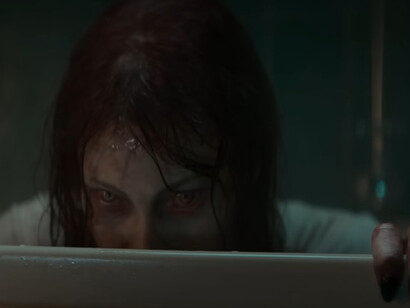
In this film, ancestral collective trauma manifests in a physical and brutal way. The untreated pain of generations emerges as a concrete and violent entity. The message is clear—the true evil does not come from abstract demonic forces but from suffering that has been ignored, accumulated, and left unresolved for too long. Horror becomes tangible and inevitable because when we fail to confront our collective traumas, we allow them to grow until they erupt in devastating ways.
Things heard and seen (2021)
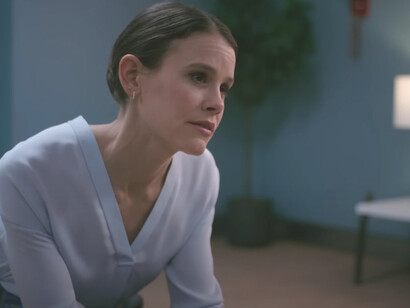
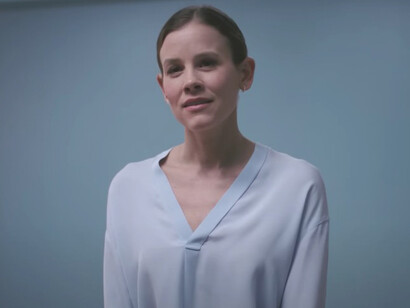
This was the last film I watched, and it instantly became my favorite among this new wave of emotional horror. Even though it was released in 2021, this film remains incredibly relevant in its portrayal of marriage as an emotional prison. The horror emerges from the historical silencing of the artistic, sensitive, and spiritual woman who must suppress herself for the sake of the relationship. Trauma is represented by the gradual disappearance of the feminine identity, crushed by social and emotional expectations, showing that real horror often comes disguised as ordinary, domestic, and seemingly harmless life.
A reflection on why this type of horror works
Why does trauma-based horror work so well? Because it forces us to face our own anxieties and vulnerabilities. This horror is not escapist—it is introspective. It is not something we watch from a distance, safe and detached, but something we feel directly in our skin, our minds, and our memories.
Unlike traditional supernatural horrors, these films expose something that is both universal and deeply personal. Everyone has traumas, unresolved pain, and intimate fears. Seeing these traumas represented so viscerally on screen creates a powerful and unsettling sense of identification.
Horror and emotional exorcism
The new wave of horror cinema didn’t invent monsters. It simply exposed the ones we pretend not to see. Trauma became the villain because it was never treated as the victim. Films like Smile, X, Pearl, Barbarian, Evil That Arise, and Things Heard and Seen are not just trying to scare us—they are sparking difficult and necessary conversations about mental health, abuse, violence, and silence.
By placing trauma at the center of their narratives, these films perform a kind of collective emotional exorcism. Perhaps, by confronting these intimate horrors through fiction, we become better equipped to deal with them in real life. And maybe that is the greatest contribution of this new horror: revealing that the real villain was never outside of us. It was always within, just waiting for the right moment to emerge. Cinema is simply screaming out loud what we have been carrying silently all along.