English
 Español
 Français
 Deutsch
 Italiano
 Português
Aāgama Hinduism represents one of the most refined, esoteric, and structurally codified knowledge systems within the vast spectrum of Sanātana Dharma. The word “Aāgama” derives from the Sanskrit root “ā + gam,” meaning “that which has come down,” referring to teachings transmitted through an unbroken lineage from the divine to the human realm. While the Vedas form the foundational revelation of Hindu thought, the Aāgamas function as parallel and equally authoritative scriptures that guide temple construction, ritual worship, philosophical contemplation, yogic disciplines, and tantric methodologies.
Aāgama Hinduism becomes particularly distinct due to its emphasis on living practice (anuṣṭhāna) rather than solely scriptural scholarship. It is not merely a textual tradition but a complete theological and ritualistic ecosystem sustained through teacher-disciple lineages, temple cultures, artistic traditions, and esoteric schools of yoga and mantra-sādhanā.
Understanding the nature of the Aāgamas
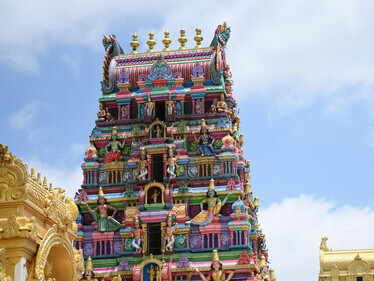
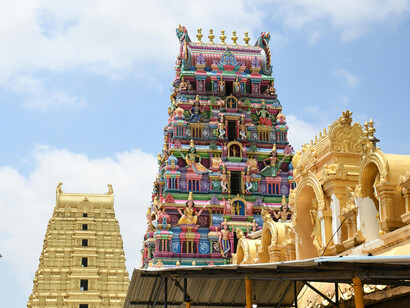
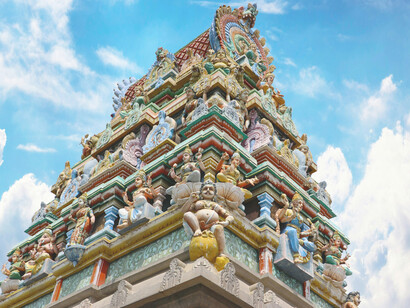
Aāgamas are non-Vedic yet Veda-compatible scriptures. They do not contradict the Vedas; instead, they elaborate on the practical dimensions that the Vedas often leave unexplained. While the Vedas are revelation (śruti), the Aāgamas are considered divine teachings (sthāpita), articulated by God to a deity, sage, or seer, and then passed on to humanity. The Aāgamas provide comprehensive instructions on temple architecture (vāstu and prāsāda-vidhi), iconographic rules (mūrti-lakṣaṇa), the protocols of initiation (dīkṣā), as well as detailed insights into the philosophy of consciousness, cosmology, metaphysics, ritual methodologies (paddhati), and the interconnected systems of mantra, yantra, tantra, and various yogic disciplines distinct from Pātañjala Yoga.
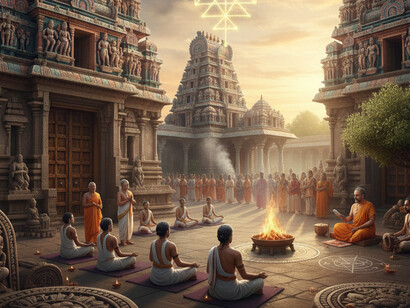
They also elaborate on daily worship, festivals, observances, and a wide range of community ethics and spiritual disciplines, unlike the Vedas, which often state principles poetically, the Aāgamas detail precise practice-oriented methods that became the backbone of classical Hindu worship across temples and households.
Classification of Aāgamas: the three major hands
Traditionally, Aāgamas are divided into three principal streams corresponding to the major deities of Hindu worship.
Shaiva Aāgamas (Śaiva Siddhānta & Non-Dual Śaivism)
The Shaiva Aāgamas focus on Śiva as the supreme reality (Parameśvara) and are considered among the most ancient tantric scriptures in the world, mapping both dualistic and non-dualistic approaches to liberation. They emphasize elaborate temple rituals, particularly in South India; intricate mantra-śāstra and yogic systems; and philosophical schools such as Śaiva Siddhānta and Trika Kashmir Śaivism. Shaiva worship is structured through panchakṛtya, or the five cosmic actions. Traditionally, there are 28 main Shaiva Aāgamas, including the Kāmika, Sūrya, Vātula, Raurava, Mṛgendra, Kirāna, Ajita, and Niśvāsa, among others. These texts govern the architecture and ritual systems of major South Indian temples such as Chidambaram, Madurai, and Rameshwaram.
Vaishnava Aāgamas (Pancharātra & Vaikhānasa)
The Vaishnava Aāgamas are dedicated to Nārāyaṇa or Viṣṇu and guide worship traditions in some of the world’s grandest temples. They include the Pancharātra and Vaikhānasa sub-schools, each with extensive ritual systems. These scriptures offer detailed instructions for temple consecration (pratiṣṭhā), describe worship of divine forms such as Vāsudeva, Saṅkarṣaṇa, Pradyumna, and Aniruddha, and integrate devotion (bhakti-yoga) with ritual precision. Their teachings highlight the importance of the mūla-mantra and Gayatrī formulas associated with Viṣṇu. Examples include the Padma Saṁhitā, Jayākhyā Saṁhitā, Ahirbudhnya Saṁhitā, and Lakṣmī Tantra. Many iconic temples—including Tirupati Balaji—follow Pancharātra or Vaikhānasa guidelines.
Shakta Aāgamas (Tantras of Devi Worship)
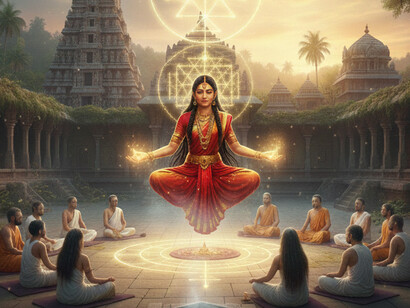
The Shakta scriptures, known collectively as Tantras, establish Devi as the ultimate, self-existent consciousness (Ādiśakti). They articulate the concept of Shakti as the cosmic womb, elaborate complex systems of mantra, yantra, and esoteric rituals, and encompass worship traditions ranging from benign (saumya) to fierce (raudra). Major philosophical systems include Kashmir Trika, Śrīvidyā, Kaula, and Yogini traditions. Key texts include the Rudra Yamala, Vijñāna Bhairava Tantra, Kulārṇava Tantra, Tripura Rahasya, Devī Rahasya, and Mālinīvijayottara Tantra. While the Shaiva and Vaishnava Aāgamas lean toward temple formalism, the Shakta Aāgamas display profound yogic and metaphysical subtleties.
Origins: who created the Aāgamas and where?
The Aāgamas are not attributed to human authorship; their origins are described in metaphysical rather than historical terms. Nearly all Aāgamas begin as divine dialogues (daiva-saṁvāda), such as Śiva instructing Devī or Viṣṇu in the Shaiva Aāgamas, Nārāyaṇa teaching Śrī or Brahmā in the Vaishnava Aāgamas, and Ādiśakti teaching Śiva or the Yoginis in Shakta Tantras. They occupy a sacred status known as divinely revealed teachings within the nigama–āgama framework.
Historically, the emergence of Aāgamas spans several eras. Pre-Vedic roots (before 1500 BCE) are suggested by Indus Valley remains such as proto-Śiva figures, yogic seals, and mother goddess sculptures. By the early Common Era (0–300 CE), Shaiva, Shakta, and Vaishnava doctrines began appearing in textual form. The classical period (300–900 CE) marks the golden era of Aāgama consolidation, shaping South Indian and Kashmiri temple culture. During the medieval period (900–1500 CE), systems like Śrīvidyā, Kaula, and Trika flourished, with monastic centers and temple traditions integrating Aāgama manuals as their primary texts. Historically, the Aāgamas reflect the synthesis of ancient Dravidian rituals, proto-tantric Indus-Sarasvati elements, early yogic and shamanic practices, and interactions between Vedic and local traditions.
Schools and hands within Aāgama Hinduism
Beyond the three primary branches, Aāgama Hinduism diversified into various sub-lineages or “hands” (mārgas). The Shakta systems include the Dakṣiṇa, Vāma, and Madhyama Mārga, representing right-handed, left-handed, and central tantric practices. Kashmir Shaivism includes Kaula, Trika, and Krama traditions focused on non-dual metaphysics, subtle-body practices, and inner worship. Śaiva Siddhānta, dominant in Tamil Nadu and Sri Lanka, emphasizes temple worship, guru-disciple initiation, and a graded path of spiritual progress. The Siddha and Nātha traditions maintain yogic, alchemical, and mystical teachings rooted in Aāgama cosmology. Vaishnava Aāgamic traditions such as Sri Vaishnava and Ramanandi emphasize devotional theology, ritual precision, and the continuity of temple service. Each lineage carries its own linguistic, philosophical, and ritual uniqueness, yet all trace their authority to the Aāgama corpus.
Aāgama Hinduism in contemporary practice
Aāgama Hinduism remains a living global tradition. In India, its strongest centers include Tamil Nadu, Karnataka, Kerala, Odisha, Kashmir, Assam, Bengal, Gujarat, and Rajasthan, where most major temples—from Meenakshi and Tirupati to Jagannath, Kailasanatha, and Somnath—strictly follow Aāgama guidelines. Outside India, Aāgama traditions flourish in Nepal’s Newar culture, Sri Lanka’s Shaiva Siddhānta communities; Indonesia’s Balinese Hinduism; and across temple ruins in Cambodia, Vietnam, and Thailand. Traces of Aāgama frameworks also appear in Myanmar, Laos, and early Tibetan tantra.
Diasporic communities have carried Aāgama Hinduism worldwide. Countries such as Mauritius, Fiji, Trinidad, Guyana, and Suriname maintain South Indian Shaiva and Vaishnava temple rituals. Large temples in the United States, Canada, the United Kingdom, and Europe—including the Pittsburgh Venkateswara Temple, the Malibu Temple, London’s Murugan Temple, and Ganesha temples in Paris and Berlin—operate entirely on Pancharātra, Vaikhānasa, Shaiva Siddhānta, or Shakta Aāgama systems. Australia, New Zealand, and South Africa have also established fully Aāgama-based temple traditions with trained priests.
Impact and significance
Aāgama Hinduism is not a peripheral stream of Hinduism; it is the functional core of modern Hindu worship. Without the Aāgamas, there would be no standardized temple architecture, no mūrti consecration, no coherent ritual systems, and no unified tradition of mantra, tantra, and sacred arts. The Aāgamas provide essential frameworks for spiritual practice, ritual standards for temples worldwide, iconographic rules that preserve artistic heritage, philosophical clarity on consciousness and liberation, and living traditions of yogic and tantric sādhanā. They sustain Hinduism as both a metaphysical philosophy and a vibrant cultural civilization.
Conclusion
Aāgama Hinduism is one of the most intricate and sophisticated religious systems in the world. Rooted in ancient pre-Vedic cultures yet reaching maturity in the classical and medieval periods, it continues to shape the spiritual architecture of Hindu life globally. It is a living testimony to the dynamism of Indian civilization, uniting philosophy, ritual, art, yoga, and metaphysics into a coherent whole. Wherever a Hindu temple stands, Aāgama Hinduism lives.
References
Goudriaan, Teun & Gupta, Sanjukta. Hindu Tantric and Shakta Literature. Otto Harrassowitz, 1981.
Sanderson, Alexis. “Shaiva Literature and the Indian Religions.” Journal of the Royal Asiatic Society, 2009. Padoux, André. The Hindu Tantric World: An Overview. University of Chicago Press, 2017.
Davis, Richard. Ritual in an Oscillating Universe: Shakta Tantrism According to the Kubjika Tradition.
Flood, Gavin. The Tantric Body: The Secret Tradition of Hindu Religion. I.B. Tauris, 2006.
Srinivasan, Doris. Many Heads, Arms, and Eyes: Origin and Meaning of Multiplicity in Indian Art.
Brunner, Hélène. The Śaiva Āgamas: A Survey. Institut Français de Pondichéry, various volumes.
Kramrisch, Stella. The Hindu Temple. Motilal Banarsidass.
Rao, T.A. Gopinatha. Elements of Hindu Iconography, 2 vols.