English
 Español
 Français
 Deutsch
 Italiano
 Português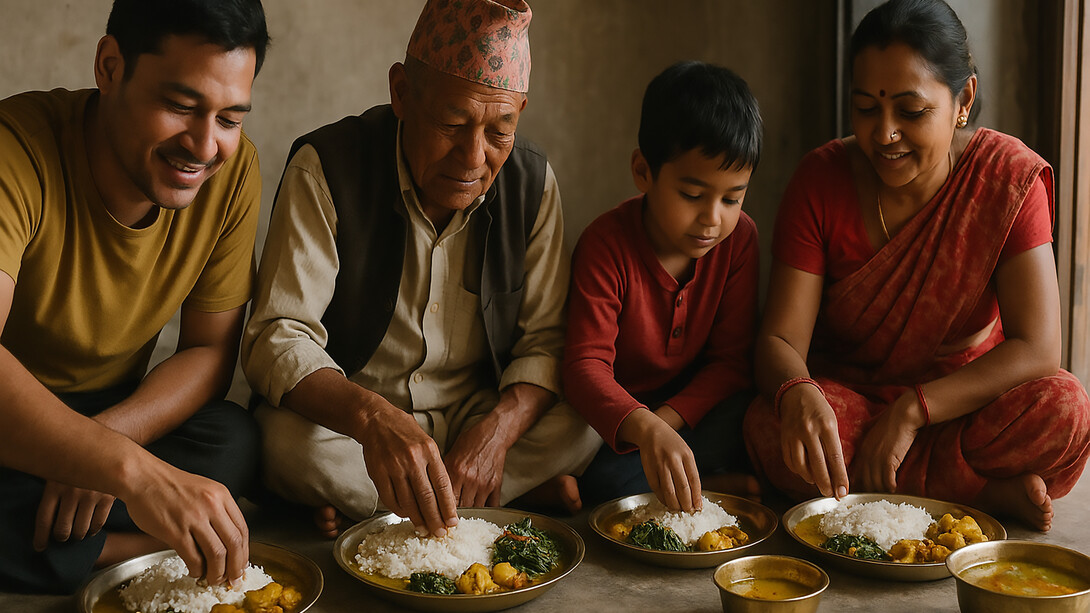
Brahman cuisine of Nepal represents a distinct culinary tradition shaped by religion, purity, and cultural continuity. Rooted in the principles of Hinduism, it emphasizes simplicity, balance, and spiritual discipline. The Brahmans, known as Bahuns in the Nepali context, have historically been regarded as the priestly and scholarly caste of society. Their food habits are guided by religious doctrines that link diet with morality, health, and spiritual well-being.
Unlike other ethnic cuisines of Nepal that incorporate meat, fish, and alcohol, Brahman cuisine is primarily vegetarian, reflecting the concept of ahimsa (non-violence). It is based on fresh, seasonal, and sattvic foods—those believed to promote mental clarity and peace. However, the cuisine is not limited to vegetarianism; rather, it showcases a refined balance of grains, pulses, dairy, and mild spices, demonstrating how purity and flavor can coexist.
Over centuries, Brahman culinary practices have influenced the broader food culture of Nepal. Their focus on ritual, hygiene, and balance has become part of the nation’s household traditions. Even in modern times, Brahman cuisine stands as a symbol of health-conscious, spiritually aware, and sustainable living.
Historical and cultural background
The origin of Brahman cuisine in Nepal is intertwined with the migration of Aryan settlers into the Himalayan region around 1500 BCE. The Brahmans, as custodians of Vedic rituals and Sanskrit learning, carried with them a dietary system governed by religious philosophy. Over time, they settled mainly in the hill and mid-hill regions—from eastern districts like Jhapa and Morang to the western areas of Lamjung, Syangja, and Palpa.
Their diet was molded by both the geographical environment and the principles of Hinduism. Agriculture was the main livelihood, and Brahman families cultivated rice, millet, maize, and vegetables on terraced hillsides. This agricultural foundation shaped a cuisine rich in plant-based ingredients and dairy products.
In the caste-based social structure, food was a major marker of purity. The Brahmans were expected to maintain the highest standards of cleanliness and spiritual discipline in cooking and eating. They prepared food in separate, sacred spaces called aghar or chulo ghar (kitchen), where only family members were allowed. Use of earthen pots, brass utensils, and fresh water was mandatory to preserve ritual purity.
Food, for the Brahmans, was not merely sustenance but also an offering to the divine. Every meal began with prayers, and a portion was dedicated to the gods and ancestors. Such customs reflect how Brahman cuisine evolved not only as a dietary system but also as a cultural and spiritual expression of the Hindu worldview.
Religious influence and dietary philosophy
Religion is the foundation of Brahman cuisine. The Hindu texts—Manusmriti, Bhagavad Gita, and Ayurveda—classify food into three categories: sattvic, rajasic, and tamasic.
Sattvic foods (pure, light, and vegetarian) promote clarity, peace, and health.
Rajasic foods (spicy, oily, stimulating) are said to excite passions and restlessness.
Tamasic foods (stale, meat-based, and intoxicating) are believed to cloud the mind and reduce vitality.
Brahmans are encouraged to consume sattvic food and avoid the other two types, especially tamasic. Therefore, their diet excludes meat, fish, eggs, garlic, and onion in many traditional households, as these are considered rajasic or tamasic. Instead, they rely on grains, legumes, dairy, fruits, and mild spices.
Fasting (Upavasa) and feasting (Bhojan) cycles are also important. Fasts are observed on specific lunar days and festivals to purify the body and soul. On such days, foods like fruits, milk, yogurt, and certain grains (like buckwheat or water chestnut flour) are consumed. Feasts, on the other hand, occur during religious ceremonies like weddings, bratabandha (sacred thread ceremony), or Dashain, featuring elaborate vegetarian meals.
This philosophy transforms eating into a moral act—one that shapes character and spirituality. It also fosters a culture of moderation, mindfulness, and gratitude toward food.
Ingredients and cooking techniques
Brahman cuisine relies on purity and simplicity rather than complexity or excess. Its ingredients are locally sourced and minimally processed, ensuring freshness and nutritional balance.
Staple ingredients
Rice (Bhat): central to Brahman meals, especially white or parboiled rice, cooked fresh each day.
Lentils (Dal): a major protein source, cooked into soups using mild spices like turmeric and cumin.
Vegetables: seasonal produce such as spinach, pumpkin, radish, cauliflower, okra, and gourd.
Dairy: milk, curd, ghee, and paneer (cottage cheese) hold sacred importance and are used generously.
Fruits: bananas, mangoes, apples, papayas, and citrus fruits, often offered to deities before consumption.
Spices: cumin, coriander, fenugreek, turmeric, and asafetida (hing). Garlic and onions are often avoided in traditional homes.
Flours: wheat flour for roti (flatbread) and buckwheat flour for fasting dishes.
Cooking techniques
Cooking is done with great attention to cleanliness. The cook bathes before entering the kitchen, and utensils are cleaned with ash or soil followed by water. Traditionally, food is prepared over a wood-fired clay stove (chulo).
Steaming, boiling, and shallow frying in ghee are preferred methods, ensuring light and digestible meals. Deep-frying and heavy oil are rarely used. Leftovers are discouraged; food is freshly cooked for each meal to maintain purity. The philosophy is “as simple as possible, as pure as necessary.”
Everyday foods
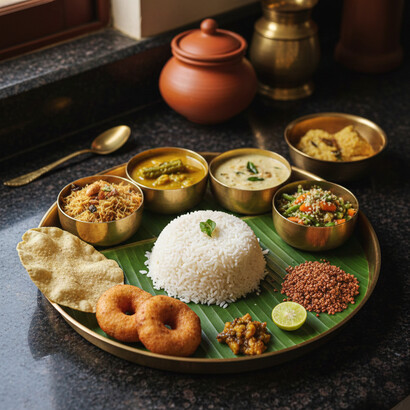
The daily Brahman meal is a balanced combination of rice, dal, vegetables, and dairy products. It is both nourishing and spiritually purifying.
Typical meal components
Dal (Lentil soup): prepared from black, yellow, or red lentils, lightly seasoned with turmeric, salt, and cumin seeds tempered in ghee.
Bhat (Rice): steamed white rice forms the base of the meal.
Tarkari (Vegetable curry): seasonal vegetables like potatoes, spinach, or pumpkin cooked with mild spices.
Achar (Pickle): made from radish, mango, or tomato, adding flavor to the plate.
Dahi (Curd): consumed for its cooling and digestive qualities.
Ghee: clarified butter is drizzled over rice or dal, symbolizing prosperity and health.
This combination—Dal-Bhat-Tarkari-Achar—is not just a daily meal but a national symbol of Nepali eating habits, heavily influenced by Brahman households.
Snacks and breakfasts
Chiura (beaten rice) with curd and sugar.
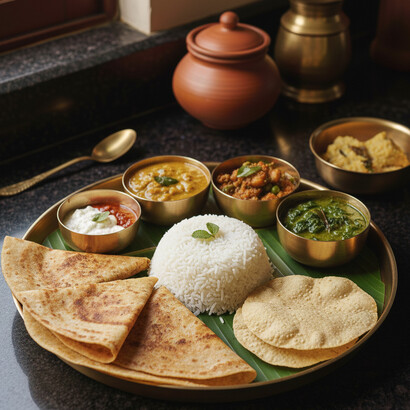
Roti or Puri served with vegetable curry.
Upma and Halwa made from semolina during fasting or light breakfast.
Meals are eaten sitting cross-legged on the floor, preferably after offering the first bite to the household deity or ancestors. Water is sipped slowly from a copper or brass vessel, maintaining ritual purity.
Festive and ritual foods
Festivals and religious ceremonies in Brahman culture involve special foods prepared with devotion. Each festival has its own significance and associated delicacies.
Dashain: the greatest Hindu festival of Nepal, Dashain, is celebrated with vegetarian feasts among orthodox Brahmans. Offerings of fruits, yogurt, and sweets are made to the goddess Durga. Some liberal Brahman families, however, consume goat meat during Dashain as a cultural adaptation.
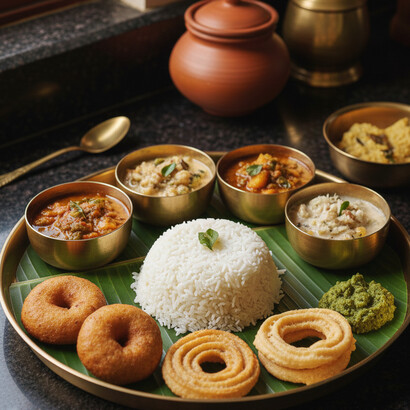
Tihar: during Tihar, also known as the festival of lights, food offerings include sel roti (sweet rice ring bread), anarasa (rice doughnut), and malpuwa (sweet fried pancakes). Cows and dogs are worshipped, and portions of food are offered to them as part of the rituals.
Janai Purnima: on this day, Brahmans renew their sacred thread (janai). Foods like kwati (a soup of nine sprouted beans) and chiura with curd are prepared. The feast is entirely vegetarian and shared with family and community.
Teej: celebrated by women for marital happiness and family welfare, Teej involves fasting followed by a feast of rice pudding, fruits, and light curries. The fasting meal, or dar, is taken the night before the fast.
Bratabandha and weddings
During sacred thread ceremonies and weddings, elaborate meals are served. The menu includes rice, dal, vegetable curry, fried bread, sweets like jalebi and laddu, and yogurt. Every dish must be pure and prepared without onion, garlic, or meat.
Food in these rituals is both symbolic and spiritual—each ingredient signifies purity, prosperity, or divine blessings.
Regional variations
Though united by religion, Brahman cuisine varies across Nepal depending on geography and climate.
Eastern Hills (Ilam, Dhankuta, Jhapa): cuisines here include plenty of green vegetables, mustard leaves, and fermented pickles. Rice and dal dominate, with regional additions like fermented soybean (kinema) incorporated in modern times.
Central Hills (Kathmandu, Nuwakot, Dhading): influences from Newari food traditions are noticeable, though Brahmans maintain vegetarianism. Dishes like aalu tama and bara have mild versions adapted without meat or garlic.
Western Hills (Pokhara, Syangja, Palpa): Roti made from wheat and millet is more common. Yogurt, ghee, and milk sweets are prepared regularly. Fresh seasonal fruits from local orchards are consumed as desserts.
Terai region (Chitwan, Rupandehi): here, Brahman food incorporates subtropical ingredients like papaya, cucumber, and pumpkin. Lentil fritters and spiced yogurt are common snacks. The cuisine reflects slight North Indian influence while retaining Nepali simplicity.
These variations show the adaptability of Brahman cuisine—maintaining core principles of purity while absorbing regional flavors.
Nutritional aspects and sustainability
Brahman cuisine aligns with the modern concept of a balanced, sustainable diet. It relies on plant-based foods, dairy, and natural fats, ensuring good nutrition without excessive dependence on animal products.
Nutritional value
Carbohydrates: rice, wheat, and maize provide sustained energy.
Proteins: lentils, beans, and milk products serve as rich vegetarian protein sources.
Vitamins & minerals: vegetables and fruits supply essential micronutrients.
Healthy fats: Ghee and mustard oil provide essential fatty acids.
Fiber: legumes and greens improve digestion and prevent metabolic diseases.
The limited use of spices, oils, and processed foods promotes digestive health. Moreover, fasting and moderation prevent overconsumption, keeping the body light and the mind alert.
Sustainability
Brahman food traditions emphasize minimal waste. Portions are measured carefully; leftovers are rarely reused. Seasonal and local produce reduces environmental impact. Homegrown vegetables and self-made dairy products maintain a small ecological footprint. Cooking over biofuel or wood and serving in metal or leaf plates reflects eco-friendly practices inherited from ancestors.
This model of sustainability, born from religious discipline, offers valuable lessons for modern societies facing health and environmental challenges.
Modern influence and challenges
The modernization of Nepal has brought significant changes to Brahman food culture. Urbanization, education, and exposure to global cuisines have diversified dietary preferences among younger generations. Today, many Brahmans eat eggs, chicken, and even meat occasionally—a departure from orthodox vegetarianism. Fast food, packaged snacks, and refined products have replaced traditional home-cooked meals in cities.
The ritual purity once associated with food is gradually fading, replaced by convenience and lifestyle choices. The younger generation often views old customs as restrictive. Moreover, the time-consuming nature of traditional cooking and the decline in joint-family systems have reduced the practice of elaborate vegetarian meals.
However, there is also a revival trend. With growing awareness of vegetarianism, veganism, and healthy eating, many urban Brahmans are rediscovering the value of their ancestral cuisine. Dishes like dal-bhat-tarkari, sel roti, and ghee-based sweets are being reintroduced in restaurants and cultural festivals. The use of organic ingredients, local produce, and sattvic principles is gaining appreciation even among non-Brahman communities.
Efforts to document and teach traditional recipes through culinary education, family cookbooks, and online platforms can play a vital role in preserving this heritage for future generations.
Conclusion
Brahman cuisine of Nepal is more than a dietary tradition; it is a way of life that harmonizes faith, health, and environment. Rooted in Vedic philosophy, it teaches that food should nourish both the body and the soul. Every meal—from the simplest dal-bhat to the most elaborate festival platter—embodies discipline, gratitude, and reverence for life.
While modernization has introduced new influences, the essence of Brahman cuisine endures in its emphasis on purity, balance, and sustainability. Its vegetarian base, minimalism, and mindfulness align remarkably with global trends in health-conscious living.
Preserving this culinary heritage means safeguarding a system of ethical and sustainable eating that connects humans to nature and the divine. As Nepal continues to evolve, Brahman cuisine stands as a timeless reminder that the purest flavors come not from extravagance, but from simplicity, sincerity, and devotion.