English
 Español
 Français
 Deutsch
 Italiano
 Português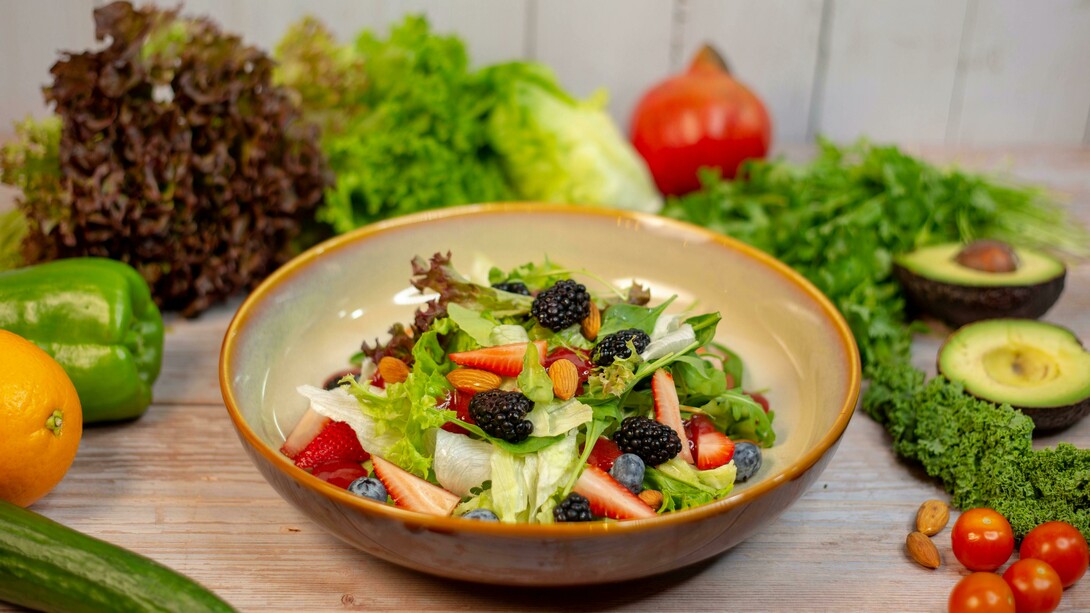
Plant-based eating has taken the world by storm. From celebrity endorsements to environmental campaigns, veganism is often portrayed as the ultimate path to health, compassion, and sustainability. Indeed, countless studies highlight the benefits of a plant-based lifestyle, lower cholesterol, reduced risk of heart disease, and even a lighter carbon footprint (Wang et al., 2023). But as the vegan movement grows, so does a less discussed reality: not all plant-based diets are created equal.
When poorly planned, a vegan diet can do more harm than good. Behind the glow of green smoothies and tofu stir-fries, nutritional pitfalls lurk—deficiencies that can sap your energy, weaken your bones, and even affect brain health. So, let’s peel back the layers of the plant-based paradox and explore what happens when vegan diets backfire and how to prevent it.
The rise of veganism
Over the last decade, veganism has evolved from a niche trend to a mainstream lifestyle. The reasons vary, animal welfare, environmental concerns, or a quest for better health (Viroli et al., 2023). Supermarkets now brim with meat alternatives and dairy-free milks, making veganism more accessible than ever.
However, convenience doesn’t equal nutrition. Many new vegans assume that simply cutting out meat and dairy guarantees health. But the truth is, a diet filled with processed plant-based snacks, faux meats, and sugary alternatives can lead to imbalances, particularly when key nutrients are overlooked (Craig, 2021).
When good intentions go wrong
A vegan diet excludes all animal-derived foods—no meat, fish, dairy, eggs, or honey. This can be incredibly healthy when done thoughtfully, emphasizing whole foods like legumes, nuts, seeds, fruits, and vegetables. Yet without proper planning, it can also leave dangerous nutritional gaps.
Let’s unpack the most common deficiencies found in vegan diets and why they matter.
Vitamin B12: the brain’s lifeline
Vitamin B12 is essential for nerve function, DNA synthesis, and red blood cell formation. It’s naturally found in animal products, not plants. Without supplementation or fortified foods, vegans can quickly become deficient. Symptoms often appear slowly but can include fatigue, brain fog, and even irreversible neurological damage (Malhotra et al., 2023).
Pro tip: opt for B12-fortified plant milks or supplements. Even a small weekly dose can make a big difference.
Iron: energy and immunity
Plants provide non-heme iron, which isn’t absorbed as efficiently as the heme iron in meat. Low iron can lead to anemia, leaving you tired and pale. To boost absorption, pair iron-rich foods like lentils or spinach with vitamin C sources such as citrus or bell peppers (Neufingerl et al., 2021).
Calcium: the bone builder
Dairy is the traditional go-to for calcium, but vegans must look elsewhere. Fortified plant milks, tofu, almonds, and kale are great options. Without enough calcium, bones weaken, raising the risk of fractures and osteoporosis (Łuszczki et al., 2023).
Vitamin D: the sunshine nutrient
Vitamin D helps the body absorb calcium and supports immune function. But it’s tough to get from food alone, especially in places with little sunlight. Many vegans fall short, which can affect bone and muscle strength (NHS, n.d.). Fortified foods or supplements are essential, particularly during the winter months.
Omega-3 fatty acids: for heart and brain health
Omega-3s (EPA and DHA) are key to heart and brain health, yet they’re mainly found in fish. While plant sources like chia seeds and flaxseeds contain ALA (a precursor to EPA and DHA), conversion rates in humans are low. This can impact cognitive function over time (Tso et al., 2021).
Solution: algae-based supplements provide a vegan-friendly source of DHA and EPA, just like the ones fish get from eating algae in the first place.
Zinc: the immunity mineral
Zinc supports immune health, wound healing, and DNA repair. Unfortunately, plant-based sources like beans and grains contain phytates, which reduce zinc absorption. Regularly eating nuts, seeds, and whole grains can help, but supplementation may sometimes be necessary (Key et al., 2021).
When deficiencies take a toll
When these nutrients are missing, the effects can sneak up slowly but significantly. Fatigue, hair loss, brittle nails, and frequent illness are common warning signs. Long-term deficiencies can cause more serious issues:
Anemia from low iron or B12 leads to persistent tiredness and weakness.
Bone loss and osteoporosis result from inadequate calcium and vitamin D.
Neurological issues, such as memory lapses or tingling sensations, can stem from B12 deficiency (Clemente-Suárez et al., 2025).
Weakened immunity due to low zinc or omega-3 intake leaves the body more vulnerable to infections.
These risks don’t mean veganism is unhealthy, they simply highlight the importance of informed choices.
Building a smarter plant-based plate
The good news? Every deficiency mentioned above can be prevented with awareness and a balanced approach. Here’s how to thrive on plants, not just survive on them.
Embrace variety: mix whole grains, legumes, nuts, seeds, and colorful vegetables daily. Each plant food contributes unique nutrients and phytochemicals that support health.
Fortified foods are your friends: look for B12-, D-, and calcium-fortified plant milks, cereals, and nutritional yeast. These products bridge the nutrient gap without relying on animal sources.
Supplement wisely: a daily B12 supplement is non-negotiable for most vegans. Depending on your diet and location, consider adding vitamin D and omega-3 (from algae) as well (Craig, 2021).
Mindful pairing: combine vitamin C-rich foods with iron sources, and avoid drinking tea or coffee with meals since tannins can hinder iron absorption.
Check in with your body: regular blood tests can help track nutrient levels. If fatigue, dizziness, or numbness persist, consult a dietitian or healthcare provider.
A balanced perspective
Veganism isn’t a “one-size-fits-all” solution. For some, it brings renewed vitality and health. For others, it may require more planning and professional guidance. What’s clear is that the quality of a vegan diet matters far more than the label itself (Wang et al., 2023).
By prioritizing whole foods, fortification, and supplementation, a plant-based diet can absolutely meet, and even exceed, nutritional needs. It’s not about abandoning veganism butut about approaching it intelligently.
Conclusion
The plant-based paradox lies not in the diet itself but in its execution. A well-planned vegan diet can protect against disease, lower inflammation, and promote longevity. A poorly planned one, however, can leave the body starved of vital nutrients.
So, if you’re embracing a vegan lifestyle, do it with curiosity and care. Learn what your body needs, nourish it wisely, and remember: being plant-based isn’t just about what you cut out, it’s about what you consciously put in.
References
Craig, W. J. (2021). The safe and effective use of plant-based diets. Nutrients, 13(9), 3433.
Clemente-Suárez, V. J., et al. (2025). Impact of vegan and vegetarian diets on neurological health. Frontiers in Nutrition, 12, 11901473.
Key, T. J., et al. (2021). Plant-based diets and long-term health: Findings from the EPIC-Oxford Study. The American Journal of Clinical Nutrition, 114(5), 1789–1799.
Łuszczki, E., et al. (2023). Vegan diet: Nutritional components, implementation, and health implications. Nutrients, 15(4), 1004.
Malhotra, A., et al. (2023). Analytical review on nutritional deficiencies in vegan diets. Clinical Nutrition Research, 12(2), 78–90.
NHS. (n.d.). The vegan diet.
Neufingerl, N., et al. (2021). Nutrient intake and status in adults consuming plant-based diets. Nutrients, 13(5), 1616.
Tso, R., et al. (2021). Nutritional impact and potential pitfalls of switching from animal-based to plant-based diets. Frontiers in Nutrition, 8, 739009.
Viroli, G., et al. (2023). Exploring the benefits and barriers of plant-based diets. Frontiers in Psychology, 14, 10675717.
Wang, T., et al. (2023). Vegetarian and vegan diets: Benefits and drawbacks. Frontiers in Nutrition, 10, 10516628.