English
 Español
 Français
 Deutsch
 Italiano
 Português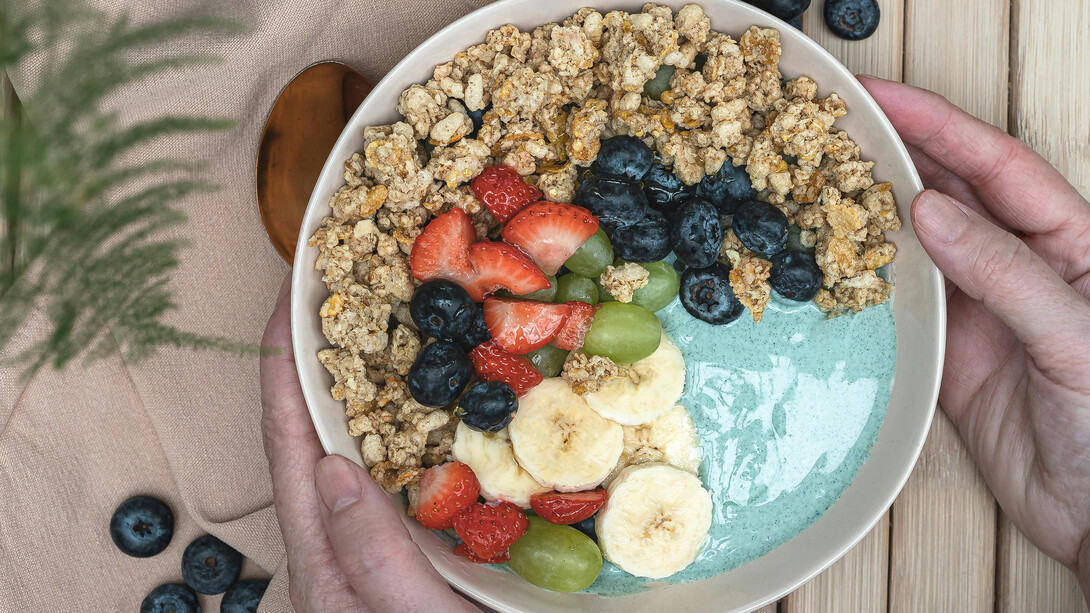
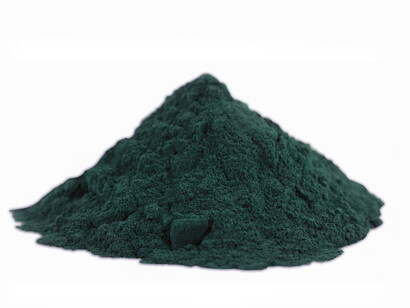
In the world of health and wellness, few foods have gained as much attention in recent years as spirulina. Often praised as a “superfood,” spirulina is a type of blue-green algae that has been consumed for centuries but has only recently become popular in Western markets. Promoted as a nutrient powerhouse with benefits ranging from improved energy to disease prevention, spirulina is available in powders, tablets, and capsules, often added to smoothies or marketed as a daily supplement. But the key question remains: is spirulina truly as good as it is advertised, or has the hype outpaced the science?
Spirulina’s reputation largely stems from its impressive nutrient profile. It is a complete protein source, meaning it provides all essential amino acids, and it is particularly rich in protein compared to most plant foods. Gram for gram, spirulina contains more protein than many meats and legumes. It also provides vitamins such as B1 (thiamine), B2 (riboflavin), and B3 (niacin), as well as essential minerals like iron, magnesium, and potassium. One of its most distinctive components is phycocyanin, a pigment that gives spirulina its vibrant blue-green color and is believed to have antioxidant and anti-inflammatory properties. For individuals seeking plant-based nutrition, especially vegetarians or vegans, spirulina can be an attractive supplement.
Beyond its nutrient density, spirulina has been studied for a variety of health benefits. Some research suggests it may support immune function, improve cholesterol profiles by lowering LDL and raising HDL, and reduce blood pressure. There is also evidence that spirulina may help manage allergic rhinitis, reducing symptoms such as nasal congestion and itching. Its antioxidant properties have drawn interest for their potential role in protecting against oxidative stress, which is linked to chronic diseases. In populations with iron deficiency anemia, spirulina has been shown to improve hemoglobin levels, making it a possible supportive food in specific cases.
However, while these findings are encouraging, it is important to place them in context. Most studies on spirulina are small in scale, and many are conducted in animals rather than humans. The positive results do not necessarily translate to universal or dramatic health improvements. For example, although spirulina is sometimes advertised as a cure for fatigue or a powerful detoxifier, scientific evidence for these claims is weak or lacking. Similarly, while its antioxidant effects are real, they are not unique; many fruits, vegetables, and herbs provide comparable or even stronger antioxidant benefits.
Another consideration is the practicality of spirulina consumption. Though nutrient-dense, spirulina is usually consumed in small amounts, often a few grams per day. At such doses, it cannot realistically replace balanced meals or serve as a primary source of nutrition. For someone with a generally healthy diet rich in whole foods, the additional nutrients from spirulina may not make a significant difference. Its greatest utility may be in situations where access to diverse foods is limited or where supplemental iron and protein are needed in a compact form.
Spirulina’s safety is also an important aspect. Generally, it is considered safe for most people when sourced from reputable producers. However, because spirulina is a type of algae, contamination is a risk. Poorly controlled cultivation can lead to spirulina products containing harmful toxins, heavy metals, or bacteria. This is why quality assurance and trusted brands are crucial when purchasing spirulina supplements. For people with autoimmune diseases or phenylketonuria (PKU), spirulina may pose risks, and it should be avoided without medical supervision.
The marketing of spirulina as a “miracle” food also deserves scrutiny. While it is indeed highly nutritious, it does not live up to the more dramatic claims made in advertising. It is not a magic solution for weight loss, cancer prevention, or detoxification. No single food, however nutrient-rich, can single-handedly provide perfect health or compensate for a poor diet. The broader context of lifestyle, balanced nutrition, regular exercise, adequate sleep, and stress management remains far more influential in long-term health outcomes.
That said, dismissing spirulina as mere hype would also be unfair. Its nutrient concentration, potential health benefits, and sustainable cultivation make it a valuable addition to the food landscape. Spirulina grows efficiently in freshwater with relatively low environmental impact compared to traditional protein sources, making it appealing from a sustainability perspective. For people seeking plant-based supplements, particularly those with higher protein or iron needs, spirulina can be a useful option when incorporated sensibly.
In the end, spirulina is neither a miracle cure nor a meaningless fad. It is a nutrient-rich supplement that may support health in specific ways, but its benefits should be viewed realistically rather than exaggerated. For individuals who enjoy adding it to smoothies or appreciate its plant-based protein content, spirulina can certainly have a place in the diet. However, it should be seen as a complement to, not a substitute for, a varied and balanced diet. Like many “superfoods,” spirulina is most powerful not when elevated to mythical status, but when integrated thoughtfully into an overall healthy lifestyle.