English
 Español
 Français
 Deutsch
 Italiano
 Português
When I first heard about dessert wine, I honestly thought it was just something really sweet that people only drink at fancy dinners. It didn’t sound that interesting to me, and I kind of assumed it would be too sugary to enjoy. But after learning more about it, I realised that dessert wine is actually a lot more complex and varied than I expected.
The main thing that makes dessert wine different is the sugar. In most wines, the sugar from the grapes gets turned into alcohol during fermentation. But in dessert wines, some of that sugar is left behind. At first, I thought that would make them heavy or unpleasant, but that’s not really the case. The better ones are balanced, so even though they are sweet, they still taste fresh.
There are different ways dessert wines are made, and I found that quite interesting because each method creates a different kind of flavour.
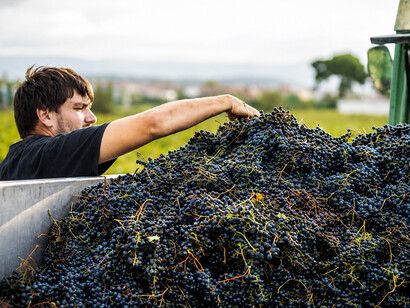
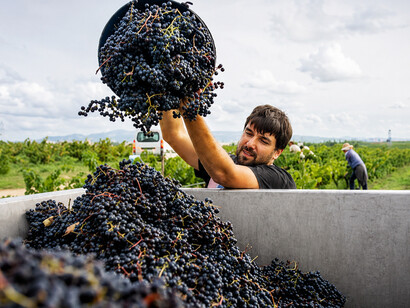
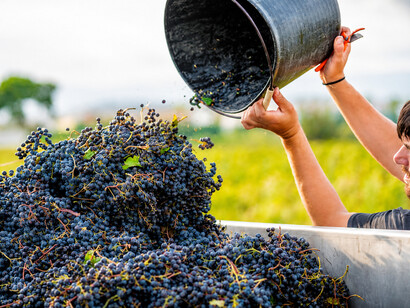
One method is called late harvesting. This is when grapes are left on the vine longer so they become riper and sweeter. I think this is probably the easiest type to understand, because it’s just about letting nature take its course. Wines made this way often taste fruity, like peaches or apricots, and they don’t seem as intense as other dessert wines.
Another method I learnt about is something called noble rot. At first, I thought it sounded really strange, because it’s actually a fungus that grows on the grapes. But instead of ruining them, it makes them sweeter and more concentrated. Wines made this way can taste like honey or marmalade, which I found surprising. It made me realise how unusual winemaking can be.
There’s also ice wine, which I think is one of the most interesting types. The grapes are left outside until they freeze, and then they are pressed while still frozen. This leaves behind most of the water and keeps the sugar. Even though the wine is very sweet, it also has a strong acidity, so it doesn’t feel too heavy. I like the idea that something so dependent on weather conditions can create such a unique result.
Fortified dessert wines are a bit different. In this case, a spirit is added during fermentation to stop the process early. This keeps the sugar in the wine and also increases the alcohol content. These wines tend to have deeper flavours, like caramel or nuts. To me, they sound like something you would drink slowly rather than casually.
One thing that stood out to me is how important balance is in dessert wine. Before, I thought sweetness was the only thing that mattered, but now I understand that acidity is just as important. Without it, the wine would probably taste flat and too sugary. With it, the wine feels more refreshing.
I also used to think dessert wine was only meant to be drunk with desserts, but that’s not completely true. It does pair well with sweet foods, especially if the wine is just as sweet as the dessert. But it can also work with savoury food. For example, blue cheese is often paired with sweet wine. At first that sounds like a strange combination, but the contrast between salty and sweet actually makes sense.
Another thing I didn’t think about before is how dessert wine should be served. You usually don’t drink a full glass, just a smaller amount, because it’s more concentrated. Also, some types are better chilled, while others are better closer to room temperature. These details seem small, but they can make a difference.
In the past, dessert wines were seen as quite luxurious, especially in Europe. They were harder to make and often produced in small quantities. Because of that, they were more expensive and associated with special occasions. I think that’s part of why people still see them as something unusual.
Even though they used to be popular, dessert wines aren’t as common now. A lot of people prefer dry wines, and sweet wines sometimes have a reputation for being less serious. But I think that’s changing, because more people are starting to try different types and realise there’s more variety than they expected.
Something I found interesting is that dessert wines can age really well. Because of the sugar and acidity, they can last for a long time and develop new flavours over the years. This makes them different from many other wines.
Overall, my opinion of dessert wine has definitely changed. I used to think it was just overly sweet and not very interesting, but now I see that there’s a lot more to it. There are different methods, flavours, and traditions behind it. I think it’s something worth trying, even if you’re not usually a fan of sweet drinks.
In the end, dessert wine isn’t just about sweetness. It’s about balance and how the wine is made. When it’s done properly, it can be just as interesting and enjoyable as any other type of wine.